
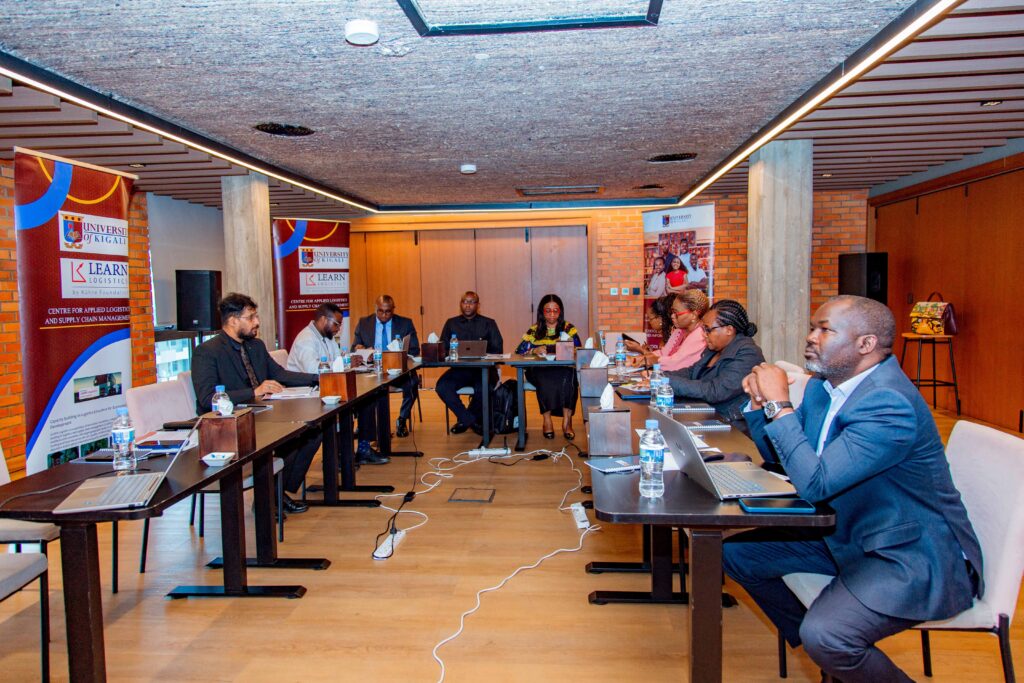
The University of Kigali (UoK), through its Centre for Applied Logistics and Supply Chain Management (CALSCM) and the School of Business Management and Economics, has concluded a two-day workshop aimed at strengthening the capacity of Logistics and Supply Chain Management (LSCM) academic staff in emerging technologies, digital logistics, and sustainability practices. In fact, the University of Kigali Strengthens LSCM Education Through Emerging Technologies and Sustainability Workshop for LSCM Faculty, reflecting its ongoing commitment to innovation and faculty development. The workshop was sponsored by LEARN Logistics by Kuehne Foundation and held at Zaria Court from September 2–3, 2026. It was facilitated by Pierre Kayitana, Country Director of Zipline Rwanda Ltd., and Fred Gashumba, Managing Director of DHL Express Rwanda.
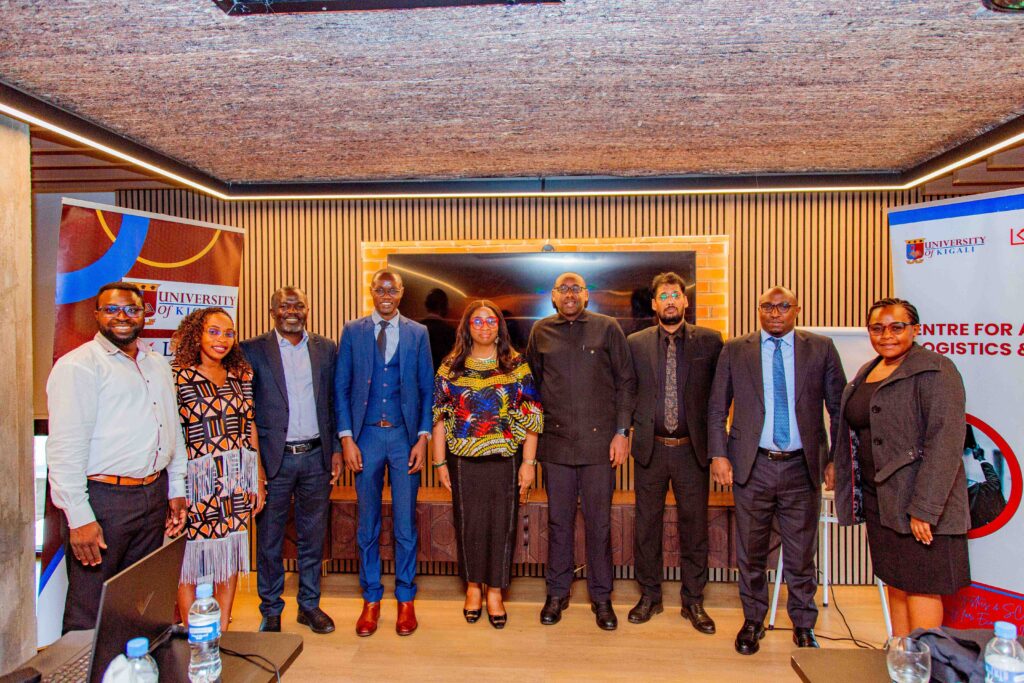
Senior Management representatives from the University of Kigali included Prof. Ogechi Adeola, Deputy Vice Chancellor, Research, Innovation and Enterprise; Dr. Ronald Kwena, Associate Deputy Vice Chancellor, Research, Innovation and Enterprise and Director of the Centre for Applied Logistics and Supply Chain Management; and Prof. Styandendra Singh, Dean of the School of Business, Management and Economics.
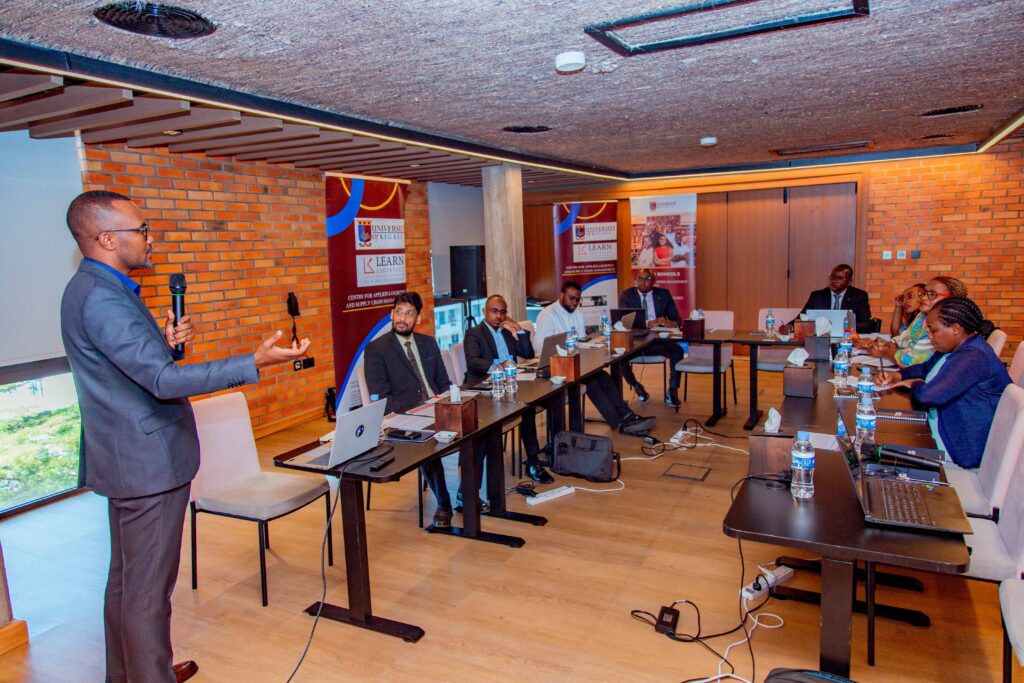
The workshop brought together LSCM academic staff for an intensive programme combining industry insights, technical presentations, practical demonstrations and hands-on application of logistics technology and sustainability assessment tools. The initiative was designed to strengthen the integration of current industry practices, emerging technologies and sustainability requirements into teaching, research and curriculum development at the University of Kigali. In summary, University of Kigali Strengthens LSCM Education Through Emerging Technologies and Sustainability Workshop for LSCM Faculty is demonstrated by these activities.
A major highlight of the first day was an industry briefing and practical demonstration on drone technology and the future of logistics, facilitated by Pierre Kayitana, Country Director of Zipline Rwanda Ltd. The session explored the growing application of drones and Artificial Intelligence prediction in logistics, with particular emphasis on the distribution of medical supplies. Participants were introduced to the operational model behind drone-enabled distribution, including order fulfilment, inventory positioning, dispatch, flight planning and last-mile delivery.
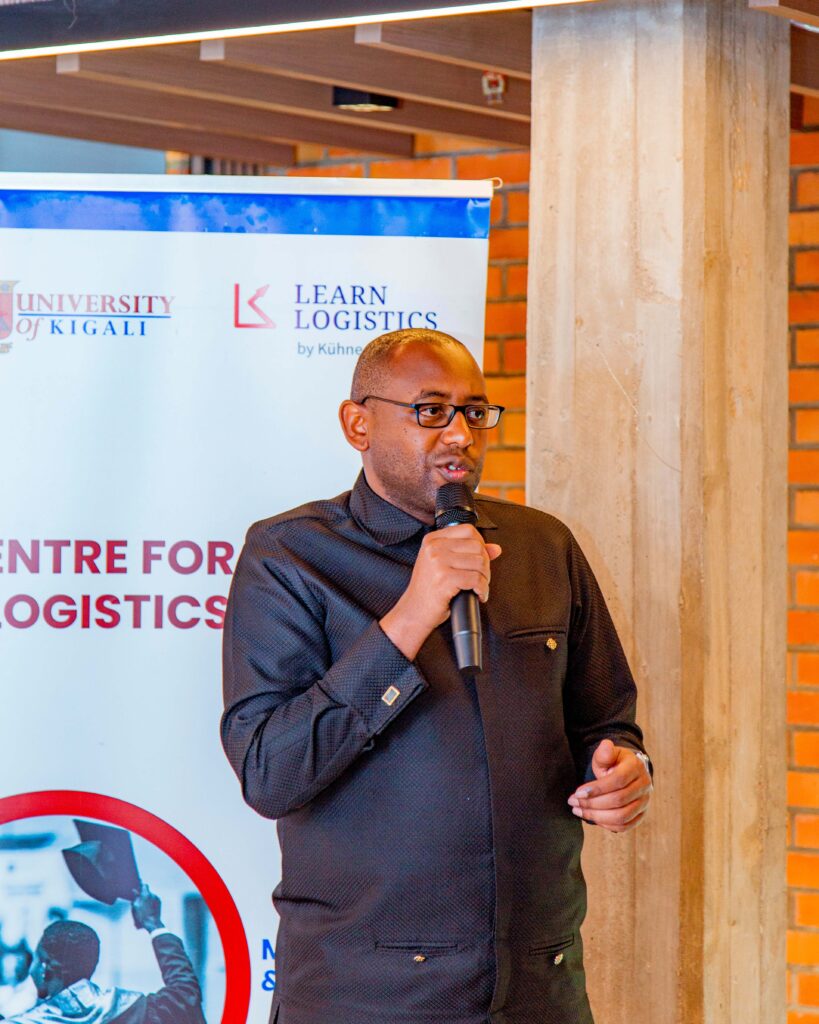
The Zipline demonstration provided academic staff with an opportunity to connect theoretical LSCM concepts with an operational logistics environment. Discussions subsequently focused on the implications of drone technology for LSCM education, research and curriculum development. The practical exposure highlighted the increasing need for LSCM graduates to understand not only conventional logistics operations but also emerging technologies that are reshaping inventory management, distribution, order fulfilment and last-mile delivery. In essence, University of Kigali Strengthens LSCM Education Through Emerging Technologies and Sustainability Workshop for LSCM Faculty was the foundation of these discussions.
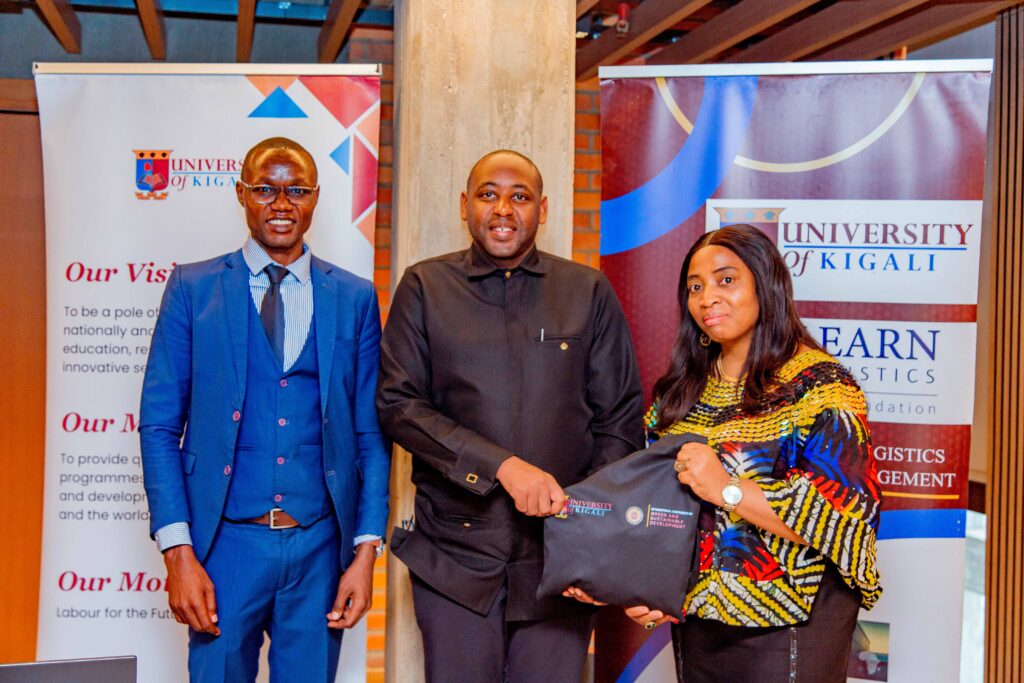
The second day shifted attention to the transition towards low-carbon logistics, featuring an industry keynote by Fred Gashumba, Managing Director of DHL Express Rwanda. The session examined the increasing importance of carbon-emission requirements within logistics and supply chains, including regulatory, customer and supply-chain pressures affecting logistics companies. Participants were also introduced to DHL Express Rwanda’s approach to carbon-emission management, covering measurement, reduction, reporting and operational practices.
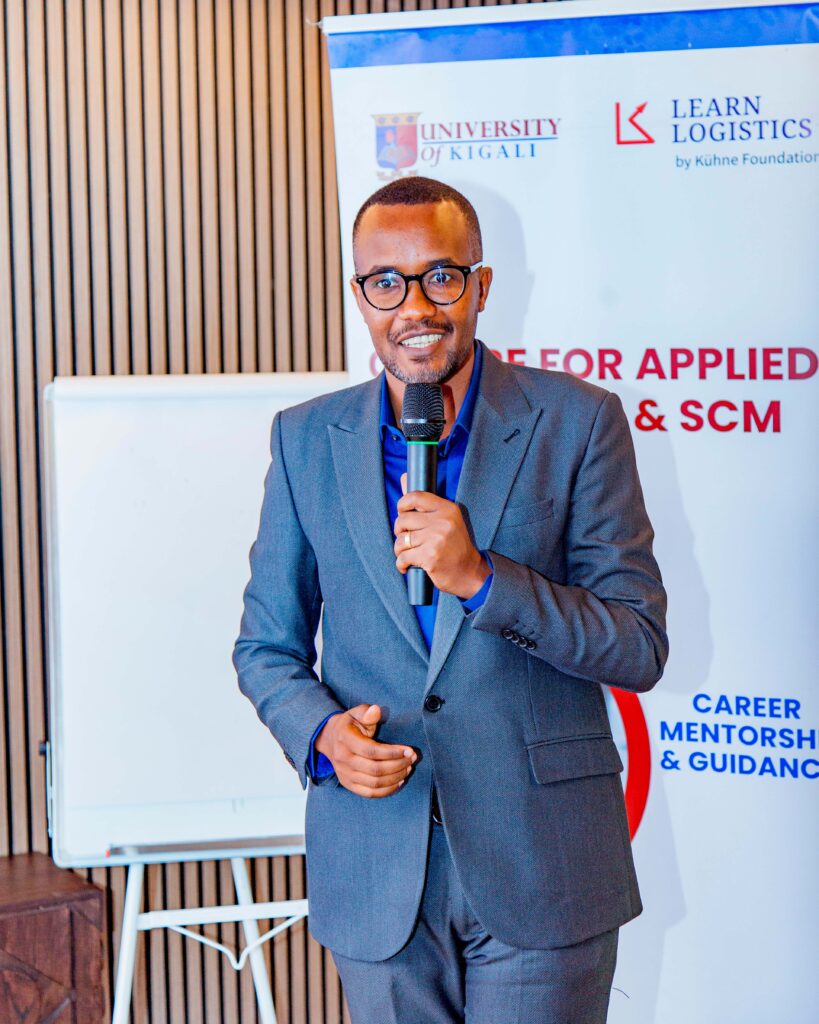
An interactive session on Green Logistics in Practice further explored fleet management, route optimization, energy efficiency, packaging and sustainable facilities. One of the central messages emerging from the workshop was the importance of closer collaboration between universities and industry in preparing graduates for a rapidly changing logistics environment. The discussions demonstrated that emerging technologies and sustainability are no longer peripheral issues for LSCM education. They are increasingly becoming essential components of professional competence. Moreover, University of Kigali Strengthens LSCM Education Through Emerging Technologies and Sustainability Workshop for LSCM Faculty confirms this strategic direction.
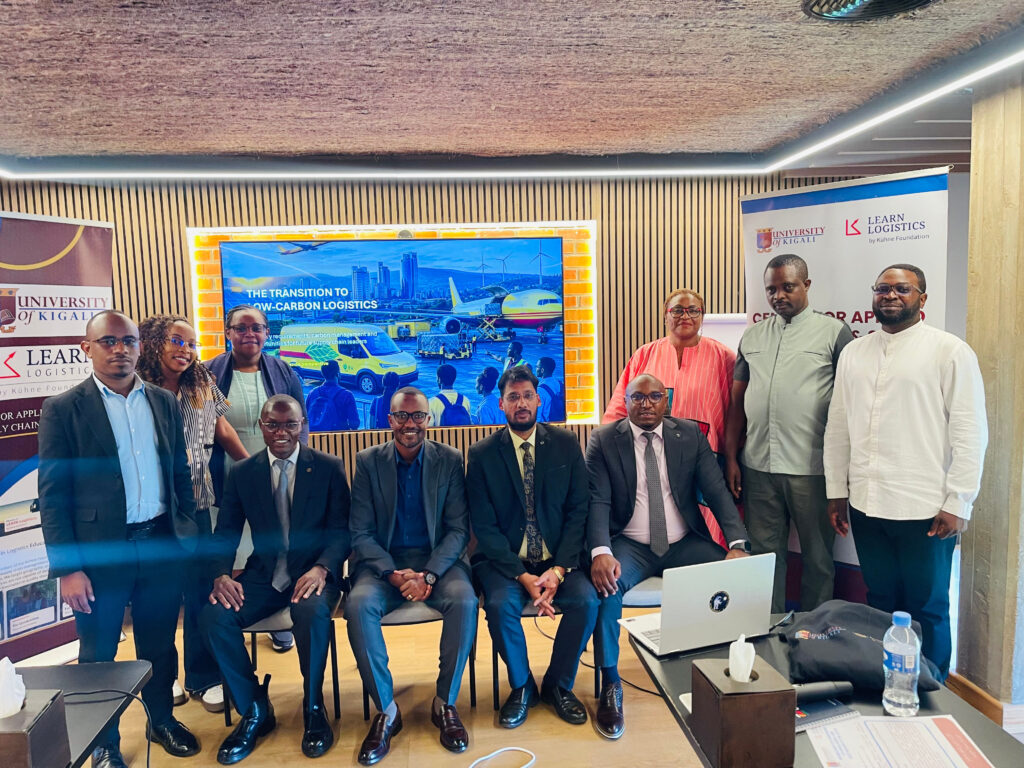
As an aftermath of another workshop where two University of Kigali Staff participated in Participated in Sustainable Logistics Training of Trainers Workshop organized by LEARN Logistics by Kuhne Foundation and Kuhne Climate Centre in Addis Ababa University, Ethiopia; the participants interacted with key tools for analyzing decisions in Supply Chain Management cascaded from the Sustainable Logistics Training of Trainers Workshop. A practical session led by Dr Ronald Kwena and supported by Professor Temidayo Akenroye of the University of Missouri, St. Louis led participants through the PrioScope Application, focusing on logistics sustainability assessment and decision-making and SustiLog Application and the use of sustainability indicators and tools in logistics and supply chain operations.
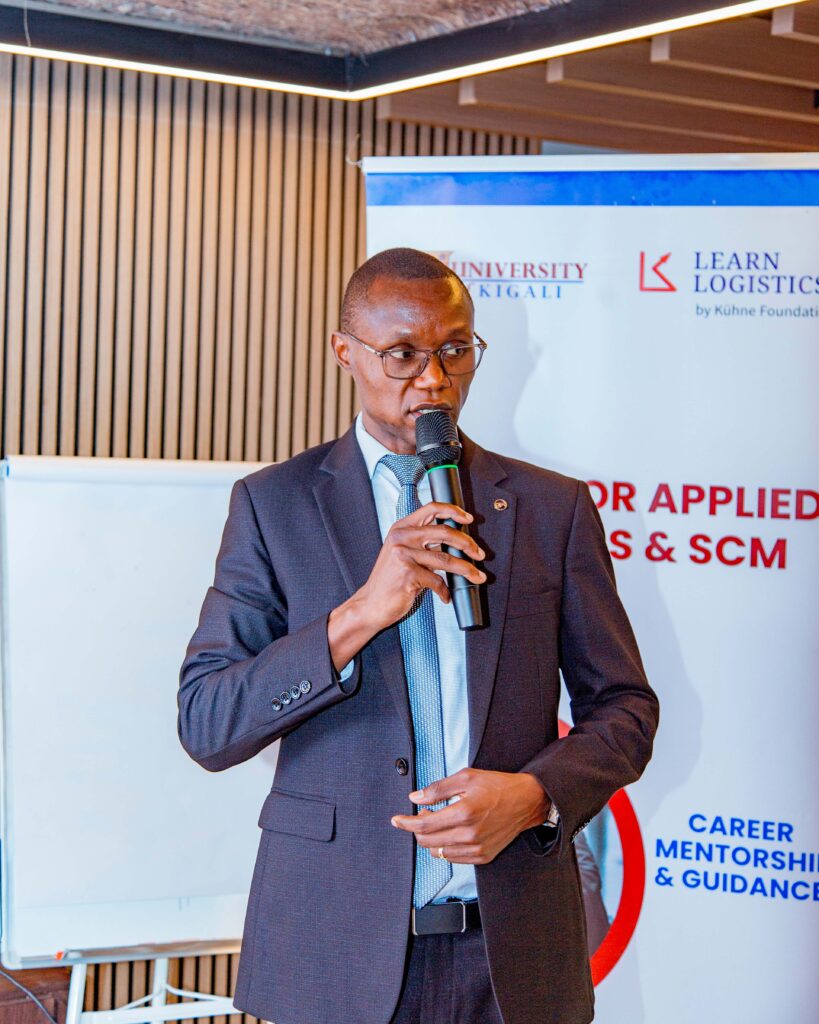
The hands-on approach enabled participants to move beyond conceptual discussions and consider how sustainability can be assessed and incorporated into logistics decision-making. This practical orientation is particularly relevant to the University’s ambition to ensure that LSCM education responds to the evolving needs of industry while equipping students with skills that can be applied in real operational settings.
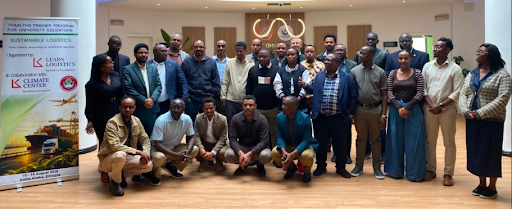
The workshop comes at an important time for CALSCM as it continues to strengthen the University's contribution to logistics and supply chain education, research and industry engagement. The lessons from the two days will contribute to ongoing efforts to modernise LSCM teaching and learning at the University of Kigali, with greater emphasis on emerging technologies, sustainability, experiential learning and industry-informed curricula. Notably, University of Kigali Strengthens LSCM Education Through Emerging Technologies and Sustainability Workshop for LSCM Faculty by encouraging such progressive educational methods.
The workshop also reinforced the value of exposing academic staff directly to operational innovations and industry expectations. Such engagement can help ensure that what is taught in the classroom remains relevant to the technologies, practices and sustainability challenges graduates will encounter in the workplace.
As the global logistics sector moves towards increasingly digital, automated and low-carbon supply chains, institutions of higher learning have a critical role to play in preparing the next generation of logistics professionals.