UoK’s Prof. Adeola Champions African Women Fighting Climate Change

African women are key to fighting climate change – these are the green skills they will need Ogechi Adeola, University of Kigali; Innocent Ngare, Kenyatta University, and Olaniyi Evans, Pan Atlantic University Women are an important and often underutilised human resource in Africa. They’ve faced many problems historically. Limited access to land, finance, education and decision-making platforms have meant that women across Africa haven’t been able to take part fully in the green economy. A green economy is one that enhances well-being and social equity while reducing environmental risks. It demands that people use fewer resources to create more. With the world moving towards renewable energy and finding ways to adapt to climate change, new sectors of work are opening up. With access to green skills, women’s productivity in the green economy could triple. This is especially the case in agriculture, energy, manufacturing and processing. For example, farmers might learn climate-smart agriculture techniques, such as drip irrigation or cultivating drought-resistant crops, while technicians could be trained to install and maintain solar panels. These are practical forms of reskilling (updating people’s abilities to match emerging green jobs). Global green upskilling and reskilling efforts, such as the Green Jobs for Youth Pact, often prioritise young people in formal employment. But in Africa, women are not only among the most affected by climate change, they are also key to delivering solutions. From agriculture to water collection and household energy use, women lead in finding innovative ways to cope with climate change. Many African women already apply traditional practices that care for the environment. Women are also more likely to adopt sustainable practices and influence community-level adaptation. However, to keep pace with evolving climate challenges, they must also be equipped with modern, tech-enabled skills. This is so that green reskilling preserves local knowledge, and enhances it with new tools and techniques. We are specialists in gender, climate change, sustainable development, and economics. We research how Africa’s growth can be advanced through combining gender equality, climate action, digital finance and technological innovation. Our latest book builds on this vision by exploring strategies to drive sustainable development across Africa. Chapter 9: Green Reskilling of African Women for Climate Action focuses on green and gender-inclusive skills, as well as digital green skills, that are essential for women to thrive in the continent’s climate transition. For women to get these green skills, governments and development partners must design inclusive programmes that prioritise gender equity, particularly for rural, disabled and marginalised women. Policymakers must make green reskilling part of national climate strategies, education reforms and employment plans. This is the only way to create a just transition that does not leave women behind. Women should not only be beneficiaries of climate solutions but also active co-creators and leaders in shaping them. Green and gender-inclusive skills This is the first set of green skills that African women need to be equipped with. These skills include: Natural asset management skills. The ability to identify, assess, and conserve resources such as forests, water bodies and soil. These are found in jobs that aim to balance the environment into the future, even as the climate gets hotter. Low-carbon industry support skills. These are skills needed to work in lowering greenhouse gas emissions. These include renewable energy, reducing the environmental impact of shipping and transport, and sustainable manufacturing. Climate-resilient skills. Skills that help communities adapt to climate change. Growing drought-resistant crops or building infrastructure that can withstand floods are examples. Resource-efficient skills. The ability to use natural resources wisely, reducing waste and cost. Some examples are recycling, water-saving, or sustainable packaging. Green digital skills This is the second set of vital green skills that women in Africa need: Green digital and marketing skills. The ability to use digital platforms to market and promote eco-friendly products and services. Digital green monitoring and inspection skills. Using technologies like sensors and data analytics to track environmental changes and monitor whether climate policies are being followed. Digital green agricultural skills. These are needed for farming, such as weather apps, precision agriculture, and advice from agriculture specialists that can be accessed online or by phone. These reduce farmers’ risk of suffering climate damage and increase their crop yields. Digital green communication skills. The use of digital media to raise environmental awareness, influence behaviour, and advocate for climate policies. Digital green design skills. The ability to create digital tools, such as apps and smart systems, that support sustainability and green innovation. Green mobile technological skills. These are jobs in mobile technologies that promote energy efficiency, reduce waste, or support climate resilience. What needs to happen next To make these skills more accessible, African countries must invest in expanding green-focused technical and vocational education and training programmes. Informal learning pathways that are used by women in rural or marginalised communities must also get access to green skills training. These changes are needed: Gender-responsive policies – to ensure women are not left behind in national climate strategies. Many African countries have adopted gender-sensitive climate policies and national adaptation plans. But these are not always implemented due to limited funding, weak institutional frameworks, and poor coordination. Investments in green education and training – new and inclusive training models are needed. These should combine digital access, local language delivery, and practical, community-based learning. Access to finance, technology, and markets – this will help women turn green skills into viable businesses and create jobs. Partnerships among governments, civil society, academia, and the private sector – to ensure coordinated action, shared knowledge, and sustained support for women-led climate innovation. In Tanzania, for example, partnerships have helped make gender equality part of national climate strategies. When African women acquire green skills, this boosts the whole community’s resilience to climate change. It speeds up ways of adapting to climate change and also drives inclusive economic growth. Involving men in the journey toward gender equality is crucial. Changing social norms and promoting shared responsibility means entire communities will benefit. Ultimately, green reskilling is not just about training –
UoK Participates in NBU Conference
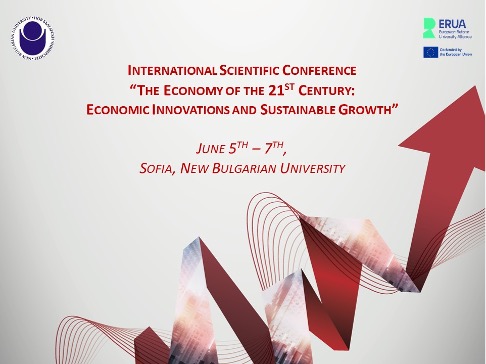
The University of Kigali virtually participated in the prestigious International Scientific Conference hosted by New Bulgarian University (NBU) under the theme “The Economy of the 21st Century: Economic Innovations and Sustainable Growth.” The conference brought together thought leaders, scholars, and researchers from across the globe to explore cutting-edge ideas and challenges shaping global economies, innovation ecosystems, and sustainable development agendas. Professor Eduard Marinov Opening the Conference Representing the University of Kigali at the heart of this knowledge exchange were distinguished academic staff members contributing both to the scientific planning and the scholarly discourse of the conference. Dr. Ronald Kwena was Appointed to Scientific Committee, the Associate Deputy Vice Chancellor, Research, Innovation and Enterprise at the University of Kigali, was selected as a member of the Scientific Committee of the NBU conference. His appointment to this important role highlights not only his recognized academic credentials but also the growing visibility of the University of Kigali in international research networks. Delegated during the conference Several members of University of Kigali academic staff presented their papers during the conference virtually (https://econconfnbu.wordpress.com/wp-content/uploads/2025/06/detailed_program-final.pdf) . The presentations sparked meaningful discussions. Participation in the NBU International Scientific Conference represents a significant milestone for the University of Kigali’s internationalization strategy. It reinforces the institution’s commitment to: Advancing scholarship in economic innovation, sustainability, and global policy, Building academic partnerships across borders, and Promoting African scholarly voices in global debates. As the global economy faces rapid transformation, the University of Kigali remains committed to contributing to research that informs policy, empowers innovation, and promotes sustainable futures. The insights shared and gathered at NBU will inform ongoing work within the University’s Department of Economics and Public Policy, as well as enrich student learning and research development programs. Scientific and Organizing Committee
UoK Shines in Poland
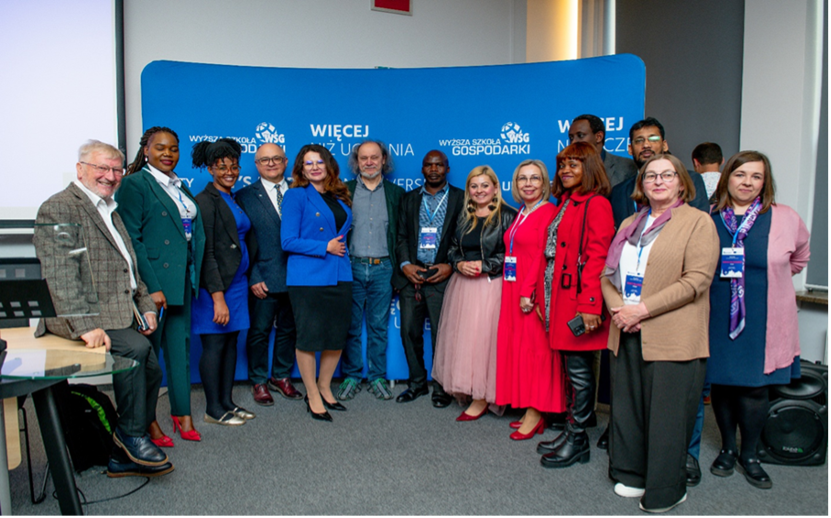
UoK Shines in Poland:From 12th–16th May 2025, our University proudly participated in Erasmus+ International Week hosted by WSG University in Bydgoszcz, Poland; a vibrant convergence of global institutions focused on advancing academic collaboration, innovation, and international visibility. This staff exchange plays a key role in UoK’s internationalisation journey, providing rich opportunities for joint teaching, research partnerships, and curriculum enhancement with institutions across Europe, Asia, and Africa. Highlights of the Exchange progarmmes: The week began with partner registration at Aula Maior, followed by a welcome address from the WSG University leadership, including the President, Rector, Vice-Rectors, and the Head of International Cooperation. The University of Kigali was represented by the Dean, School of Business Management and Economics, the Dean, School of Computing and Information Technology, and the Director of International Affairs and Partnership. The day’s keynote lecture on Artificial Intelligence for Science was delivered by Prof. Włodzisław Duch from Nicolaus Copernicus University in Toruń and was attended by WSG’s senior management, delegates from partner universities, and students. Institutional showcase: UoK Director of International Affairs and Partnership presented the University vision and key achievements alongside other leading universities from Lithuania, Ukraine, Kosovo, Zambia, and Kazakhstan; positioning Rwanda as a rising academic hub. Academic exchange in action- UoK Deans delivered impactful lectures on Artificial Intelligence in Supply Chains and International Business to WSG’s international student community; demonstrating our expertise in applied research and global business education. Curriculum development support- UoK secured a partnership with WSG’s engineering faculty to provide external peer review for academic programmes under development; ensuring alignment with international standards. Strengthening ties-The UoK team engaged with potential collaborators for joint academic programmes, including Nursing and Midwifery with Eden University (Zambia) and research partnerships with Kadri Zeka University (Kosovo). Industry-academia synergy-A powerful session with Atos-Poland highlighted how digital transformation; through AI, cloud computing, and cybersecurity, can be integrated into academic programmes. Cultural diplomacy-The exchange promoted meaningful bonds through guided city tours, museum visits, and gift exchange ceremony, which solidified mutual respect and institutional goodwill. The Staff Week formally concluded with a cultural dinner attended by WSG senior leadership and all visiting delegates. As the evening drew to a close, UoK team led a gift handover ceremony, presenting tokens of appreciation to the WSG University delegation. WSG Vice-Rectors and Head of International Cooperation commended UoK for its dedication to promoting mutually beneficial international partnerships, particularly in the domains of staff and student mobility, joint teaching, and digital transformation. What’s on the Horizon? The International Affairs and Partnership Office is working on: Formalising collaboration agreements with newly engaged institutions. Mobilising Erasmus+ funding to support future joint initiatives. Facilitating reciprocal staff and student exchanges. Possibility of supporting curriculum innovation through external expert contributions. Follow up on possibility of research collaboration At UoK, we believe that global partnerships fuel local excellence. Our engagement at WSG University is a testament to how international exposure and collaboration can transform academic communities; empowering both faculty and students to thrive on a global stage. UoK Shines in Poland
Global Partnerships in Action
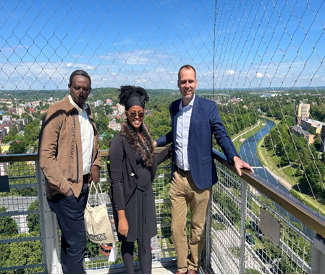
Global Partnerships in Action: From 19th–23rd May 2025, our University took a bold stride in its internationalisation agenda through a high-impact staff exchange visit to the University of Ostrava, Czech Republic, under the Erasmus+ International Credit Mobility Programme. Represented by the Dean, School of Computing and IT (SCIT) and the Director of International Affairs and Partnership, the UoK delegation engaged in a week of strategic collaboration, cultural exchange, and academic innovation. The team was welcomed by the Vice-Dean for Development and Internationalization. This was followed by a comprehensive campus tour led by the International Student Services Specialist for Exchange, offering insights into the University of Ostrava’s infrastructure and internationalisation strategy. Subsequent meetings included: A brief encounter with the Erasmus + Institutional Coordinator. A roundtable with the VIA Programme Head and other International Cooperation Officers; where possibilities for reciprocal student mobility was explored. Participation in the Workshop on European University Alliances, which highlighted innovative models for expanding multilateral academic partnerships. Highlights of the Visit: Laid groundwork for reciprocal student and staff mobility between UoK and the University of Ostrava. Possibility of PhD scholarships in emerging trends for SCIT faculty. Initiated talks on the possibility of collaborating on curriculum development Initiated the launch of a Collaborative Online International Learning (COIL) programme, hosted by UoK’s Centre for Modern Languages, promoting global virtual classrooms aligned with Sustainable Development Goals (SDGs). Reflected on the transformational experience of UoK students currently on exchange in Ostrava—highlighting personal growth, academic enrichment, and global exposure. Cultural bonds were deepened through a meaningful exchange of gifts and a heritage tour guided by the Vice-Dean for Development and Internationalization and UoK Director of international Affairs and partnership, symbolising mutual respect and a shared vision for long-term cooperation. What’s Next? The outcomes of this exchange go far beyond networking; they are already shaping tangible future actions: Strategic engagement with the VIA Programme to support sustained exchanges. Official rollout of the COIL programme in Q1 2026. Post-exchange evaluations to refine and scale impact across future mobility programmes. Global Partnerships in Action At the University of Kigali, global engagement is more than a goal—it’s a practice. This partnership with the University of Ostrava underscores how strategic collaboration transforms not only institutions, but also the students and faculty who lead the change.
Unity Club, UoK Urge ESSA to Embrace Ndi Umunyarwanda
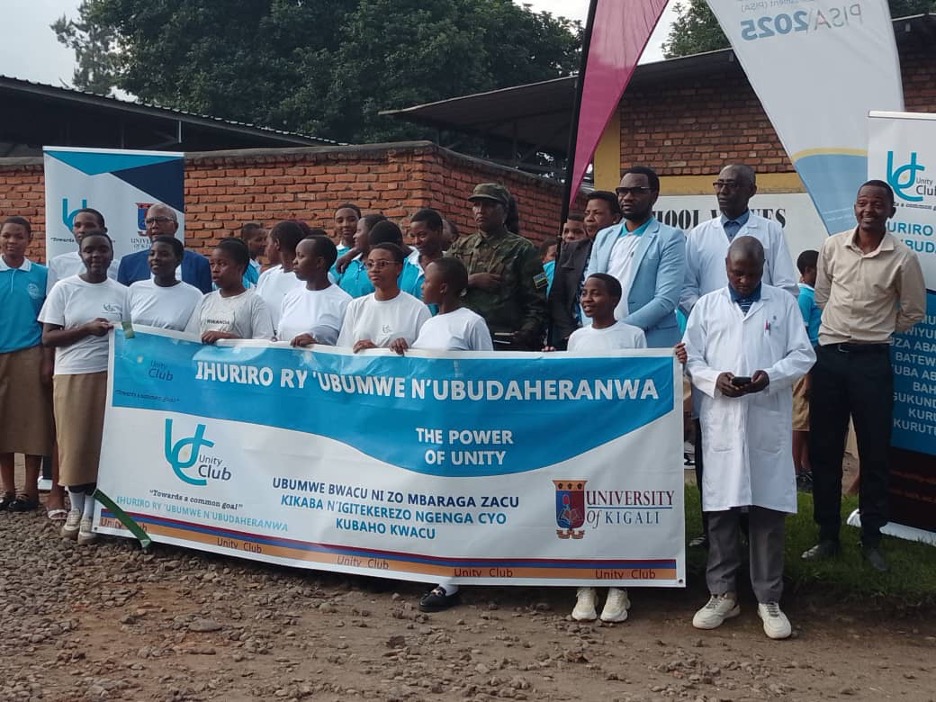
Unity Club, UoK Urge ESSA to Embrace Ndi Umunyarwanda: The Unity Club Intwararumuri delegation visited the University of Kigali – Musanze Campus on Wednesday, June 11, 2025, to conclude the fourth phase of the 2025 “Ndi Umunyarwanda” program at the college and university level. The event was held at ESSA Ruhengeri, one of the secondary schools supported by the UBUMWE N’UBUDAHERANWA Club based at the University of Kigali – Musanze Campus. The Principal of the University of Kigali – Musanze Campus expressed his heartfelt gratitude to H.E. President Paul Kagame and the First Lady for initiating the Unity Club and for their continued leadership in promoting sustainable solutions that foster national unity. He warmly welcomed the Unity Club delegation, appreciating their consistent support and presence. He also extended his thanks to the management of ESSA Ruhengeri for their collaboration, and to all participants—especially the students—for their active engagement in the discussions centered on the theme: “NDI UMUNYARWANDA: Igitekerezo-ngenga cy’ukubaho kwacu” (The Foundational Idea of Our Existence). Dr. Hakizimana Leopord, Principal of the University of Kigali – Musanze Campus, delivering his remarks. Unity Club, UoK Urge ESSA to Embrace Ndi Umunyarwanda During the event, Madame Sylvie Ingabire, a member of the Unity Club and guest of honor from the Unity Club Intwararumuri Secretariat, was joined by several dignitaries, including Lieutenant Colonel Viateur Kabengera from the Rwanda Defence Force Command and Staff College (RDFCSC). In her address, Madame Ingabire began by recounting the origins of the Unity Club: “Unity Club is an organization founded on February 28, 1996, by Her Excellency First Lady Jeannette Kagame. She brought together Cabinet members, former Cabinet members, and their spouses to cultivate a culture of unity and peace, which serves as the foundation for a country’s sustainable development.” She emphasized the role and significance of unity and resilience forums within universities and higher learning institutions, highlighting that students in these environments have a responsibility to be catalysts of unity and resilience, given their position as intellectual leaders of society. PIC: Sylvie Ingabire, a member of the Unity Club, addressing the audience. Members of Ihuriro ry’Ubumwe n’Ubudaheranwa from the University of Kigali – Musanze Campus presented a play titled “Ishyano Risiga Irindi”, which depicted how Rwandans, once united during precolonial times, were divided by colonial forces. The performance illustrated how colonial rule introduced social classifications that led Rwandans to see themselves as belonging to separate groups. Fueled by the propaganda of a divisive regime, Hutu militias were manipulated into believing that the Tutsi minority were not human, leading to tragic neighbor-on-neighbor violence during the 1994 Genocide against the Tutsi. Years after the genocide, Rwanda now stands as a nation of peace and unity. Under the leadership of President Paul Kagame, the government has dismantled ethnic divisions and promoted Ndi Umunyarwanda as a shared national identity. The play also portrayed reconciliation efforts, including how convicted genocide perpetrators and survivors now live side by side in Reconciliation Villages—testimonies to the power of forgiveness and unity. Pic: During the dramatic performance by University of Kigali students, one scene portrayed how the Rwandan Patriotic Army (RPA) halted the 1994 Genocide against the Tutsi and restored security and stability to Rwanda.
Clarification on Circulating Letter Regarding Graduation Clearance
PDF Version: Clarification of Graduation Clearance Process 14th June 2025 FOR IMMEDIATE RELEASE The University of Kigali (UoK) is aware of a letter currently circulating online concerning the clearance of prospective graduands by the Higher Education Council (HEC). We wish to clarify that the process of evaluating graduand files is still ongoing between UoK and HEC, and UoK Management is actively working with HEC to resolve any identified issues, as is the standard practice. We assure our students and stakeholders that UoK Management will inform all concerned parties once the graduation date is confirmed. We urge all graduands to remain patient as this important process continues. Kindly disregard any information which does not originate from official UoK channels. For further inquiries, please contact: Office of the Registrar: registrar@uok.ac.rw Prof. George Kimathi Vice Chancellor University of Kigali Cc: The Director General, Higher Education Council (HEC)
UoK Marks World Environment Day
UoK Marks World Environment Day: A delegation from the University of Kigali, led by Dr. Kwena Ronald, Associate Deputy Vice Chancellor for Research, Innovation and Enterprise, proudly participated in this year’s World Environment Day celebrations held at the Kigali Convention Centre. The event, organized by the Rwanda Environment Management Authority (REMA), brought together key stakeholders committed to environmental conservation and sustainability. Themed “Ending Plastic Pollution”, the 2025 World Environment Day in Rwanda aligned closely with the University of Kigali’s growing portfolio of research and community engagement efforts focused on circular economy, green innovation, and sustainable development. The university’s active involvement underscores its institutional commitment to contributing to Rwanda’s green transformation and broader global sustainability goals. Keynote and Distinguished Speakers The keynote address was delivered by Dr. Valentine Uwamariya, Rwanda’s Minister of Environment, who emphasized the urgent need to accelerate the transition to sustainable production and consumption patterns. She highlighted the government’s legislative and policy efforts to eliminate plastic pollution and promote eco-innovation across all sectors of society. Other notable speakers included: Juliet Kabera, Director General of REMA, who reiterated Rwanda’s leadership in environmental policy and its pioneering role in banning single-use plastics. Fatmata Lovetta Sesay, UNDP Rwanda Country Representative, who spoke on multilateral collaboration and climate finance for developing countries. Joanne Musonda, Country Director for Save the Children Rwanda, who linked environmental degradation to child health and welfare. Joyeuse Uwingeneye, Director General of the Rwanda Public Procurement Authority (RPPA), who advocated for sustainable procurement practices as a driver of green economic growth. CP George Rumanzi, Commissioner for Operations & Public Order – Rwanda National Police who spoke on the engagement with the public in prevention and reduction of unlawful environmental activities UoK Marks World Environment Day:-Research Commitment Dr. Kwena Ronald expressed appreciation for the invitation and stressed the importance of academic institutions in advancing environmental solutions. “The University of Kigali is at the forefront of developing knowledge, innovations, and policies that support the circular economy,” he stated. “Our staff and students are engaged in research that directly addresses plastic pollution and promotes sustainable practices in industries and communities.” The university’s current initiatives include: Collaborative pilot research projects on waste management and circular economy with local cooperatives. The International Conference on Green and Sustainable Development, which will serve as a platform for thought leadership, policy dialogue, and solution sharing among scholars, policymakers, and practitioners. Community outreach programs that promote sustainable consumption and localized environmental education. Participation in this high-level event has strengthened the University of Kigali’s strategic ties with environmental institutions and international development partners. The university aims to continue playing a catalytic role in Rwanda’s environmental sustainability ecosystem, through interdisciplinary research, curriculum innovation, and multi-sector partnerships. As the world grapples with the impacts of pollution and climate change, the University of Kigali remains committed to shaping future-ready leaders and generating research that leads to tangible environmental impact.
TUT joins ICGSD
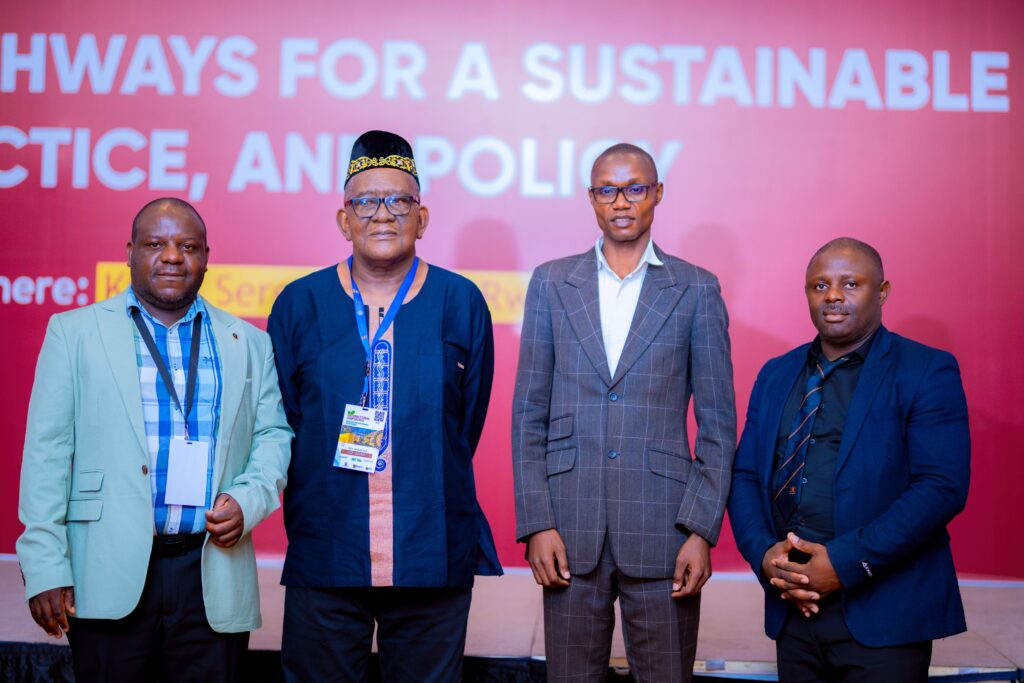
Tshwane University of Technology – Faculty of Economics and Finance Joins International Conference on Green and Sustainable Development (ICGSD) (TUT joins ICGSD) In a landmark development for African academic collaboration on sustainability, Tshwane University of Technology (TUT) – Faculty of Economics and Finance has officially joined the University of Kigali (Rwanda), the University of Fort Hare (South Africa), and North-West University Business School (South Africa) as a Non Founding- Member and Co-host of the International Conference on Green and Sustainable Development (ICGSD). ICGSD Chairs’ committee during ICGSD 2025 The announcement was made by Dr. Ronald Kwena, who was nominated as the Interim Chair of the ICGSD Governing Board, following the successful inaugural ICGSD 2025, which was held in March at the Kigali Serena Hotel in Rwanda. The conference brought together researchers, policymakers, and business leaders from across the globe to explore pathways for inclusive, climate-conscious, and innovation-driven development on the African continent and beyond. Dr Ronald Kwena, Chair ICGSD Governing Board Dr. Kwena confirmed that the decision to bring TUT on board was made following the enthusiastic participation of Dr. Sindi Mokgopha from Tshwane University of Technology at the Kigali event. “Dr. Mokgopha’s engagement and TUT’s long-standing commitment to green innovation and applied research made it clear that the institution would bring critical value to the ICGSD platform,” said Dr. Kwena. Dr. Sindi Mokgopha from Tshwane University of Technology – ) – Faculty of Economics and Finance The inclusion of TUT as a co-host is expected to significantly expand the scope and impact of the ICGSD network, particularly in supporting youth-led green entrepreneurship, research commercialization, and regional knowledge exchange across Southern and East Africa. As part of the strategic announcements, Dr. Kwena also shared that the ICGSD Committee of Chairs resolved that the next edition of the conference, ICGSD 2026, will be hosted by North-West University Business School and Chaired by Professor Joseph Lekunze, further cementing South Africa’s leading role in advancing sustainability discourse on the continent. Prof Joseph Lekunze – Chair ICGSD 2026 The ICGSD is a pan-African academic and policy platform aimed at accelerating progress on the Sustainable Development Goals (SDGs) through partnerships, research, and action-oriented dialogue.
UoK Explores PhD Partnerships in UK Visit
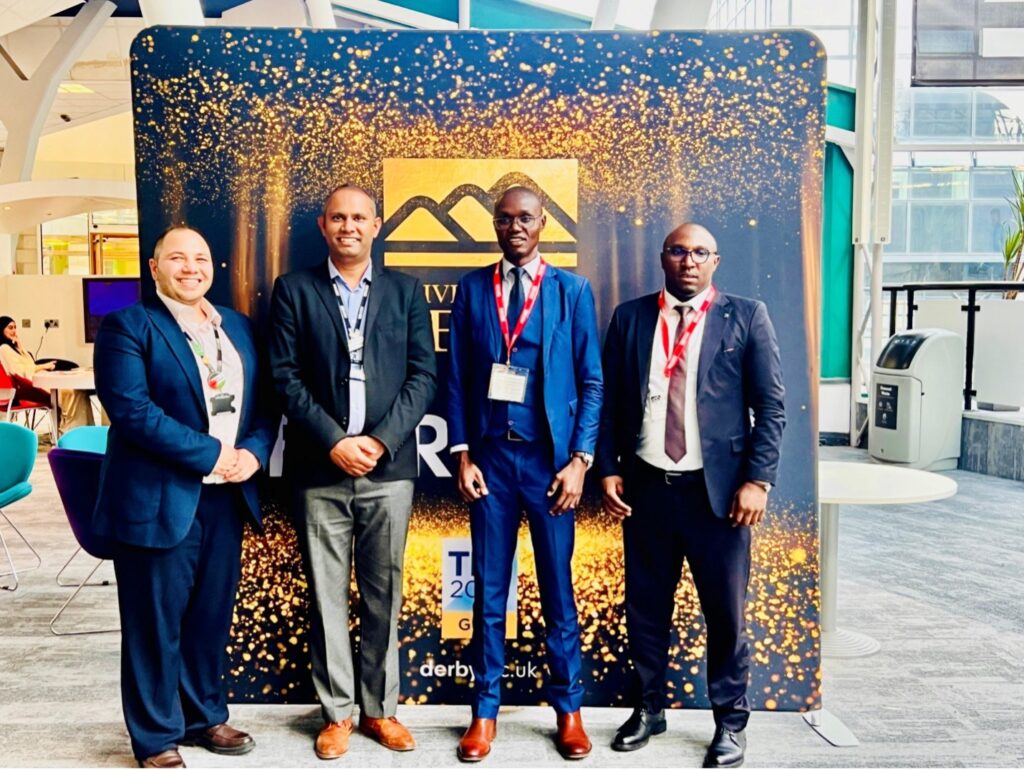
UoK Explores PhD Partnerships in UK Visit: Two senior academic leaders from the University of Kigali (UoK) recently concluded a high-level benchmarking mission to the United Kingdom, aimed at enhancing postgraduate research and academic-industry collaboration. Sponsored by Learn Logistics under the Kühne Foundation, the visit focused on exploring collaborative doctoral training, innovative research practices, and strategic partnerships with the University of Derby and Liverpool John Moores University (LJMU). Dr. Ronald Kwena, Associate Deputy Vice Chancellor for Research, Innovation and Enterprise, led the visit alongside Dr. Joseph Akumuntu, Faculty Member in Supply Chain Management and Internship Coordinator. Strengthening Doctoral Education and Research at UoK The mission’s core objective was to benchmark internationally acclaimed PhD and Doctor of Business Administration (DBA) programs in Supply Chain Management. Discussions also included research supervision models, doctoral research support systems, and knowledge transfer partnerships to inform the design of UoK’s own doctoral framework. “This visit was a strategic step towards positioning the University of Kigali as a regional leader in doctoral education, applied research, and innovation,” said Dr. Kwena. “We were particularly keen on exploring models that merge academic rigour with industry relevance.” Engagements at the University of Derby The University of Derby hosted the UoK delegation with a comprehensive program of academic meetings and site tours. Key engagements included: A tour of the Doctoral College, Centre for Supply Chain Improvement, Finance Lab (equipped with Bloomberg and LSEG licenses), and various student support facilities. Meetings with academic leaders including Dr. Nicola Lynch, Head of Derby Business School; Prof. Jose Arturo Garza-Reyes, Head of Research and the Centre for Supply Chain Improvement; and Dr. Polina Baranova, DBA Programme Leader. Highlights included discussions on the structure of PhD by research, PhD by published works, and the blended delivery of a joint PhD programme between UoK and Derby. The partners explored two potential models: a UoK-accredited PhD with academic support from Derby, and a University of Derby PhD delivered through UoK, subject to local and UK accreditation. Focus on Strategic Research, Ethics, and Global Engagement The delegation engaged with Prof. Qile He and Dr. Phil Jones on research ethics, exploring Derby’s digital research management system and the role of its Research Ethics Committee. They also met with Dr. Myra Conway, Associate Provost for Innovation and Research, and Rose Martin, Research Student Office Team Leader. These sessions provided insights into Derby’s research strategy, which prioritizes interdisciplinary research across themes such as zero carbon, data science, and public services. UoK intends to adopt similar strategies in alignment with Rwanda’s National Strategy for Transformation (NST1) and Africa’s Agenda 2063. Martina Williams, Global Engagement Manager, emphasized the university’s growing partnerships in Africa and outlined the roadmap for co-developing a joint PhD program—including lecturer accreditation, shared digital resources, student/staff mobility, and potential for external funding. Applied Learning through the DBA Programme The visit also unpacked Derby’s DBA in Supply Chain Management, led by Dr. Baranova. The program blends professional practice with academic research and includes taught modules that build research capacity in real-world settings. UoK is now evaluating this model as it expands its postgraduate offerings to meet the needs of professionals across East Africa. UoK Explores PhD Partnerships in UK Visit: A Forward-Looking Partnership The benchmarking visit signals a major milestone for UoK as it advances its vision of becoming a hub of excellence in logistics, supply chain, and applied research in Africa. Key next steps include: Developing a formal Memorandum of Understanding (MoU) with the University of Derby; Designing a joint doctoral supervision framework; Enhancing UoK’s research infrastructure, including doctoral colleges and simulation labs; Participating in international journal editorship and conferences through networks such as the IEOM Society. “The insights gained from this mission will directly inform our efforts to internationalize our doctoral programs, boost innovation, and strengthen industry-academic linkages,” Dr. Akumuntu noted.
UoK Hosts Logistics Workshop
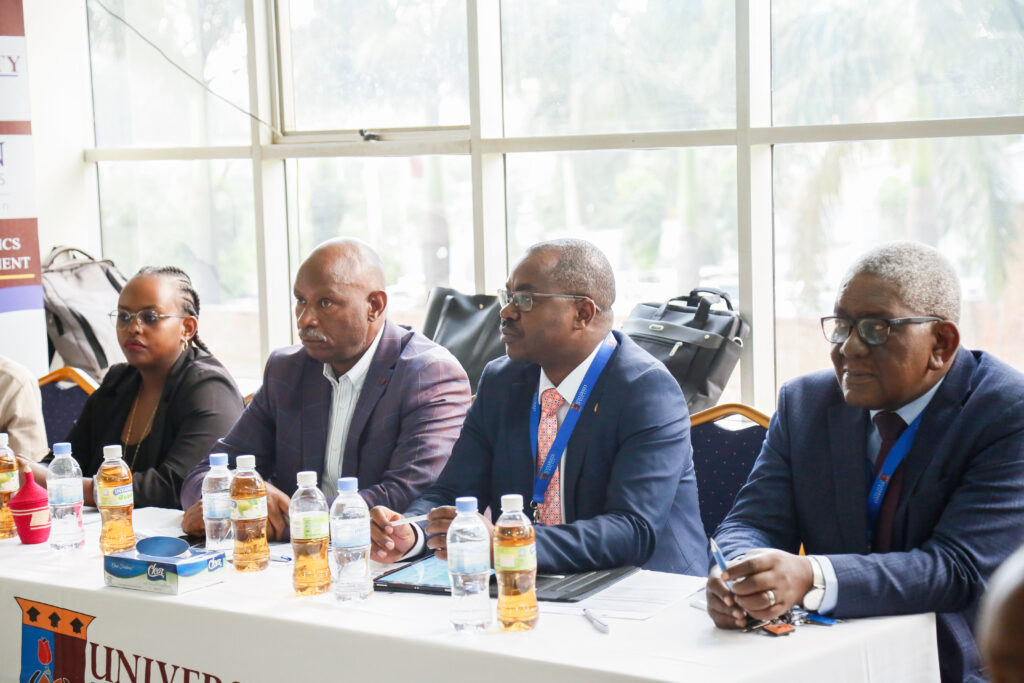
UoK Hosts Logistics Workshop: The University of Kigali Centre for Applied Logistics and Supply Chain Management successfully hosted a Career Mentorship and Guidance Workshop on May 9, 2025, bringing together leading industry experts to mentor and engage students pursuing degrees in Logistics and Supply Chain Management. Speaking during the opening of the workshop, Prof George Kimathi, the Vice Chancellor, University of Kigali affirmed the University’s commitment to fostering practical skills for its students. The workshop forms part of the University’s commitment to equipping students with practical skills and professional insights aligned with Rwanda’s Vision 2050, the Second National Strategy for Transformation (NST1), and regional frameworks including the African Union Agenda 2063 and the United Nations Sustainable Development Goals (SDGs). The event featured keynote presentations and expert panels focusing on the future of logistics, employer expectations, customs operations, warehousing, freight forwarding, and job readiness. The opening session was delivered by Mr. Rwigema David, Chairman of the Freight Forwarders Association in Rwanda, who emphasized the strategic importance of logistics in driving economic development and regional integration. Additional speakers included: Ms. Umuhoza Marie Yvonne, ITM Holding – What Employers Want: Skills and Attributes for SCM Jobs Ms. Uwera Jeanette, Rwanda Revenue Authority – Insights into Customs Operations and Warehousing Ms. Myriam Izabayo, Africa Global Logistics – Freight and Forwarding/Warehousing Management Ms. Terhas Legesse, Hire Me Africa – Effective Job Search Strategies An expert panel moderated by Mr. Akili Olivier brought together voices from across the logistics sector including: Mr. Mugambage Mundane, Managing Director, Pioneer Logistics Dr. Martin Gachukia, Academic Registrar, University of Kigali Mr. Jean Claude Ndatumuremyi, Managing Director, Transco Logistics Dr. Akumuntu Joseph, Faculty, University of Kigali Closing remarks were delivered by Dr. Kwena Ronald, Associate Deputy Vice Chancellor Research, Innovation and Enterprise at the University of Kigali, who reiterated the University’s role in developing industry-relevant, policy-aligned academic programs. “Through initiatives like this workshop, we are actively contributing to national and continental goals. We are building a workforce prepared for the future of logistics and supply chain management in Rwanda, the region, and beyond,” said Dr. Kwena. This initiative is implemented within the framework of the University’s MoU with the National Council for Science and Technology (NCST), aimed at enhancing the integration of applied research, innovation, and industry partnerships in Rwanda. The workshop aligns with multiple strategic priorities: Vision 2050: High-quality, skills-based education for economic transformation NST1: Employable youth and private sector-led development Agenda 2063: A skills revolution underpinned by science, technology, and innovation SDGs: Quality Education (Goal 4), Decent Work (Goal 8), Industry, Innovation (Goal 9), and Partnerships for the Goals (Goal 17) The University of Kigali continues to position itself as a regional leader in applied logistics education and workforce development.