UoK Advances Circular Waste Research
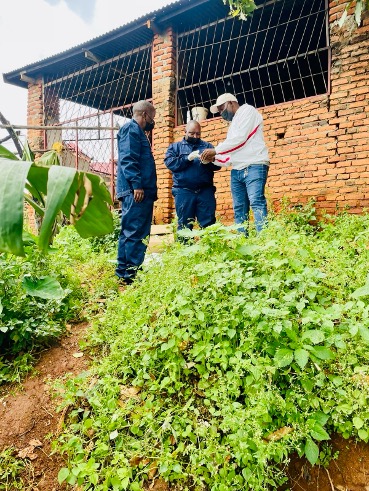
University of Kigali Research Department commenced the second phase of the Circular Economy: Waste Analysis and Characterization Study in Rusizi District on February 25, 2026. The team comprises a Principal Investigator, Solid Waste management experts, Geographic Information System (GIS) Experts and Data Collectors. The Study which commenced in January 2026 is divided in to different components including Conducting baseline waste audit, Identifying Waste Segregation facilities, GIS Mapping of Waste Systems, Waste Wise Cities (WaCT) Survey. A second team from University of Lay Adventists of Kigali (UNILAK) is undertaking a similar exercise in Nyamasheke District. The Research is supported by Spanish Red Cross, Rwanda Red Cross Society and Funded by European Union. The study is aimed at Supporting Sustainable Municipal Waste Management and Circular Economy Transitions by generating comprehensive, reliable data on waste streams in Nyamasheke and Rusizi to inform strategic improvements in waste management systems that align with national policies and international best practices. The Study also aims to improve water quality in the Lake Kivu basin through sustainable economic practices based on circular economy principles and their application in inclusive local solid waste management; Foster knowledge, behavioral change and policy / business decisions towards resilient and circular economy involving LGUs, CBOs, MSMEs and Waste collectors; and Support inclusive circular economy initiatives tested and validated, focused on efficient alternatives for processing recycled plastic and organic waste.
Staff Mobility – Ostrava (Erasmus+ ICM)
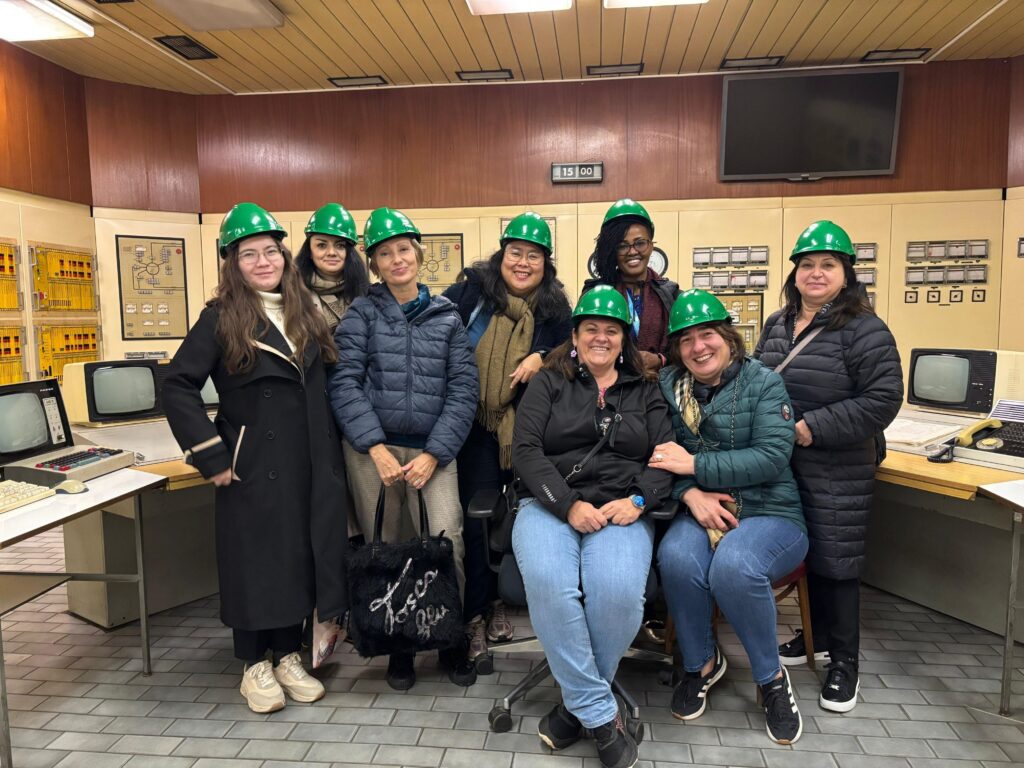
University of Kigali is pleased to highlight the successful participation of our Director of International Affairs and Partnership in a five-day staff mobility programme hosted by the University of Ostrava, Czech Republic. Facilitated through the Erasmus+ International Credit Mobility (ICM) Programme, this engagement advanced our institutional goals in internationalisation, partnership development, and capacity building. The mobility took place at the Faculty of Social Studies and brought together international administrative and academic staff from partner universities across Europe and Africa, further strengthening connections through the Staff Mobility Visit to the University of Ostrava Czech Republic Under the Erasmus+ International Credit Mobility Programme. Programme Highlights Day 1 opened with registration and a warm institutional welcome. Sessions introduced: The University of Ostrava’s structure and internationalisation strategy The role of International Relations Offices in institutional development Reflections on 10 years of Erasmus+ International Credit Mobility Staff Mobility – Ostrava (Erasmus+ ICM) The day concluded with a guided city and campus tour, offering cultural and academic orientation to the host institution. As a result, the programme effectively demonstrated the impact of staff mobility visits to the University of Ostrava, Czech Republic under the Erasmus+ International Credit Mobility Programme. On Day 2 participants explored the structure and administration of joint degree programmes, a key tool for deep collaboration in higher education. This was followed by tailor-made faculty meetings, where possible areas for collaboration—including co-teaching, student mobility, and research links—were discussed. In addition, the Staff Mobility Visit to the University of Ostrava Czech Republic Under the Erasmus+ International Credit Mobility Programme fostered meaningful academic exchanges. A vibrant social event and quiz offered opportunities for networking in an informal setting. Day 3 began with an insightful session on Collaborative Online International Learning (COIL), highlighting digital pathways to global learning experiences. Participants also shared their institutional profiles during the Presentation of Partner Universities segment. Moreover, the Erasmus+ International Credit Mobility Programme made staff mobility visits to Ostrava, Czech Republic highly collaborative for university partners. A hands-on workshop titled “Building and Sustaining Global Partnerships” provided practical tools for strengthening long-term international cooperation. The day ended with a guided excursion through Dolní Vítkovice, a cultural and technological landmark of Ostrava. This event underscored the value of partnership development through the Staff Mobility Visit to the University of Ostrava Czech Republic Under the Erasmus+ International Credit Mobility Programme. Day 4 centred on a group activity aimed at co-creating ideas for future cooperation among partner institutions. Teams explored possibilities such as: Exchange of administrative best practices Joint virtual and physical mobility projects Joint research and training initiatives Strengthening Erasmus+ pathways for both staff and students The session fostered meaningful collaboration and the identification of shared priorities. The day was concluded by a dinner, showcasing the lasting benefits brought by the Staff Mobility Visit to the University of Ostrava Czech Republic Under the Erasmus+ International Credit Mobility Programme. The final day provided space for: Final reflections on learning outcomes A summary of key institutional insights and partnership opportunities Completion of the mobility programme evaluation Participants highlighted the programme’s practical orientation, rich networking opportunities, and potential for deeper collaboration under Erasmus+ and beyond. Clearly, the successes witnessed were largely due to the Staff Mobility Visit to the University of Ostrava Czech Republic Under the Erasmus+ International Credit Mobility Programme. Impact of the Mobility This mobility strengthened ties between the University of Kigali and the University of Ostrava by: Through the Erasmus+ International Credit Mobility Programme, the staff mobility visit to Ostrava, Czech Republic led to numerous collaborative opportunities. Opening new avenues for student and staff exchanges Exploring possibilities for joint degree development Enhancing understanding of COIL and virtual exchange models Building networks with global institutions for future projects Identifying areas for collaborative research and innovation We extend our gratitude to the University of Ostrava and the Erasmus+ ICM Programme for their excellent organisation, hospitality, facilitation and collaboration throughout the five-day exchange. Staff Mobility – Ostrava (Erasmus+ ICM)
University of Kigali Accelerates Research, Innovation and Enterprise Agenda
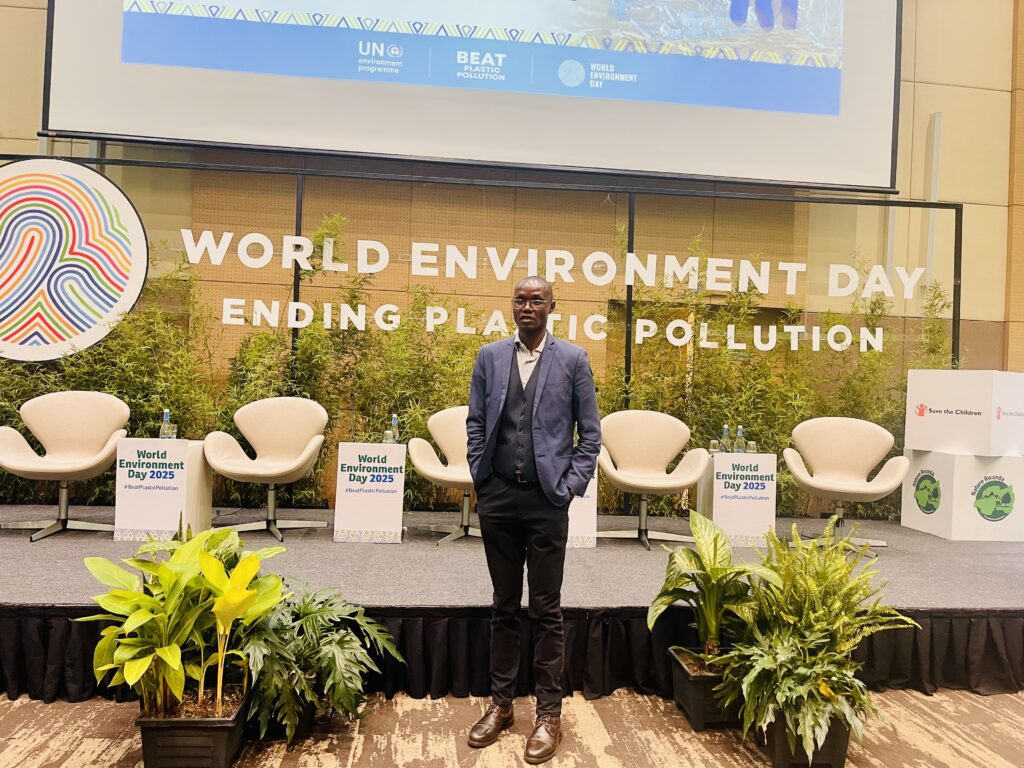
The University of Kigali (UoK) is steadily redefining its research and innovation landscape. Strategic investment, deliberate institutional reforms, and expanding industry partnerships are translating into measurable growth in research productivity, enterprise engagement, and postgraduate capacity. What was once an emerging research portfolio is now evolving into a structured, impact-oriented ecosystem anchored in Research, Innovation and Enterprise (RIE). The strengthening of the Research, Innovation and Enterprise function marked a strategic shift for UoK,” they noted. “It allowed us to move from fragmented research activities to a coordinated, performance-driven system aligned with national development priorities. This structural strengthening has yielded visible results. Research output has grown consistently, supported by improved internal review systems, clearer publication incentives, and strengthened postgraduate supervision structures. Faculties in Business and Economics, Computing, Law, Education, and Health Sciences are contributing to a rising volume of peer-reviewed publications, policy briefs, and applied research outputs aligned with Rwanda’s transformation agenda. Behind this progress is a fit-for-purpose Research, Innovation and Enterprise Unit tasked with research capacity development, grant mobilisation, ethics oversight, intellectual property management, and industry linkages. Over the past three years, the unit has institutionalised research guidelines, streamlined proposal development support, enhanced postgraduate dissertation monitoring systems, and introduced structured research seminars to cultivate a vibrant academic culture. Academic depth has simultaneously expanded. The proportion of permanent academic staff holding doctoral qualifications continues to rise, strengthening supervision capacity and enhancing the quality of postgraduate training. This deliberate investment in academic qualifications directly supports timely completion rates and improves the research experience of Master’s and emerging doctoral candidates. As the leadership emphasises, “strong supervision capacity is central to student success and institutional credibility.” Funding diversification has also become a defining feature of UoK’s growth. The University has broadened its engagement beyond traditional tuition-based financing to include private-sector partnerships, climate finance collaboration, logistics sector engagement, and applied research contracts. Partnerships in plastic recycling, waste management analysis in Rusizi, sustainable agriculture innovations, electric mobility research collaboration, and climate-focused conferences demonstrate the University’s ability to translate academic knowledge into real-world solutions. In particular, UoK’s positioning as both a Green University and a Financial University reflects its commitment to linking sustainability, enterprise, and applied research. The proposed Climate Action and Sustainable Development Innovation Research Centre further exemplifies this ambition by integrating climate research, youth entrepreneurship, ESG compliance capacity building, and green finance pipeline development. The University’s logistics and supply chain management ecosystem has also gained momentum. Through industry partnerships and the Centre for Applied Logistics and Supply Chain Management, students engage in practical learning models that connect theory to warehouses, transport corridors, and e-commerce systems. This integration of applied learning with research strengthens graduate employability while deepening industry trust. Institutional governance frameworks have matured alongside these developments. Since 2022, updated policies have been introduced to govern research ethics, intellectual property, research rewards, data management, and research centre operations. Ethical review processes have been stabilised and formalised, ensuring that all research activities meet national and international standards. Innovation and commercialisation pathways are equally strengthening. The University is progressively building mechanisms to protect intellectual property, support prototype development, and explore patent registration opportunities. Enterprise incubation efforts within logistics, circular economy, agri-processing, and digital innovation are beginning to generate revenue streams that reinforce institutional sustainability. Digital transformation has added further efficiency to the research lifecycle. Online research tracking systems, digital dissertation submission platforms, and electronic ethics clearance processes are shortening turnaround times and enhancing transparency in research management. Taken together, these milestones represent more than incremental improvement. They reflect an institution intentionally building a research culture anchored in accountability, partnership, and national relevance. The trajectory demonstrates that UoK is transitioning from a primarily teaching-focused institution into a dynamic, innovation-oriented university that contributes directly to Rwanda’s economic transformation. As the leadership affirms, “The University of Kigali is not merely expanding its research footprint; it is strategically positioning itself as a hub for applied research, enterprise development, and sustainable innovation. Our focus is measurable impact, strengthened governance, and research that responds to national and regional priorities.” With growing academic depth, expanding partnerships, and structured research governance, the University of Kigali is advancing confidently toward its goal of becoming a recognised centre of excellence in research, innovation, and enterprise in the region.
UoK–UFS Partnership for Impact
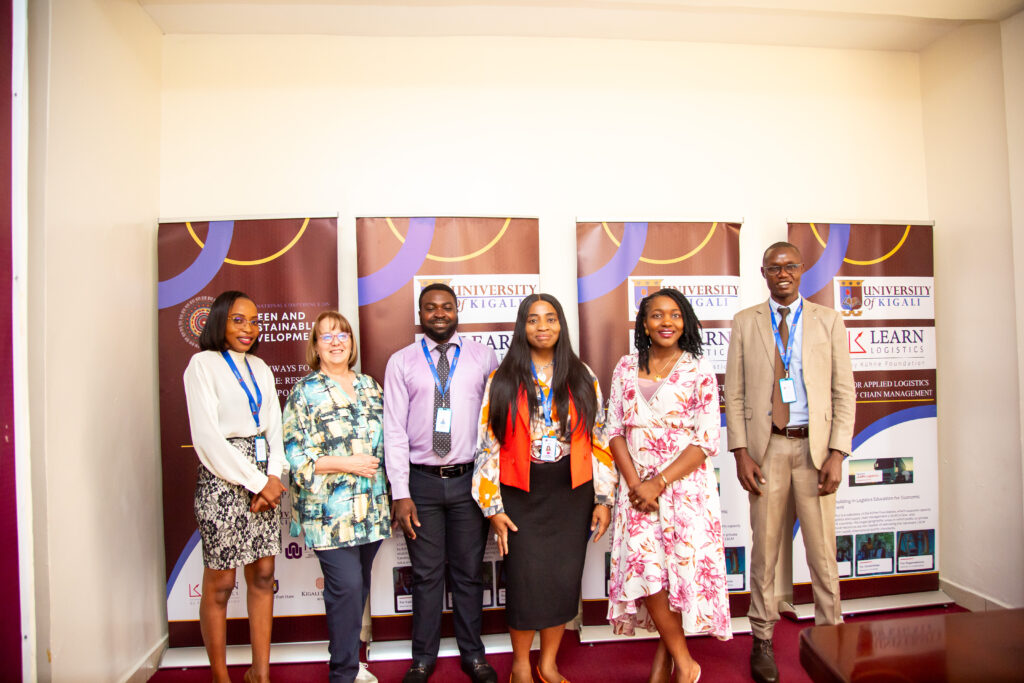
On 21 Oct, 2025 our University was honoured to meet with our colleagues from UFS to explore collaboration opportunities between our two institutions. Discussions focused on innovation, research commercialisation, and impactful interdisciplinary projects aligned with the SDGs and AU Agenda 2063. UoK–UFS Partnership for Impact Key areas of potential collaboration include: Innovation & commercialization Applied business, economics & supply chain Green and circular economy development Equity and inclusiveness Mobility, virtual exchange & joint research We acknowledged and celebrated the ongoing partnership between Prof. Neneh and Prof. Ogechi, particularly regarding the joint grant application. We remain optimistic and supportive of this initiative and look forward to its positive outcomes! UoK–UFS Partnership for Impact
Professional Development Workshop on Effective Teaching in the Digital Era
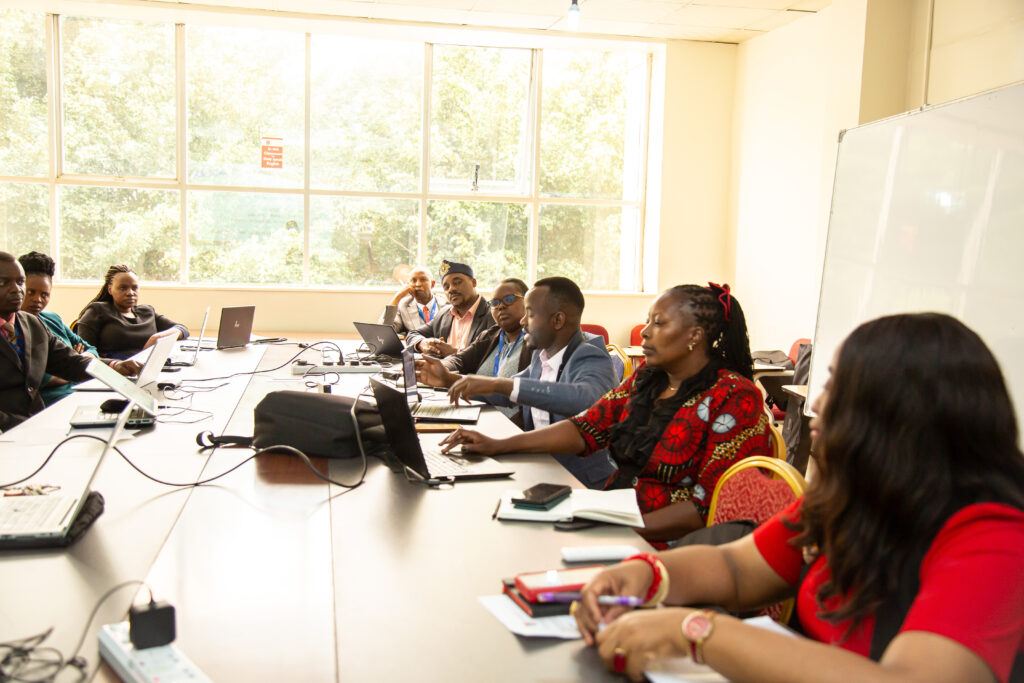
Professional Development Workshop on Effective Teaching in the Digital Era UoK launched a three-day Professional Development Programme aimed at strengthening teaching excellence, innovation, and digital pedagogy among its academic staff. The training, facilitated by the Professors Without Borders (PWB)- team, focused on equipping lecturers with modern teaching tools and strategies to enhance learner engagement and instructional effectiveness. The workshop, themed “Effective Teaching in the Digital Era,” provided hands-on training in: Online and blended teaching techniques Artificial Intelligence (AI) in teaching and research Navigating and optimizing Moodle for course delivery Assessment enhancement methods Class management and learner engagement The opening session began with welcoming remarks and programme overview by Director of International Affairs and Partnership, followed by Prof. Ogechi Adeola, Deputy Vice-Chancellor for Academic, who officially opened the workshop. Facilitators from Professors Without Borders (UK) led the first session on Innovative Online Teaching Techniques, highlighting how technology can be leveraged to create engaging and inclusive virtual classrooms. Participants explored strategies for blended and hybrid learning, the use of multimedia tools for course delivery, and best practices for maintaining student motivation in digital environments. Professional Development Workshop on Effective Teaching in the Digital Era The second day of the Faculty Development Programme focused on strengthening the quality of teaching and assessment at the University. The interactive workshop guided academic staff through innovative and practical approaches to evaluating student learning while enhancing classroom engagement. Key areas of discussion included: Designing authentic and competency-based assessments Using digital tools for formative and summative evaluation Integrating peer and self-assessment to foster collaboration Applying feedback strategies for continuous learning improvement Ensuring alignment between learning outcomes and assessment methods The session offered hands-on demonstrations and peer-sharing experiences, empowering faculty members to create learner-centered, outcome-driven assessment strategies. The final day of the training centred on the role of Artificial Intelligence (AI) and digital technologies in transforming higher education. Facilitated by the Professors Without Borders (PWB) team, the session provided faculty with actionable insights into leveraging AI for research, teaching, and curriculum innovation. The workshop explored key themes such as: Understanding the role of AI in modern education Using AI tools in teaching, scholarly writing, and curriculum design Maintaining ethical standards and academic integrity in AI usage Navigating Moodle for course delivery, including multimedia integration, assessment setup, and performance tracking The session concluded with a Q&A discussion and closing remarks by Prof Ogechi, who commended both facilitators and participants for their commitment to advancing teaching excellence and digital innovation at the UoK.
School of Computing and IT Welcomes Back Erasmus+ Exchange Students from Ostrava University
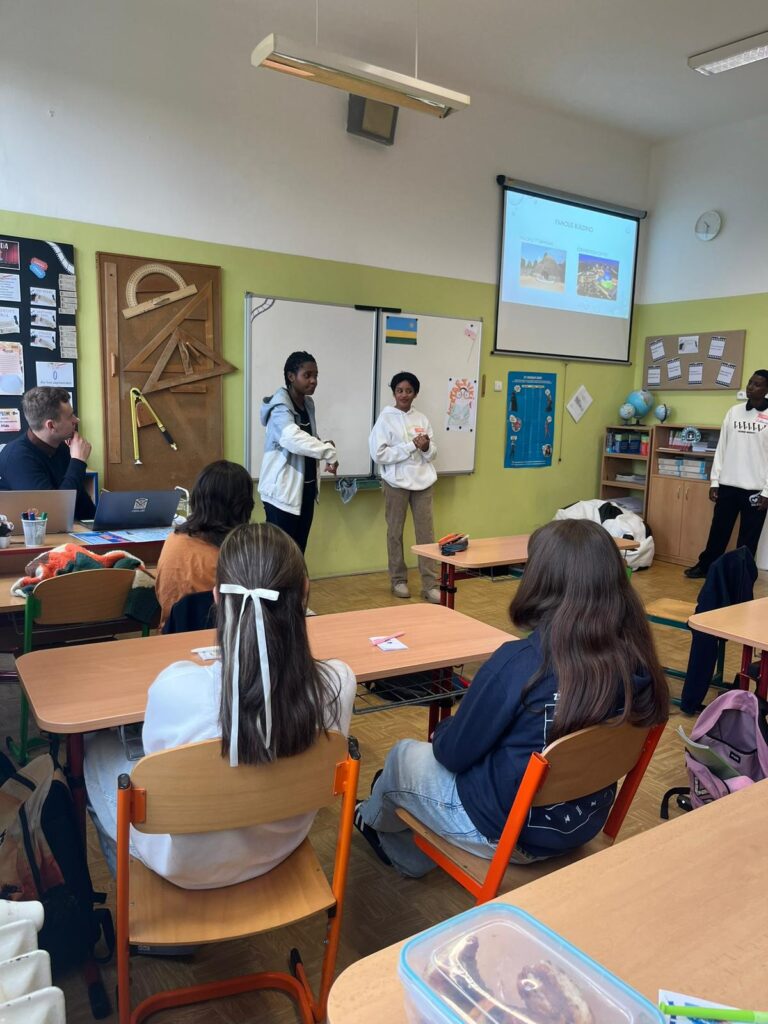
At 1:00 AM today, the Dean of the School of Computing and IT (SCIT), together with Heads of Department and proud parents, warmly welcomed six students at Kanombe International Airport as they returned from a four-month international exchange program at Ostrava University, Czech Republic (Europe 🇪🇺) under the EU Erasmus+ Programme. The returning students drawn from BBIT, BIT, and Computer Science arrived safely and performed exceptionally well throughout their exchange period. Their success reflects the strong academic preparation and global readiness fostered by the School of Computing and IT. This cohort marks the fourth batch of SCIT students (alongside staff) to participate in the Ostrava University exchange, underscoring the School’s sustained commitment to internationalization, academic excellence, and global exposure. Building on this momentum, SCIT will send another six high-performing first-year students in the next cycle. Selection will begin in March 2026. Further strengthening global collaboration, the School of Computing and IT (SCIT) and the School of Business and Management Economics (SBME) have applied for a new joint exchange project with Ostrava University, aimed at expanding both student and staff mobility opportunities. In addition to European exchanges, SCIT continues to open global pathways through fully funded Master’s scholarships under BCDI Scholarship . Each year, the School supports two top overall performers one female and one male to pursue a fully funded Master’s degree in Cybersecurity at Concordia University of Edmonton, Canada. These initiatives reaffirm SCIT’s vision to develop globally competitive graduates, foster cross-cultural learning, and provide transformative opportunities that prepare students for leadership in the digital economy.
Afreximbank Special Session Highlights AI’s Role in Accelerating AfCFTA Implementation at ICAIED 2025
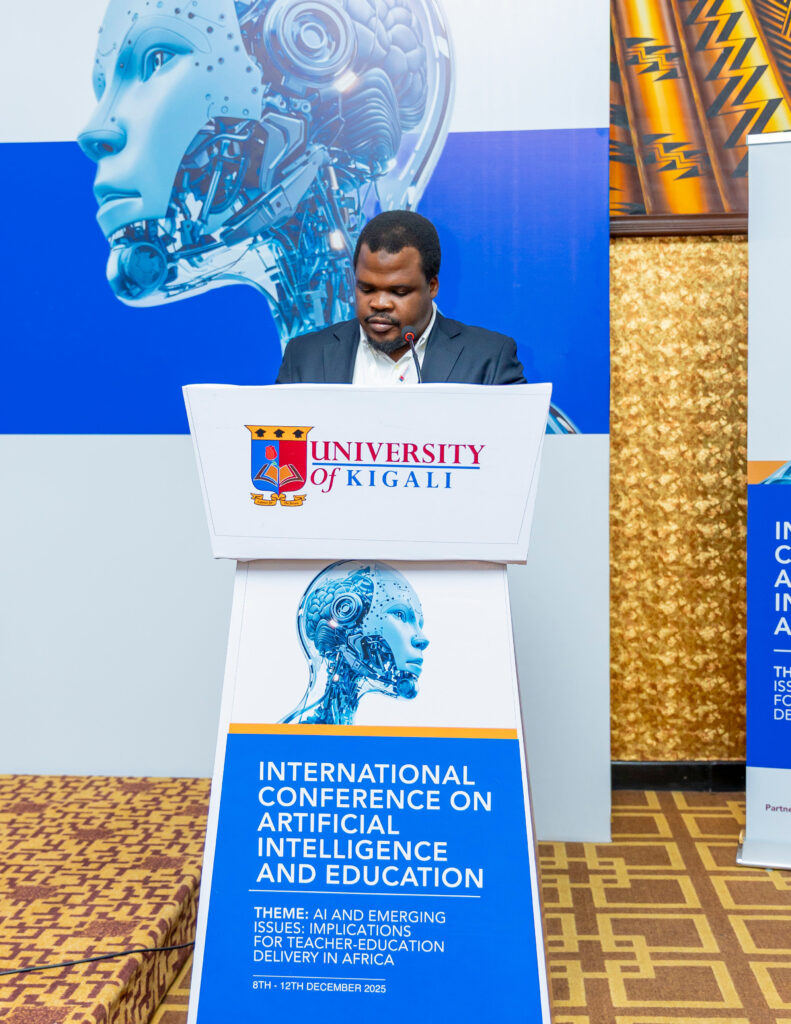
The International Conference on Artificial Intelligence and Education (ICAIED 2025), hosted by the University of Kigali from 8–12 December, continues to position Rwanda as a continental hub for AI-driven innovation, research, and educational transformation. Among the notable events, the Afreximbank Special Session highlights AI’s role in accelerating AfCFTA implementation at ICAIED 2025. The week-long conference has drawn over 250 distinguished participants, including educators, AI innovators, policymakers, diplomats, industry leaders, and development partners, to discuss the future of teacher education, governance, and digital transformation across Africa. Among the highlights of this year’s conference was the Afreximbank Special Session, a landmark engagement that reaffirmed the Bank’s leadership as the Gold Sponsor of ICAIED 2025 and its central role in shaping Africa’s digital trade ecosystem. Held on Thursday, December 10, the session underscored the transformative impact of artificial intelligence on the African Continental Free Trade Area (AfCFTA), economic integration, and the continent’s broader development agenda. The session opened with a compelling Africa Trade Gateway (ATG) corporate video, which showcased Afreximbank’s suite of expanding digital platforms designed to accelerate intra-African trade. The video highlighted innovative solutions such as PAPSS, ATG, and other trade facilitation tools that are enabling faster, more secure, and more affordable cross-border commercial activity. This introduction set the stage for a powerful lead paper presentation by Dr. Luqman Afolabi, titled Artificial Intelligence as a Catalyst for AfCFTA Implementation: Building Trade Integration and Educational Capacity for Africa’s Digital Economy. Dr. Afolabi argued that while the AfCFTA represents a historic milestone, uniting a market of 1.3 billion people, the success of the agreement depends on deploying AI-enabled systems to enhance efficiency, transparency, and trust. He illustrated how AI is reshaping three critical sectors of Africa’s economic infrastructure: Food Systems: Smart logistics and predictive analytics reducing agricultural losses and improving distribution. Energy Systems: AI-driven demand forecasting optimizing production, distribution, and sustainability. Financial Integration: Platforms like PAPSS, supported by AI-powered fraud detection and security protocols, dramatically lowering cross-border payment costs and reducing reliance on external currencies. Dr. Afolabi emphasized that none of these innovations can succeed without a digitally competent workforce. He called for strategic reforms in teacher education, TVET programmes, and higher learning institutions to prepare young Africans for an AI-enabled labour market. Building strong digital competencies, he noted, is essential for the continent to fully leverage AfCFTA’s opportunities. Sponsored by Afreximbank’s Africa Trade Gateway (ATG), the Special Session reinforced the Bank’s unique role as both a financier and a thought leader shaping Africa’s digital trade future. Discussions highlighted how AI-enabled platforms, alongside emerging frameworks such as the Smart Africa Trust Alliance (SATA) and the AfCFTA Protocol on Digital Trade, are laying the groundwork for a continental Digital Single Market. This Special Session stood out as a pivotal moment at ICAIED 2025, demonstrating how investments in AI, digital trade systems, and human capital development can accelerate progress toward the aspirations of Agenda 2063 and strengthen Africa’s competitiveness in the global economy. Afreximbank’s contribution complemented the broader ICAIED themes by connecting AI-driven educational reform to Africa’s economic transformation. The Bank’s Pan-African leadership, together with additional Silver Sponsors Cavalli Business & Investment Limited and DT Autocafe, significantly elevated the conference’s impact and visibility, reinforcing the value of cross-sector partnerships in shaping the continent’s future.
UoK & University of Derby Host Joint Research Showcase on African-Led Innovation
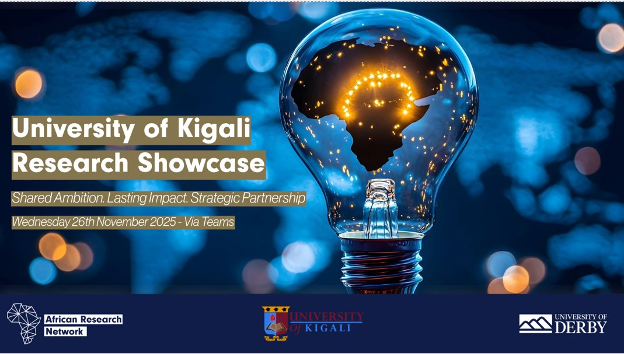
The University of Kigali (UoK), in partnership with the University of Derby (UK), held a high-level Research Showcase aimed at enhancing collaboration, strengthening research excellence, and promoting Africa-led knowledge generation. This joint showcase focused on African-led innovation brought together scholars from both institutions, reaffirming a shared commitment to creating impactful, inclusive, and globally competitive research. The showcase forms part of UoK’s broader strategy to expand research outputs, deepen academic partnerships, and accelerate institutional capacity through targeted collaboration with international universities. The University of Derby known for its strong applied research serves as a strategic partner in advancing these goals. UoK & University of Derby Host Joint Research Showcase on African-Led Innovation The Showcase whose Keynote was Professor Chrispas Nyombi, a Professor of International Commercial Law at University of Derby, was organized by Dr Ronald Kwena, the Associate Deputy Vice Chancellor Research, Innovation and Enterprise, in collaboration with Alex Phillips, the Research Development Manager; University of Derby Research & Knowledge Exchange Office. UoK & University of Derby Host Joint Research Showcase on African-Led Innovation The event was designed around four core objectives: To highlight priority research areas at the University of Kigali where collaboration with the University of Derby is sought. UoK presented thematic areas aligned to national and continental development priorities, demonstrating where joint expertise can create high-impact outcomes. To explore opportunities for joint research projects, funding applications, and technical partnership development. The showcase opened pathways for co-authored research, multi-institution grant proposals, and shared technical resources—critical for scaling African research initiatives and showcasing innovation led by Africans. To connect researchers across both institutions and strengthen long-term, equitable collaborations. By fostering direct engagement between academics, the event laid a foundation for sustained partnerships built on mutual benefit and academic integrity. To support the aims of the African Research Network (ARN) in building inclusive, impactful research partnerships. The showcase aligns with ARN’s continental mission to enhance Africa’s research ecosystems through collaboration, mobility, and knowledge exchange. Five University of Kigali researchers presented groundbreaking studies across priority disciplines shaping Africa’s development future. Their work demonstrated UoK’s growing research strength and its relevance to global challenges. This includes fostering innovation within Africa through these joint initiatives. UoK & University of Derby Host Joint Research Showcase on African-Led Innovation Dr Ronald Kwena (PhD Project Management): Circular Economy Projects and their Impact on Conservation Programs; Dr. Kwena’s research highlighted how circular economy (CE) practices contribute to environmental sustainability and conservation. Through case evidence, he demonstrated that well-designed CE projects reduce waste, protect biodiversity, and create green jobs—presenting Rwanda as a leading example of sustainable development in Africa. Dr Martin Gachukia (PhD Supply Chain Management): Unlocking Africa’s Trade Potential: Building Resilient Maritime Corridors for Economic Growth; Dr. Gachukia explored Africa’s logistical challenges and the need for resilient maritime corridors to support AfCFTA objectives. His presentation emphasized how efficient port systems, regional integration, and technology-driven logistics can significantly reduce trade costs and enhance Africa’s global competitiveness. Dr Emmanuel Bugingo (PhD Computer Science): Applications of Machine Learning and AI for Enhancing Educational Processes and Outcomes; Dr. Bugingo demonstrated the transformative potential of AI in modernizing education. From predictive analytics to intelligent tutoring systems, his work showcased data-driven approaches that can improve learning outcomes and support evidence-based decision-making within educational institutions. Dr Laura Lisita (Law): Children’s Rights in the Digital Age of Artificial Intelligence: Redefining Protection, Participation, and Privacy Online; Dr. Lisita brought attention to critical digital rights issues affecting children in the age of AI. She analyzed emerging legal and ethical challenges—including privacy risks, data governance, and algorithmic bias—while proposing frameworks to ensure children’s protection and meaningful participation online. Dr Elizabeth Owino: Learners’ Perspectives of Characteristics of Effective Open Distance Education Instructors: The Case of Namibia; Dr. Owino presented findings on ODE learners’ expectations, highlighting instructor competencies that enhance student engagement, satisfaction, and academic success. Her work is vital for universities expanding digital and blended learning models across Africa. Representatives from UoK and the University of Derby reaffirmed a shared commitment to deepening academic cooperation through: Joint publications Co-supervised postgraduate research Collaborative grants and funded projects Exchange of expertise and research mentorship Development of thematic research hubs This partnership also strengthens Rwanda’s role in continental research networks, contributing to knowledge ecosystems that promote Africa-led solutions and innovation. The showcase directly advances the University of Kigali’s Strategic Plan (2025–2025), which prioritizes research output, innovation, and global engagement. By aligning institutional strengths with international partners and the African Research Network, UoK is positioning itself as a leader in applied, high-impact African research. As the event concluded, participants praised the University of Kigali for championing collaborative, forward-thinking research that reflects Africa’s development ambitions. The joint effort between UoK and University of Derby in this showcase served not only as a platform for sharing knowledge but also as a catalyst for long-term partnerships that will shape the future of academic excellence across the continent. Circular Economy Projects a n d t h e i r I m p a c t o n Conservation Programs https://uok.ac.rw/wp-content/uploads/2025/11/202511_ARNKigaliShowcase.pdf
University of Kigali Hosts Fort Hare Faculty for Academic Exchange

The University of Kigali (UoK) hosted two distinguished visiting professors from the University of Fort Hare (UFH), South Africa; Prof. Willy Chinyamurindi and Prof. Juliet Townes for a four-day academic exchange focused on staff mobility, capacity building, and strengthening institutional collaboration between the two universities. The visit, spanned from 17th to 20th November 2025, and formed part of the strategic partnership aimed at advancing academic excellence, research productivity, and regional integration in higher education. The exchange programme which is part of a Memorandum of Understanding between University of Kigali and University of Fort Hare brings together UoK’s senior leadership, faculty, administrative staff, and students for a series of high-level engagements, guest lectures, workshops, and collaborative planning sessions. The delegation was received by the Vice-Chancellor, Prof. George Kimathi, who reaffirmed UoK’s commitment to impactful partnerships within Africa. Prof. Adeola Ogechi, The DVCA presented an overview of academic programmes, highlighting growth areas for collaboration. The UFH professors delivered introductory remarks emphasizing the value of South-South cooperation in higher education. A major highlight was the Research Expererince sessions on Grant writing and Publishing. The Visiting Professors outlined opportunities for joint research, innovation ecosystems, commercialization pathways, and capacity-building initiatives. The morning also featured sessions on Centre for Modern Languages led by Prof. Wasajja Kiwanuka. The day concluded with a high-level roundtable discussion, where UoK and UFH leadership explored collaborative opportunities in curriculum development, research, digital innovation, and internationalization. Dr. Ronald Kwena, the Associate DVC Research, Innovation & Enterprise Division and a key coordinator of the exchange, commended the UFH team for their commitment and expertise. He noted that the partnership between UoK and UFH reflects “a shared vision to empower Africa through collaborative research, knowledge exchange, and academic excellence.” Dr Kwena added that the Collaboration already led to the joint hosting of the International Conference on Green and Sustainable Development 2025 in Kigali (https://www.newtimes.co.rw/article/25089/news/featured/featured-experts-gather-for-icgsd-2025-to-drive-green-innovation-sustainability) and subsequently ICGSD 2026 (https://uok.ac.rw/international-conference/) The visit reinforced UoK’s ambition to become a regional centre of excellence in strategic management, HR development, leadership research, and innovation. It also laid the groundwork for long-term collaboration in: Joint research publications Curriculum co-development Staff and student exchange Co-hosted conferences and workshops Shared innovation and entrepreneurship programmes As UoK continues to expand its global partnerships, the University of Fort Hare exchange stands out as a significant step toward advancing high-quality scholarship and strengthening Africa-focused academic networks.
UoK Enterprise Center Engages Global Leaders at GBSN 2025
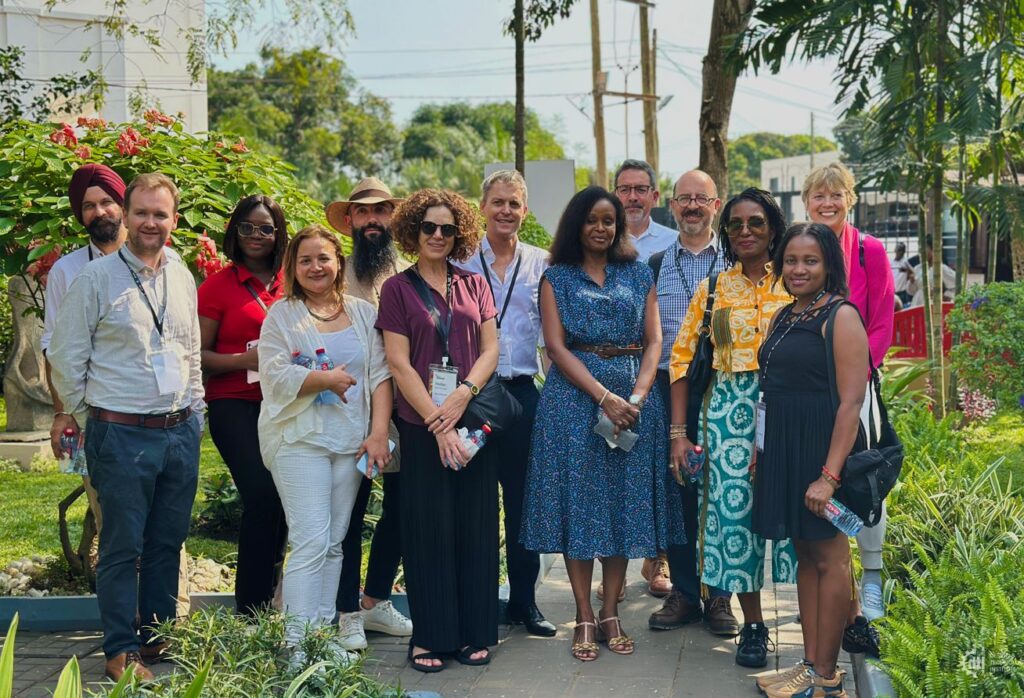
University of Kigali (UoK) reaffirmed its commitment to advancing entrepreneurial education in Africa through active participation in the Global Business School Network (GBSN) Beyond 2025 Conference, held in Accra, Ghan Ruth Mbabazi, Coordinator of UoK’s Enterprise Business Center (EBC), represented the institution at this premier gathering hosted by Ashesi University and CEIBS Africa. UoK Enterprise Center Engages Global Leaders at GBSN 2025 The conference brought together international business school leaders, industry practitioners, and policymakers to explore how management education can drive inclusive economic transformation and sustainable entrepreneurship across emerging markets. Key discussions focused on: Multi-sector collaboration to address complex societal challenges Innovative pedagogical models that bridge business, academia, and civil society Leadership frameworks for scaling enterprises across dynamic African economies Participants also engaged in site visits to high-growth Ghanaian companies supported by Stanford Seed, gaining firsthand insights into how local innovation fuels regional economic advancement. As a global network dedicated to strengthening business education in the developing world, GBSN’s Accra forum reinforced collaboration and knowledge exchange to scale impact beyond 2025. “This engagement aligns squarely with UoK’s mission to position Rwanda as a hub for entrepreneurial excellence,” said Ruth Mbabazi. “By integrating global insights into our EBC programs, we’re equipping Rwandan innovators to lead Africa’s economic future.” Through its participation, University of Kigali continues to strengthen its role as a bridge between academia and enterprise, fostering cross-border collaboration, innovation, and practical business solutions that empower Africa’s next generation of leaders.