African Network of Internationalization of Education (ANIE)
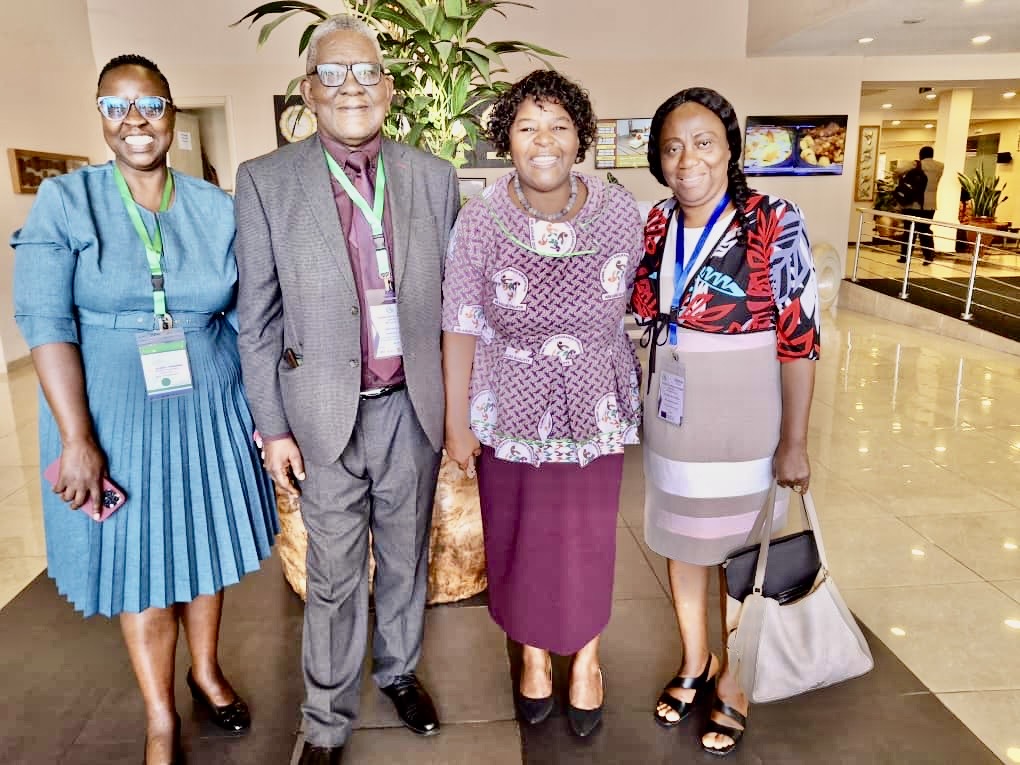
African Network of Internationalization of Education (ANIE) held its 14th Conference in Accra, Ghana at AH Hotel between 9th and 11th October 2024 hosted by OBREAL Global, University of Cape Coast, Laweh Open University College, Ghana and Association of African Students Union (AASU). Since its inception in 2008, ANIE’s Annual Conference has become Africa’s main forum for discussions on the Internalization of Higher Education in Africa. The conference whose theme was ‘repositioning International Education for Africa’s Future brought together researchers, practitioners, policy makers, students, university leaders and key stakeholders engaged in Higher Education in Africa and beyond from more than 15 countries of the world. ANIE is implementing the EU funded Internationalization and Digitalization of Graduate Training and Research for the attainment of Africa’s Regional and Global development Goals (DigiGrad). The project aims at enhancing quality and relevance of postgraduate training and research in African Universities through the integration of Internationalization and Digitalization. During the conference, Africa Collaborative Online International Learning was launched and members onboarded. University of Kigali, Rwanda was represented by two members of academic staff: Prof. Felix Maringe and Dr. Elizabeth Owino. Prof. Maringe, the DVC-IDR was a panelist together with Dr. Darla Deardorff (UNNESCO Chair on Intercultural Competence at Stellenbosch University). Prof. Chika Sehoole (University of Pretoria) and Han Aarts (Maastricht University, Netherlands) during the discussion on ‘New Models of Inter-African and Global Collaborations: Emerging Trends and Models’ moderated by Prof. Patricio Langa from the University of Ruhr, Germany. The Director of Quality Assurance Dr. Elizabeth Owino, presented a paper on “The Psychology of Place in the Digital World of Internationalization: An Ubuntu Lens for Reflective Practice’.
EAST AFRICAN QUALITY ASSURANCE NETWORK (EAQAN)13th Annual Conference)
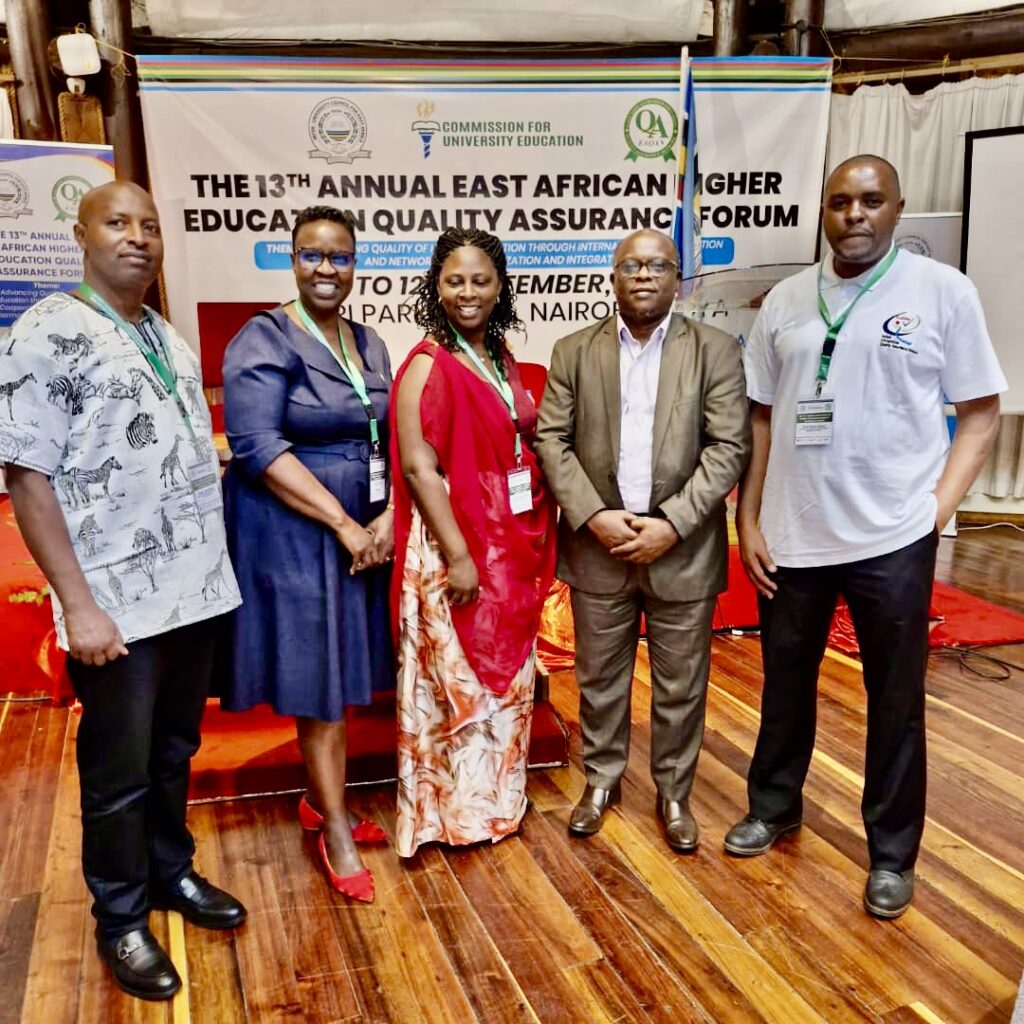
EAQAN held its 13th Annual East African Higher Education Quality Forum between 9th to 13th September 2024 at Safari Park Hotel, Nairobi, Kenya. The theme of the conference was: Advancing Quality of Higher Education through International Cooperation and Networking, Harmonization and Integration. Quality assurance in higher education in Africa and globally has undergone significant transformations since 2010, influenced by various factors including technological advancements, globalization, increasing demand for tertiary education, and changing educational paradigms. One of the most prominent initiatives is the Post-2015 Education Agenda (2015), where UNESCO has emphasized that the main responsibility of higher education institutions is to teach the right things in the right ways in order to produce responsible citizenship. This can only be achieved or reached if Quality Assurance (QA) systems are in place and well managed. The emergence of regulatory agencies on Quality Assurance of Higher Education and the different quality assurance bodies is in response to ensure that the education providers conform to set standards and guidelines and is relevant to addressing contemporary needs. The Inter-University Council for East Africa (IUCEA) is a strategic institution of the East African Community responsible for coordination of quality higher education. IUCEA established a network of Quality Assurance practitioners from universities, largely, and other Higher Education Institutions to champion and regularly deliberate on emerging trends in higher education and on matters geared towards promotion of quality higher education within the region. In this regard, the East African Higher Education Quality Assurance Network (EAQAN) was formally established as an Independent body in 2012 to provide a platform in which practitioners come together on an annual basis to share experiences on areas of common interest in ensuring and managing quality in the institutions. Since then, EAQAN in partnership with IUCEA has hosted twelve (12) annual quality assurance fora in which keynote speakers are invited to discuss pertinent and contemporary matters and issues in higher education. The forum also provides opportunities for members to be trained on topical areas in higher education that are keenly selected to suit the theme of each forum. It also provides an opportunity for networking, sharing experiences through presentation of papers on key issues of quality assurance systems, practices, challenges and prospects in the East African Higher Education area. The culmination of the annual forum is a roundtable high level dialogue involving, high level policy makers from the Ministry in-charge of Education of the partner state hosting the forum, East African national regulatory agencies, member universities, key development partners and IUCEA Secretariat. University of Kigali was represented by the Director of Quality Assurance (DQA), Dr. Elizabeth Owino. Most of the Eastern African Countries (Kenya, Uganda, Tanzania, Congo, Rwanda, Burundi, South Sudan, Somalia, were represented at the conference with each country sending a number of representatives from higher education institutions. This signifies a concerted effort to prioritize and enhance quality and accessibility of all levels of education across the continent. The forum deliberated on the policy dialogue and instruments that are key in the EU-Africa higher education cooperation, DAAD funding possibilities for bilateral cooperation between Germany and East Africa Partner States. EAQAN hopes to explore, strategize, and implement measures that will foster greater collaboration among institutions, transcending traditional barriers for the greater good of global quality education. Harmonization and integration of higher education emphasize the need for synergy among diverse educational systems. Various initiative on African Continental and East African Regional Integration Frameworks for Higher Education were discussed in depth. By aligning internal and external quality assurance systems, the curricula, research agenda, and institutional policies, EAQAN seeks to create a cohesive and harmonized East African, African and global educational ecosystem. This will not only facilitate the mobility of students and academics but will also enrich the fabric of higher education with diverse perspectives.
University of Kigali Wins German Design Award 2025 and Achieves Finalist Status at Italy’s The Plan Awards for Outstanding International Design Quality
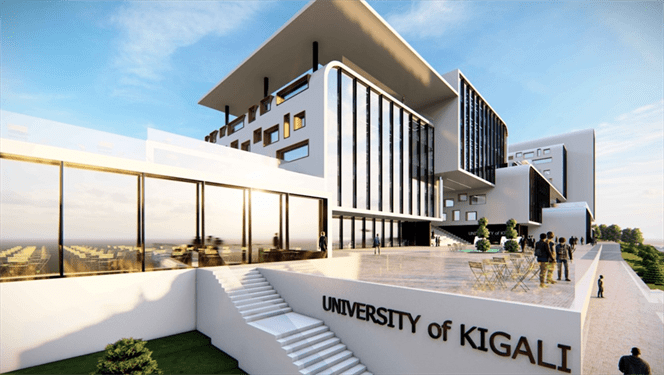
University of Kigali is thrilled to announce that the design for its new campus, developed by the award-winning architectural firm Wall Corporation, has earned significant international recognition. The campus project won the German Design Award 2025 in the Excellent Architecture category and in addition, has been selected as a Finalist among over 1,200 entries in Italy’s prestigious The Plan Awards, a highly respected international architecture competition. These honours reflect University of Kigali’s commitment to excellence and innovative design, providing a contemporary and dynamic learning environment for the students. Both the German Design Award and The Plan Awards are renowned globally, recognizing only the highest standards of design through rigorous evaluation processes. Wall Corporation, known for its exceptional contributions to architecture, has previously earned accolades, such as the World Architecture Awards 2024, for projects like Black Brick Villa, Mountain Spa, and SF Trinity Apartments. This latest recognition reinforces University of Kigali’s campus design as a landmark of architectural excellence. “We are incredibly proud of this achievement and grateful for the expertise of Wall Corporation,” said Professor George Kimathi, Vice Chancellor of University of Kigali. “These international awards motivate us to continue advancing in both academic leadership and architectural innovation.” University of Kigali looks forward to furthering its mission of providing a world-class educational experience and enhancing Rwanda’s profile on the global stage.
University of Kigali appoints Professor George Kimathi as Vice Chancellor
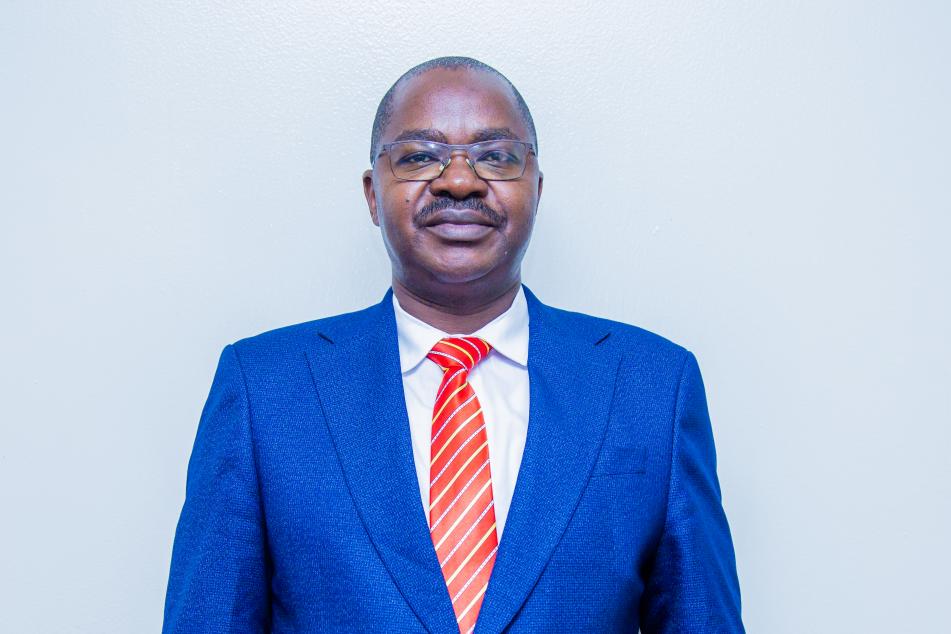
The Governing Body of the University of Kigali (UoK) has appointed Professor George Kimathi, a distinguished academician and researcher with a notable career spanning over two decades in higher education, as the Vice-Chancellor, effective 30th September 2024. Professor George Kimathi holds a Doctor of Philosophy in Applied Mathematics from the University of Nairobi, Masters of Science in Applied Mathematics from the University of Nairobi. Bachelor of Science Degree in Mathematics with Education (Physics and Chemistry) from University of Eastern Africa, Baraton (Kenya), graduating summa cum laude. He also holds a Postgraduate Certificate in Academic Practice from York St. John’s University in the United Kingdom and is a Fellow of the Higher Education Academy (UK). As a Certified Bioethicist, Professor Kimathi has been instrumental in establishing and managing several Institutional Scientific Research Ethics Review Boards (ERBs), ensuring that ethical standards are upheld at all stages of research processes. His extensive body of work includes publications in diverse fields such as Psychology, Ecology, Dynamical Systems, Disease Modelling, and Species Competition. He has also organized and presented papers at numerous prestigious conferences, most recently focusing on the adaptation of artificial intelligence in teaching and learning. He has held numerous leadership positions across several universities, including Ag. Vice Chancellor at the Catholic University of Eastern Africa in Kenya, Deputy Vice Chancellor, University Registrar, Faculty Dean, Head of Department and University Examinations Officer. In these positions, he has effectively streamlined university processes and operations, which has resulted in improved efficiency in handling matters that affect the well-being of students and staff. Throughout his career, Professor Kimathi has made significant contributions to teaching, research, and academic administration, playing a crucial role in shaping the academic landscape of the institutions he has served. His exceptional performance is underscored by his involvement in various committees, including: Trainer of Trainers for the Kenya Education Network Remote Teaching; Chair of the Students Recruitment, Admissions, and Progression Policy Development Committee; Member of the University Procurement Committee; Consultant for the Catholic University ERP development team; Member of University Graduation Committees across several universities; Chairman of the Faculty Student Academic Disciplinary Appeals Committee; Consultant for CUEA University Online Teaching; Chair/Member of numerous University Staff Disciplinary Committees; Chairman of the University Staff Development Committee. Professor Kimathi is deeply committed to mentorship and the development of future scholars. He has guided many graduate students through the complexities of academic research, encouraging them to enthusiastically pursue their passions. His dedication to teaching is evident in his dynamic classroom presence, where he employs innovative instructional strategies to engage students and foster critical thinking. He has successfully supervised many Master’s and PhD students to completion. Recognized for his leadership and contributions to academia, Professor Kimathi has received several accolades throughout his career. He actively participates in various professional organizations and academic committees, contributing to the advancement of educational standards and practices. His commitment to excellence in education is further demonstrated through his involvement in community outreach programs, advocating for access to quality education and the empowerment of underrepresented groups. Professor Kimathi is a highly competent analyst of big data, equipped with extensive training in various data analytics tools, including PowerBI. His proficiency in these platforms has enabled him to effectively interpret complex datasets and extract meaningful insights that inform decision-making processes. Through his analytical skills, Professor Kimathi has successfully applied statistical methodologies to a range of research projects, enhancing the quality and impact of his findings. His ability to visualize data trends and patterns not only contributes to his own research but also serves as a valuable resource for colleagues and students, fostering a data-driven culture within the academic community. Professor Kimathi is a prominent figure in the academic community, renowned for his unwavering commitment to academic excellence, innovative research, and dedication to mentorship. He remains a pivotal force in shaping the future of higher education in the region, inspiring countless students and colleagues along the way.
University of Kigali appoints Professor Margaret Oloko as Deputy Vice Chancellor Academics (DVCA)
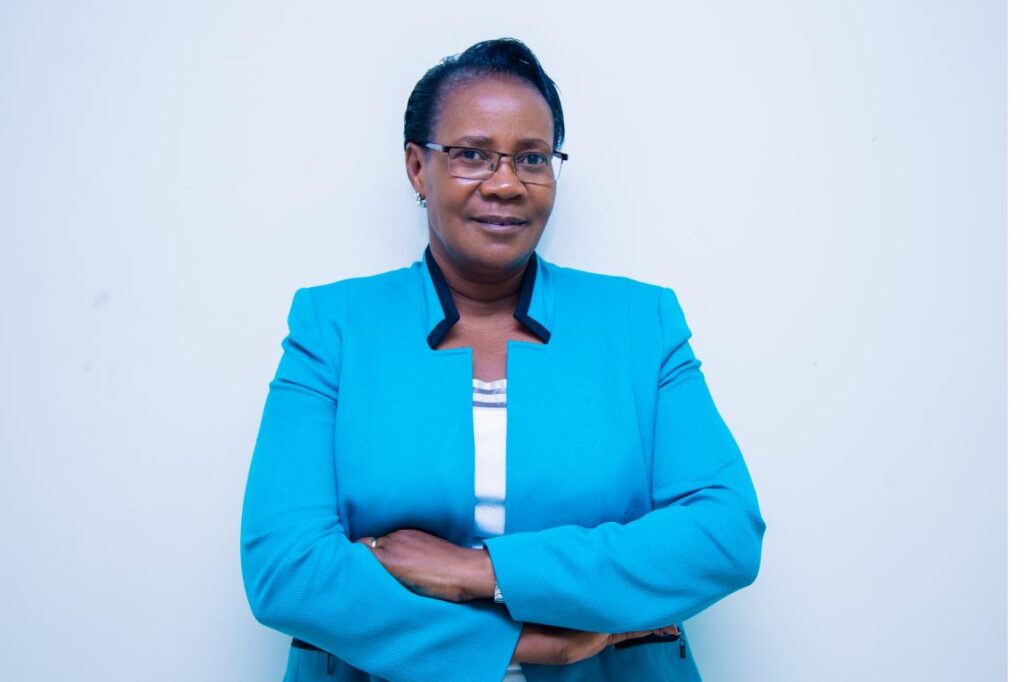
The Governing Body of the University of Kigali (UoK) has appointed Professor Margaret Oloko as the Deputy Vice-Chancellor – Academics (DVCA), effective 1st October 2024. Professor Margaret Oloko is an Associate Professor of Business Administration, an accomplished scholar, with a career in teaching and research spanning almost twenty years. She holds a Doctor of Philosophy (Global Business Management), Master of Business Administration (Marketing) and Bachelor of Commerce (Marketing), all from the University of Nairobi, Kenya. She has served in various leadership positions as the examination officer, Chairperson of a Department and Dean of a School. While serving in these positions, Professor Oloko was part of various policy and decision-making committees, i.e., the University Senate, Dean’s Committee, Strategic Planning Committee, Resource Mobilization Committee, Commercialization Sub-Committee, Disciplinary Committee, Curriculum Development and Curriculum Review committees, Examination and Medical policies, among others. In addition, she is also a member of various secondary school boards and alumnae associations in Kenya. Professor Oloko also acts as an external examiner to various universities and an external assessor for various intuitions for staff promotion. Professor Oloko has successfully supervised more than ninety-five (95) students both at Doctoral and Master’s Levels to completion, out of which thirty five (35) are at the Doctoral level. She has also published widely with approximately one hundred and thirty (130) articles in the peer-reviewed journals. She has also authored two university-level books. Her areas of expertise include Global/international business, Marketing, Strategic Management, Leadership and Governance, Entrepreneurship and Business Development, with specific interests in organizational design. She is also a member of Marketing Society of Kenya, Kenya Institute of Management and Women Economic Researchers of Kenya, where she is the current co-chairperson of the Governing Board. Professor Oloko is a highly visionary, result-oriented, transparent, decisive, creative and innovative leader who exhibits high-level integrity with great interpersonal and communication skills. In addition, she has extensively undertaken a leadership course (and now, a Facilitator/Trainer in the same) entitled Being a Leader and the Effective Exercise of Leadership as one’s Natural Self-Expression: The Ontological/Phenomenological Perspective. Professor Oloko is committed to making a significant impact as she assumes the role of Deputy Vice Chancellor Academics at University of Kigali.
University of Kigali Appoints Dr. Samuel Sindayigaya as Associate Deputy Vice Chancellor of Academics (ADVCA)
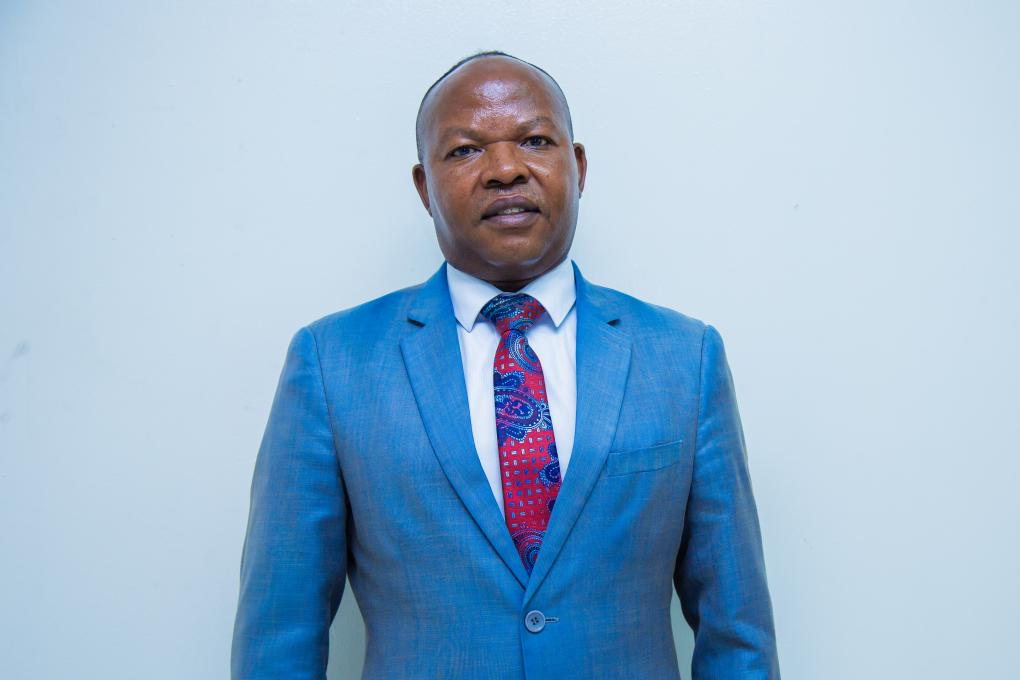
The Governing Body of the University of Kigali (UoK) has appointed Dr. Samuel Sindayigaya as an Associate Deputy Vice Chancellor of Academics (ADVCA), effective 30th September 2024. Dr. Samuel Sindayigaya holds a Doctorate in Statistics with specialization in stochastic population processes, a Master’s degree in mathematical statistics from Masinde Muliro University of Science and Technology (Kenya) and his PhD in Statistics from the same university in 2017 under the scholarship of Government of Rwanda and DAAD respectively. He is a Senior Lecturer of Statistics & Probability, specifically in the area of Statistical Modelling and population stochastic processes. He has served in different universities as lecturer of mathematics and statistics, including ULK, University of Kigali, INES-Ruhengeri, Mount Kenya University, Jomo Kenyatta University of Agriculture and Technology, University of Kigali and Potsdam University (Germany). He has extensive experience in academic administration, where he began as the Head of Department of Statistics Applied to Economy, the Dean of Faculty of Applied Fundamental Sciences (AFS) and the Deputy Vice Chancellor of Academics & Research at the Institut d’Enseignement Supérieur de Ruhengeri (INES-Ruhengeri) up to September, 2024. Dr. Sindayigaya has also served in Higher Education Council, Rwanda for almost a decade. As a consultant, he undertook did numerous assignments in different institutions and Ministries in Rwanda, including the National Institute of Statistics of Rwanda, Rwanda Higher Education Council, Ministry of Llocal Government, the Rwanda Public Service Commission, as well as in the Ministry of Youth. He has previously collaborated with other international scholars from different recognized universities and done several presentations and seminars, mostly at German universities, notably at the Ludwig Maximillian University of Munich, Mannheim University and Potsdam University. His research focuses on population stochastic process, demographic measures and modeling, branching process, statistical modeling and sampling techniques. In academia, Dr. Sindayigaya has developed different academic programs related to data science and statistics for both undergraduate and master’s levels. He has completed a Postdoctoral Fellowship at the Institute of Mathematics, University of Potsdam, Germany and also published a number of papers on Population Modeling and Dynamism, Population Stochastic Process with Genocide Incidence.He is the author of “A Novel Statistical Model for Poverty Estimation”. Known for his dedication, results-oriented approach, and time management skills, Dr. Sindayigaya now re-joins the University of Kigali in his new role as Associate Deputy Vice Chancellor of Academics.
University of Kigali Staff Attend Virtual Learning Guidelines Workshop
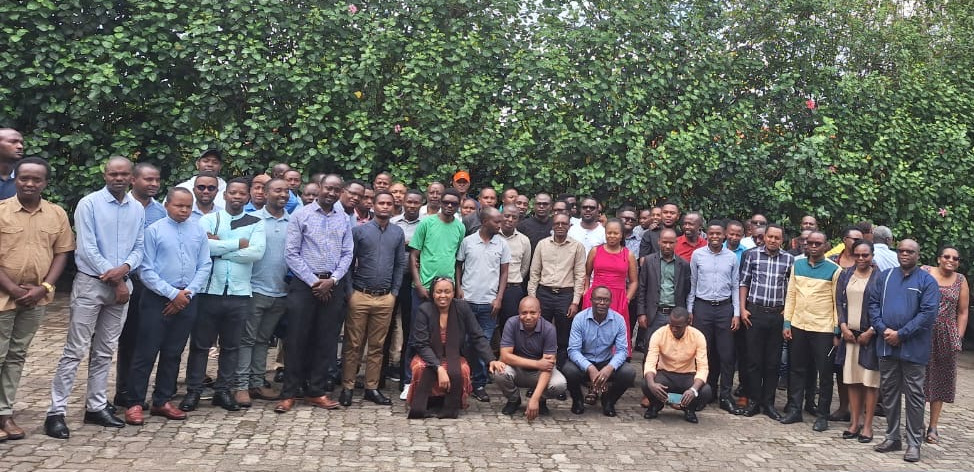
The Director of Quality Assurance, Dr. Elizabeth Owino and Mr. Jean Paul Nizeyimana of School of Computing and Information Technology (SCIT) attended a workshop on ‘GUIDELINES AND ASSESSMENT TOOLS FOR VIRTUAL LEARNING WITHIN RWANDA HIGHER LEARNING INSTITUTION AT MUSANZE, between 27TH to 30TH AUGUST 2024. attended by over 70 Quality assurance Directors and Virtual Learning Champions from Higher Learning Institutions in Rwanda. The purpose of the training was to learn how to use the different guidelines and assessment tools for effective virtual learning. The Ministry of Education requires that higher education institutions have appropriate teaching and learning infrastructure and facilities for both physical and virtual learning in order to deliver quality education.
AfricaLive Interview with Prof. Felix Maringe, Acting Vice-Chancellor(DVC-IDRI), and CPA Dorcas Kamau, Director of International Affairs and Partnership, University of Kigali, Rwanda.
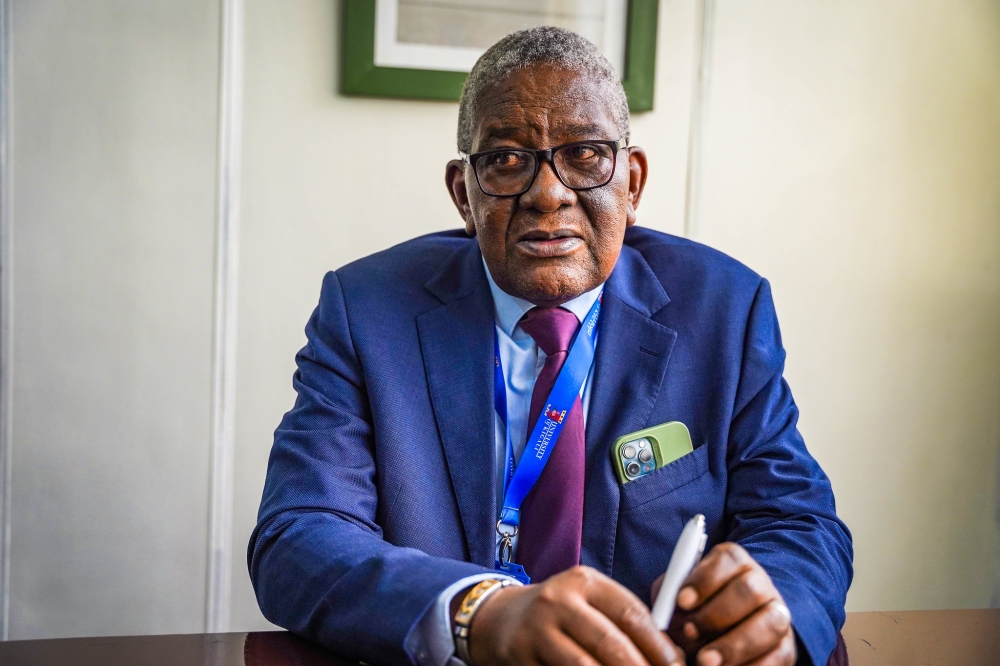
“We need to democratise the idea and thinking around innovation to create more space for thinking by more people. This involves adopting ideas that have not been done in our own spaces but have the potential to distribute value to the people.” – Prof. Felix Maringe Key Points: In the context of Rwanda’s rapidly growing youth population and the need for economic diversification, the University of Kigali’s philosophy is centred around preparing students for future roles in the labour markets, considering the influence of artificial intelligence and the internet of things. The University emphasises the importance of placing humans at the centre of decision-making when it comes to emerging technologies, while leveraging technology to facilitate processes and achieve goals. The University of Kigali is working on expanding access to education and entrepreneurship opportunities for the youth in Rwanda, recognizing the need for new curricula and skill development. The University is developing a Green University project, focusing on green construction, education, research, and community engagement, to promote sustainability and environmental consciousness. AfricaLive: Prof. Maringe, could you briefly summarise what you consider the educational identity or philosophy of the University of Kigali to be? Prof. Felix Maringe: The philosophy or identity of the University of Kigali stems from its motto, which is preparing people for their future roles in the labour markets. Our degree programs focus not just on the state of the labour markets today but also try to create perspectives and insights into what the labour markets are likely to be. Our thinking around future labour markets is strongly influenced by issues related to artificial intelligence and the internet of things, and how these dimensions of progress are likely to alter the labour markets. That becomes the backbone of the University of Kigali – preparing students for the labour markets of the future. AfricaLive: How do you believe that when it comes to the Fourth Industrial Revolution and emerging technologies, the human can be placed at the centre of development rather than the machine or the corporation? Prof. Felix Maringe: The human should always be at the centre of our decisions. It should not be the technology that makes decisions on our behalf. We should be able to say how much technology we want and the direction we would like technology to help us with. Strategic decisions about where we want to go, how we want to do it, and with whom we are going to work should remain the prerogative of human beings. We see humans occupying a very important role in the future labour markets, with technology also playing an extremely important role in facilitating the decisions we want to make, the processes we want to accomplish, and the speed with which we want to get our results. However, we need to be mindful of the waste materials produced as a result of processes happening too quickly and think sufficiently about their disposal or recycling. AfricaLive: How is the University of Kigali working to expand access to education and ensure that the youth have the opportunity to pursue quality skills development or higher education? Prof. Felix Maringe: This question is important not just for the University of Kigali but for all Universities in Rwanda. The demand for higher education far outstrips the supply of places and opportunities for young people. As a collective within Rwanda, our Universities need to do more to expand opportunities for young people to join Universities. However, it should not just be about joining Universities. It should also be about joining opportunities for becoming entrepreneurs. Universities in Rwanda and Africa, in general, have not been highly successful in teaching the skills and knowledge required by young people to be entrepreneurs. We need to turn our attention to ways in which we can create new curricula and opportunities for our youth to influence and affect development markets. AfricaLive: How do you seek to develop a culture of innovation or entrepreneurship on the campus at the University of Kigali? Prof. Felix Maringe: The word “innovation” often instils fear, as it appears to be something that can only be done by a few in the top 10-15% of our population. However, innovation is, to a large extent, adopting ideas that may have been tried elsewhere but never in our own context. When we adopt these ideas because we believe they will bring value and opportunity to our context and add quality of life to a large group of people, we are innovating. We need to democratise the idea and thinking around innovation to create more space for thinking by more people. This involves adopting ideas that have not been done in our own spaces but have the potential to distribute value to the people. Of course, groundbreaking new ideas should also be allowed space and funding whenever they are innovative. AfricaLive: What are the flagship projects at the University of Kigali that you would like to draw attention to? Prof. Felix Maringe: One flagship project we are developing is the notion of the Green University. We have strategically decided to become a Green University, coinciding with the construction of our new campus. Our Green University concept is built around four pillars: Green construction: Using materials with smaller carbon footprints. Green education: Aiming to become a paperless University within the next three years. Green research: Leading thinking around the growth of green finance, human resources management, and green curricula across different disciplines. Green community engagement: Making the community an integral part of our research and innovation processes, moving away from treating them merely as subjects or objects of research. Dorcas Kamau: I’d like to add that we have made deliberate efforts to achieve zero waste reduction, appreciating our country’s initiatives in reducing waste and promoting recycling. We have set aside an area in our new campus to showcase our zero waste efforts. Another aspect is taking care of biodiversity. Rwanda has done much in this regard, such as incorporating the Green City Kigali. We have also set
University of Kigali Directorate of Research and Innovation Embarks on a Green Initiative with Smart Irrigation Systems to Support Sustainable Agriculture in Rwanda
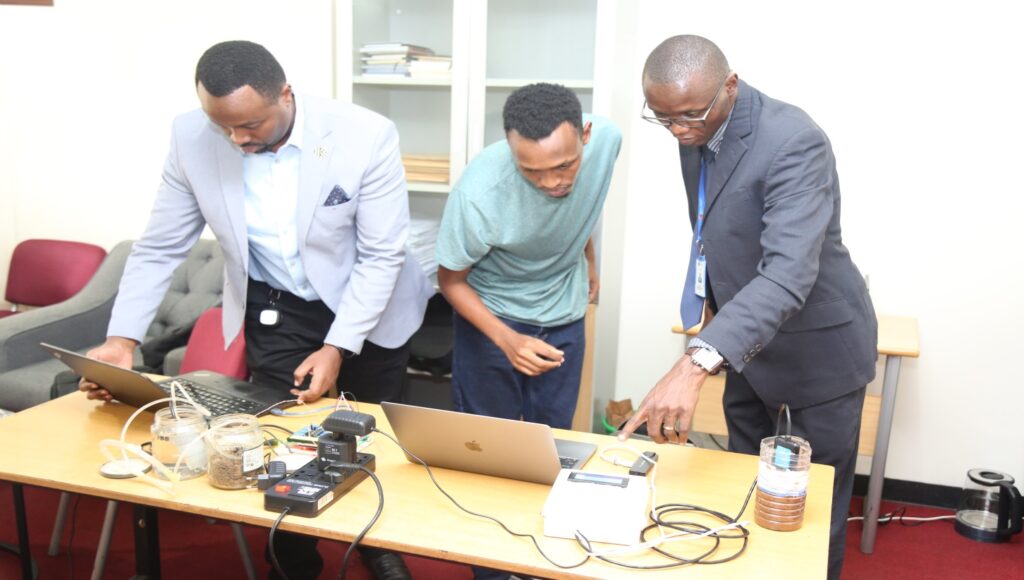
The University of Kigali (UoK) Directorate of Research and Innovation has announced an innovative project aimed at developing and implementing smart irrigation systems across Rwanda, marking a significant step towards becoming a green university. This groundbreaking project, spearheaded by UoK researchers, is set to revolutionize the country’s agricultural landscape by enhancing water management, increasing crop yields, and promoting sustainable farming practices. The project also includes an export component to connect farmers with export markets. The initiative aligns closely with Sustainable Development Goal 2 (SDG-2) that seeks to End hunger, achieve food security and improved nutrition and promote sustainable agriculture and Rwanda’s National Strategy for Transformation (NST) and Vision 2030, emphasizing the University’s commitment to sustainable development and its ambition to contribute to the nation’s growth. The Smart Agriculture Irrigation Project Prototype Transforming Agriculture with Smart Irrigation Agriculture is a cornerstone of Rwanda’s economy, providing livelihoods for a large portion of the population. However, traditional irrigation practices in Rwanda have been plagued by challenges such as water scarcity, inefficient water use, and labor-intensive processes. Addressing these challenges, UoK is leading an initiative to introduce smart irrigation systems that leverage cutting-edge technology to optimize water use and improve agricultural productivity, all while supporting the nation’s sustainable development goals. During the launch of the project, Professor Felix Maringe, the Deputy Vice Chancellor for Institutional Development, Research, and Innovation at UoK, emphasized the critical role agriculture plays in Rwanda’s economy. He noted that the introduction of smart irrigation systems would significantly improve water management and agricultural efficiency, which are vital to achieving food security and promoting sustainable agricultural practices—a key focus of SDG-2. Harnessing Advanced Technology for Sustainability The smart irrigation systems being developed by UoK researchers will incorporate state-of-the-art technologies such as soil sensors, moisture sensors, and automated controls connected to GSM networks. Dr. Kwena Ronald, the Director of Research and Innovation at UoK, explained that these technologies would allow farmers to precisely manage water distribution, ensuring crops receive the exact amount of water needed. This precision not only reduces water waste but also conserves vital resources, aligning with the University’s green vision and Rwanda’s broader sustainability goals. Leading the research and development efforts are key members of UoK’s technical team, including Dr. Musoni Wilson, a Computer Science expert and Dean of the School of Computing and Information Technology, alongside Brice Rukirande, a Master of Science in Information Technology graduate, and Eddy Kayiganwa, a Bachelor of Science in Computer Science student. Together, they are leveraging UoK’s academic expertise to design and customize irrigation solutions tailored to Rwanda’s diverse agricultural needs, providing technical support and strategic guidance to ensure the effective deployment of these systems. Capacity Building and Community Empowerment In addition to technological advancements, the project will focus heavily on capacity building. Farmers and agricultural professionals will receive comprehensive training on the operation and maintenance of smart irrigation systems. As Dr. Musoni Wilson highlighted, this training will empower farmers with the knowledge and skills needed to manage water resources sustainably, thereby improving crop yields and contributing to the nation’s food security goals. The project will begin with pilot implementations in select regions across Rwanda, chosen for their varying climatic and soil conditions. These pilot projects will serve as testing grounds for the smart irrigation systems, providing valuable data on their effectiveness and scalability. Monitoring and evaluation will be integral components of the project, with ongoing data collection and analysis helping to refine irrigation practices and address any emerging challenges. Scaling Up for Greater Impact Based on the success of the pilot projects, UoK aims to scale up the deployment of smart irrigation systems to additional regions, further expanding the reach and impact of this innovative approach to water management and agriculture. The anticipated outcomes of the project include a significant reduction in water usage, enhanced crop yields, and the promotion of sustainable agricultural practices—key elements of Rwanda’s NST and Vision 2030. By optimizing water distribution and improving irrigation efficiency, the project will play a crucial role in enhancing food security and fostering economic development in Rwanda. Moreover, the initiative aligns with the country’s broader goals of sustainable development and climate resilience, equipping farmers with the tools they need to adapt to changing environmental conditions. A Model for Future Agricultural Development The smart irrigation project at UoK will be funded through a combination of resources from the University, local, and international donors. The estimated budget will cover technology development, pilot implementation, capacity building, monitoring and evaluation, and dissemination of findings. By harnessing advanced irrigation technology, the initiative not only aims to improve agricultural productivity but also to promote sustainable farming practices, contributing directly to SDG-2 by helping to end hunger, achieve food security, improve nutrition, and promote sustainable agriculture. As Rwanda continues to prioritize innovation and sustainability, this collaboration between UoK and its partners offers a promising model for future agricultural development. “This project represents a significant step forward in the modernization of Rwanda’s agricultural sector and contributes directly to SDG-2, aligning with the nation’s goals of sustainable development as outlined in Vision 2030,” Dr. Kwena emphasized. Enhancing Rwanda’s Agricultural Export Potential: The University of Kigali’s Logistics Export Unit Dr. Kwena also indicated that the University of Kigali (UoK) seeks to establish a Logistics Export Unit aimed at enhancing the export of Rwandan rural agricultural produce to European and Asian markets. This unit will address existing challenges in the logistics and export sectors, such as inadequate infrastructure, lack of market access, and limited capacity among rural farmers. By leveraging UoK’s academic and research strengths, the Logistics Export Unit will create a sustainable export framework that benefits both the rural farming communities and Rwanda’s economy. This proposal outlines the key objectives, activities, and budget requirements for the project, with the aim of securing funding from international donors, development organizations, and private sector partners.
University of Kigali International Students Visit National Museum in Butare, Huye District
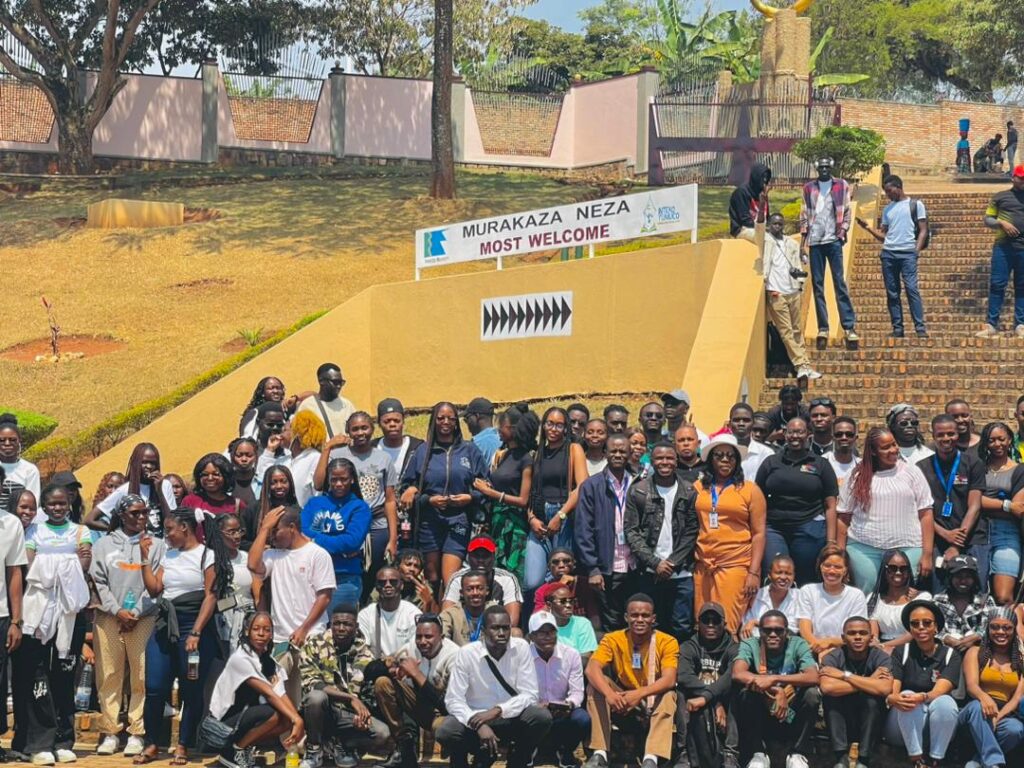
August 2, 2024, marked a significant day for University of Kigali’s international students as they embarked on an enlightening trip to the National Museum in Butare, Huye District. The students, accompanied by key university officials—Dean of Students Ms. Virginie Mukasonga, Head of International Students Mrs. Africa Ladouce, Marketing Manager Mr. Jean Pierre Kayiranga, and Sports and Culture Officer Mr. Innocent Mwiseneza—departed the campus at 7:15 AM. Joined by members of the student guild council and escorted by the Rwanda National Police, the group arrived at the National Museum around 11:00 AM. A Journey Through Rwanda’s Rich Cultural Heritage Upon arrival, the students were warmly welcomed by the museum staff and treated to a guided tour. The museum’s exhibits offered a deep dive into Rwanda’s early history, traditional lifestyles, and cultural artifacts. The students were particularly fascinated by the displays of ancient tools, traditional clothing, and historical photographs, gaining a deeper understanding of the nation’s cultural heritage. Engagement with the Institute of Legal Practice and Development (ILPD) In addition to the museum visit, the group made a stop at the Institute of Legal Practice and Development (ILPD). There, law students were provided with valuable insights into the application process and the benefits of the ILPD program, equipping them with essential information for their future careers in the legal field. Positive Reflections and Future Prospects The students expressed their gratitude for the opportunity to explore Rwanda’s rich history and cultural legacy. Feedback collected from the participants highlighted their enthusiasm and the educational value of the experience. The day concluded with the return to campus at 6:15 PM, leaving the students with lasting memories and a broadened perspective. University of Kigali remains committed to providing its students with enriching experiences that go beyond the classroom.