THE UNIVERSITY OF KIGALI IS NOW A CISCO CENTER
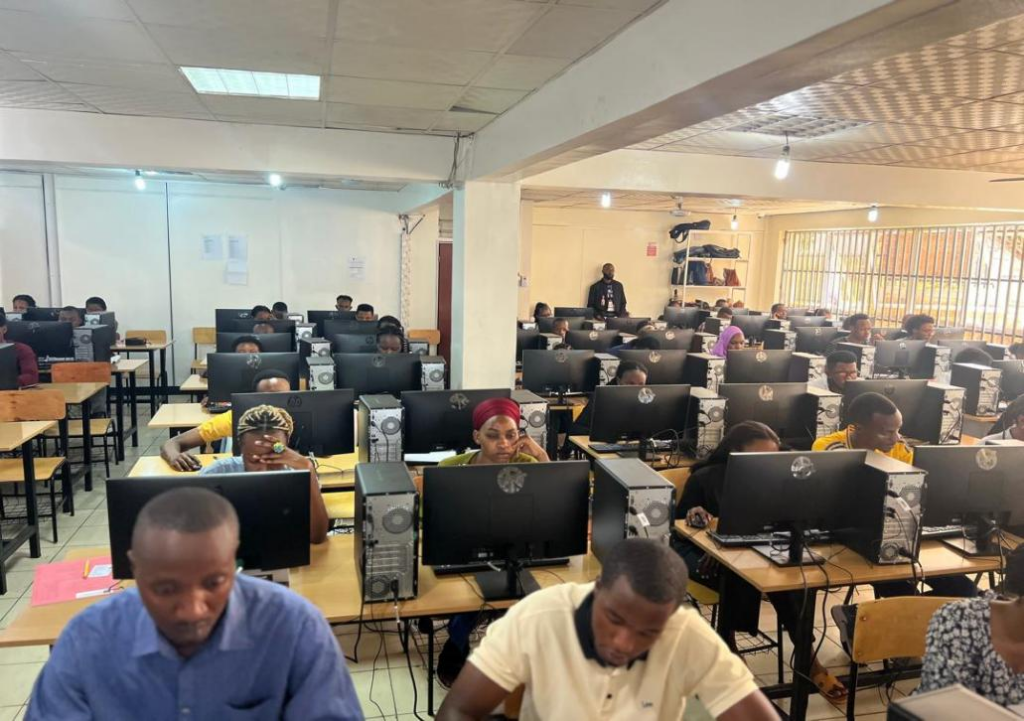
University of Kigali Vice-Chancellor Professor George Kimathi The University of Kigali officially launched the Cisco Certified Network Associate (CCNA) and Cisco Certified Network Professional (CCNP) programs. Launching these certification programs results from a strategic partnership between the University of Kigali and Cisco. Through this partnership, the University accesses Cisco’s extensive educational resources, including e-learning modules, simulation tools, and the latest networking equipment. This collaboration also enables students to gain insights into current industry practices and connect with a network of professionals and organizations worldwide. UOK’s Vice-Chancellor Professor George Kimathi, lauded the University of Kigali for this initiative, stating, “The University of Kigali’s commitment to developing digital skills aligns with our nation’s vision of becoming a technology-driven economy. By offering globally recognized certifications such as CCNA and CCNP, the University is actively contributing to Rwanda’s growing reputation as a regional hub for innovation and digital transformation.” Career Support and Opportunities for Graduates In addition to offering the certifications, the University of Kigali has introduced career support services specifically tailored for CCNA and CCNP graduates. These services include job placement assistance, career counseling, and networking events. The University will also collaborate with local and international companies to facilitate internships, giving students an invaluable opportunity to gain practical experience before entering the workforce. Moreover, the University plans to establish an Alumni Network for its CCNA and CCNP graduates. This network will serve as a platform for graduates to exchange ideas, seek mentorship, and stay updated on industry trends. UoK aims to foster a culture of continuous learning and professional growth by building a supportive community. The Dean of the School of Computing and Technology at UoK, Dr. Musoni Wilson. Dr. Musoni Wilson, Dean of the School of IT and Computing at the University of Kigali, expressed his enthusiasm for the new programs. “The launch of the CCNA and CCNP programs is a monumental step forward in our commitment to equip students and professionals with skills that meet global standards,” he said. “In today’s digital economy, networking is foundational, and we aim to prepare our graduates not only to excel in Rwanda’s tech sector but also to compete on an international level.” In a significant move toward empowering Rwanda’s IT professionals and fostering a robust technological workforce, the University of Kigali (UoK) has officially launched the Cisco Certified Network Associate (CCNA) and Cisco Certified Network Professional (CCNP) certification programs. This initiative, spearheaded by the School of Computing and IT, is aligned with the country’s Vision 2050 agenda to promote digital transformation and cultivate skilled professionals capable of meeting modern IT challenges. With the rise in demand for networking skills in Africa, the launch of these globally recognized programs is set to open numerous opportunities for students, professionals, and the broader tech ecosystem. Significance of CCNA and CCNP Certification Programs Cisco certifications such as CCNA and CCNP are recognized as industry-leading credentials in networking and IT infrastructure. The CCNA program is tailored for beginners and intermediate-level professionals, covering core networking concepts, IP services, security, and automation. The CCNP program, on the other hand, dives deeper into advanced topics, including enterprise networking, automation, and programmability, preparing candidates for senior roles in the IT industry. By launching these programs, the University of Kigali addresses the pressing need for network engineers, cybersecurity professionals, and IT managers who are proficient in setting up, securing, and managing complex networks. Impact on Rwanda’s ICT Sector With the Rwandan government’s goal to create a digitally savvy workforce, the CCNA and CCNP certification programs at the University of Kigali will play a pivotal role in nurturing the next generation of tech talent. The certifications not only build foundational skills but also empower individuals to tackle Rwanda’s unique challenges in IT and cybersecurity. The University expects a significant rise in the number of skilled professionals ready to support sectors like healthcare, education, and finance, thereby accelerating the nation’s overall digital economy. The University’s CCNA and CCNP programs will also have a positive impact on local organizations, as businesses will have access to a pool of certified professionals who can implement and maintain secure, efficient networks. The programs will also contribute to reducing Rwanda’s reliance on foreign IT specialists by developing homegrown talent capable of leading complex networking projects. Ongoing new Campus building projects of the University of Kigali(UOK). The University of Kigali (UoK) is embarking on an exciting series of campus building projects designed to accommodate its growing student population and establish world-class educational facilities. These new developments not only cater to the expanding demand for higher education in Rwanda but also reflect UoK’s commitment to providing students and faculty with state-of-the-art facilities that inspire learning, innovation, and collaboration.
University of Kigali leaders share vision amid academic year kick-off.
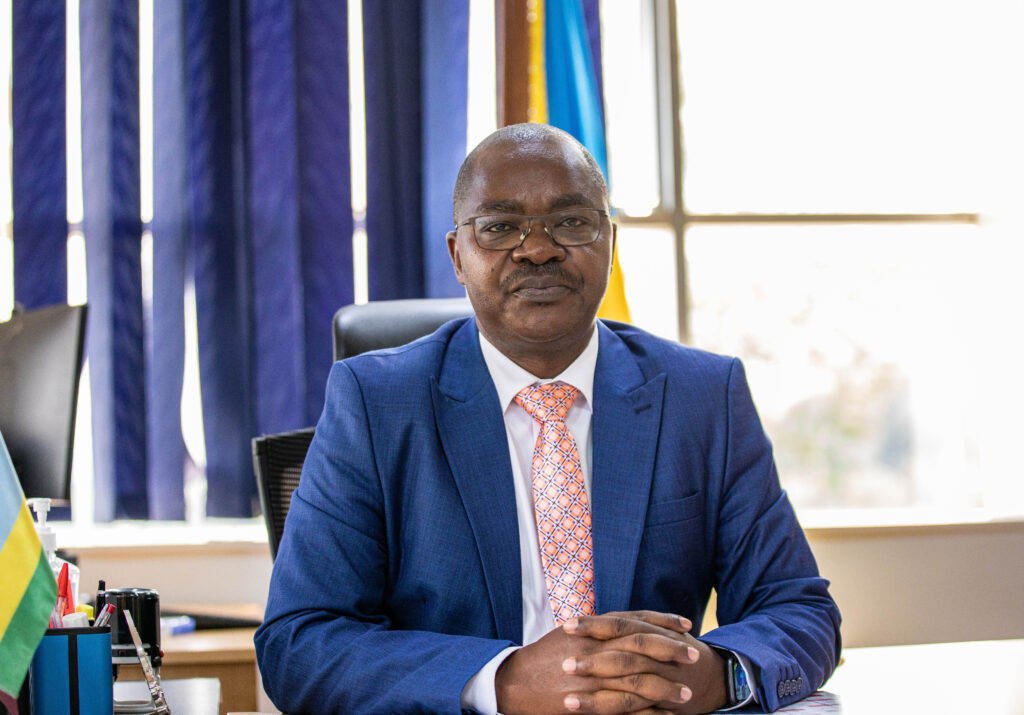
University of Kigali Vice Chancellor Professor George Kimathi, during the interview. A new chapter is unfolding at the University of Kigali. As the academic year begins, recent leadership changes mark a turning point for the 11-year-old institution, already recognised as a key player in Rwanda’s higher education landscape. On a warm Tuesday morning, the Kacyiru campus buzzed with activity—students focused on classes and faculty engaged in their work, with Continuous Assessment Tests (CATs) around the corner. Against this backdrop, we sat down with the university’s new leadership team: Professor George Kimathi, Vice Chancellor; Professor Margaret Oloko, Deputy Vice Chancellor for Academics; and Professor Samuel Sindayigaya, Associate Deputy Vice-Chancellor. Professor George Kimathi, who assumed his role as Vice Chancellor in October, clarified his priorities. “I aim to enhance academic excellence, promote research and innovation, engage the community, and ensure the financial sustainability of the university,” he said. He is committed to improving the quality of education by implementing a thorough accreditation process for new programmes, in line with the standards set by the Higher Education Council of Rwanda. Kimathi also highlighted plans for faculty development, with training sessions scheduled later this month. “We want to support our faculty in adopting innovative teaching methods, including the integration of technology,” he explained. His vision includes ensuring that each course offers an online component, providing students with easy access to course materials. Research is another key focus for Kimathi, who aims to position the university as a centre for addressing local and regional challenges. “We’re working to establish research centres that can contribute meaningful insights to the issues facing our communities,” he said, outlining a practical approach to fostering both academic growth and real-world impact. Kimathi expressed his desire for students to participate in service-learning projects, and to facilitate partnerships with non-governmental organisations and community groups. “This mutual collaboration benefits everyone involved,” he noted. “We need to diversify revenue streams to maintain the university’s financial health,” he explained. Strategies include exploring grants, donations, and sponsorships, as well as developing short courses and professional training programmes that cater to market needs. “I want to enhance our global engagement by increasing the university’s international presence,” Kimathi continued. He aims to establish exchange programmes and partnerships with foreign institutions, as well as participate in international conferences to showcase research and programmes. “For instance, two of our faculty members recently returned from West Africa after presenting their research findings, and others are currently in Europe for exchange programmes,” he shared, highlighting the ongoing international collaborations. “Embracing technology will improve both learning and administrative processes,” he said, citing plans for investment in modern IT infrastructure and digital learning tools. “We are implementing an enterprise resource planning system based on Microsoft Dynamics 365 to centralise all university processes—be it academics, finance, or procurement.” “This is an absolute priority for me during my tenure,” he concluded. “If we implement these goals effectively, we can significantly enhance the University of Kigali’s reputation, relevance, and impact in both the local and global educational landscape. Fostering student success: Engagement and industry collaboration. Professor Margaret Oloko, Deputy Vice-Chancellor Academic, addressed the pressing issue of student engagement amid rising dropout rates. “My goal is to create a supportive learning environment where every student feels valued and engaged,” she explained. “I want to encourage students to develop personal objectives for their time at the university, emphasizing their ownership of their academic journey.” Professor Margaret Oloko, Deputy Vice Chancellor for Academics speaks to The New Times in Kigali Oloko stressed the importance of open communication. “It’s vital that students receive timely information about university matters and feel empowered to share their views. After all, their experiences are at the heart of our mission,” she added. “Without students, the university wouldn’t exist. Therefore, I plan to implement various active learning strategies that encourage active participation and creativity in the classroom.” Reflecting on Rwanda’s evolving educational landscape, I asked how the University of Kigali manages its increasingly diverse student body. “We have students from a wide range of cultures, countries, and languages,” she acknowledged. “Embracing this diversity is key to our long-term survival. Understanding where our students come from is essential to fostering an inclusive environment.” She emphasised her commitment to respecting each student’s culture: “I want to inculcate a family-like atmosphere where everyone feels appreciated, regardless of one’s background or origin. We all must strive to respect cultural differences while ensuring every student has the opportunity to contribute meaningfully. This diversity will undoubtedly enrich the university community and create a comfortable environment where everyone is valued.” Asked about the growing concern around universities producing graduates whose skills don’t always align with the demands of the job market, and how she plans to bridge this gap, Professor Oloko said: “First and foremost, I recognise the importance of partnering with industry. For a long time, universities and industries have been operating separately, with little collaboration. My goal is to close this gap and create stronger partnerships so that what we teach directly addresses real-time world challenges.” Oloko explained her vision for deepening students’ involvement in the workforce. “My resolve is to enhance existing partnerships and establish new ones, ensuring students aren’t just learning in classrooms, but gaining hands-on industry experience. Through internships and attachments, students will have an opportunity to tackle real industry problems necessary for economic development.” She also stressed the importance of involving faculty in this process. “Our faculty would also have an opportunity to engage with industries as well, learning about current trends and challenges and bringing that knowledge back to the university. This way, our academic programmes can evolve in step with industry needs.” Oloko’s commitment extends to the research sector, where she believes universities play a critical role in solving societal issues. “We need to ensure that our research does not just remain on the shelves. It’s about disseminating research findings and being part of the solution affecting society at large. Her vision is clear: “We are here to excel in academics and provide
The University of Kigali is excited to announce an upgrade to its internet infrastructure from 200 Mbps – 500 Mbps.
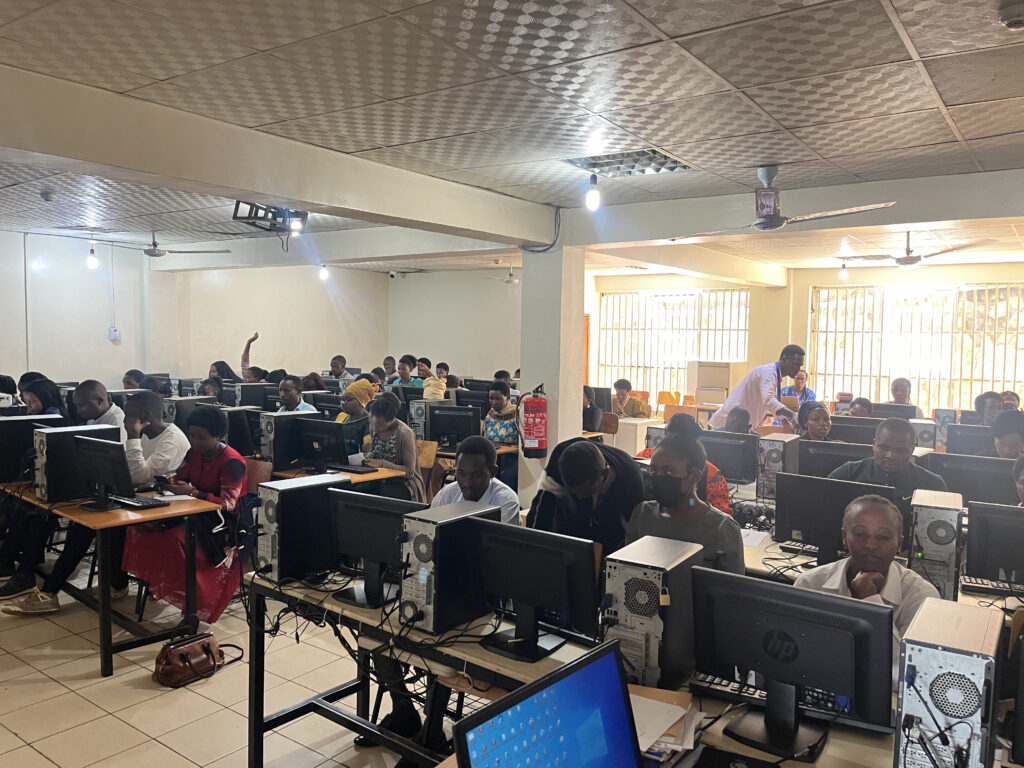
The University of Kigali is excited to announce an upgrade to its internet infrastructure, increasing internet speeds across the main campus, located at Prester House in Kacyiru, Gasabo District, near Kigali Heights, and the Musanze Campus to support the ever-changing needs of students and staff. This enhancement is part of the university’s ongoing commitment to providing a top learning educational environment that embraces innovations. The upgraded internet service will see speeds increase from 200mbps to 500mps, allowing for faster downloads, streaming, and improved connectivity during online classes and research activities. “We know how critical reliable internet access plays in our university,” said Professor George Kimathi, University of Kigali Vice-Chancellor. “This upgrade will not only facilitate better learning outcomes but will also enhance the overall campus experience by allowing for seamless connection for our students and staff.” The upgrade is set to benefit the University of Kigali through; Faster internet speeds will support online learning platforms, allowing students and fstaff members to access educational resources without interruptions. Students and researchers will benefit from quicker data uploads and downloads, facilitating collaboration both on and off campus. Increased speeds will ensure that all students and staff can connect simultaneously, even during peak usage times. The upgraded service began on 21/10/2024 and is expected to be fully operational by 22/10/2024. The university is working closely with Liquid Telecom to ensure a smooth transition and minimal disruption to campus activities. For more information about the internet speed upgrade and other technology initiatives at the University of Kigali, please visit https://uok.ac.rw/ or contact- +250788303386,+250789009221
Visiting Lecturer Experience: A Journey to Ostrava University.
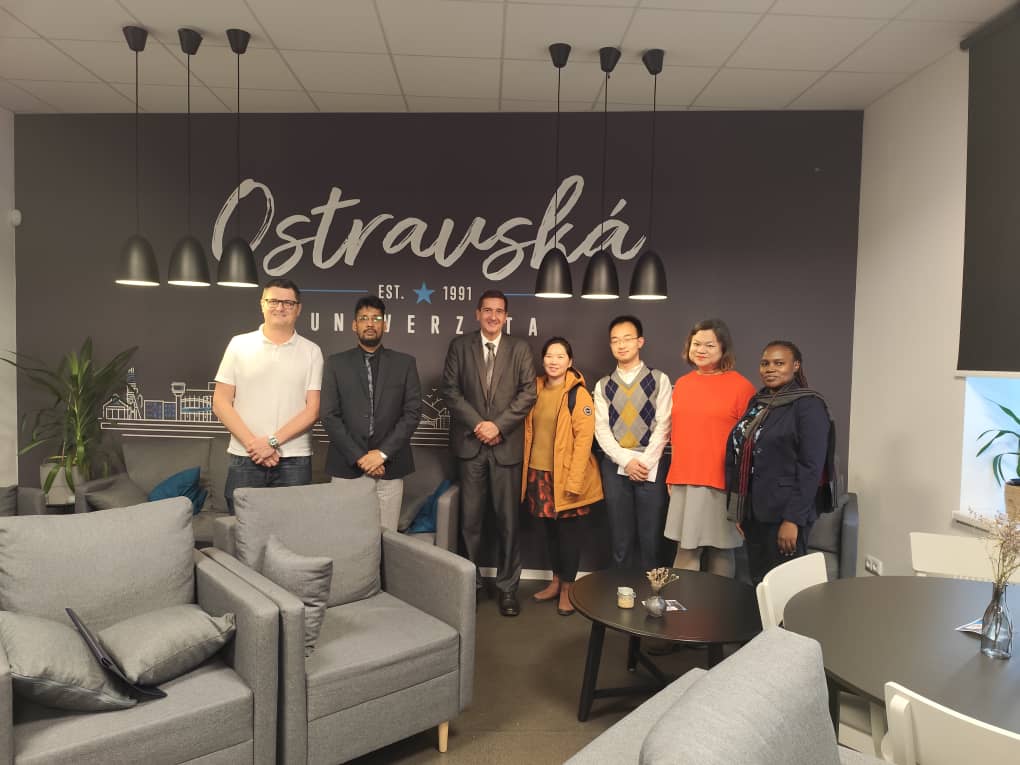
As guest lecturers at Ostrava University, we were excited and nervous at the same time. We were eager to share our knowledge and engage with a new cohort of students from the 15 October to 18 October 2024. The First Day The first day began with an orientation session for visiting faculty, where we met other lecturers from diverse backgrounds. Hearing their stories and insights about teaching in different environments was inspiring. The campus was vibrant, with students bustling between classes and the fall leaves painting the quad in brilliant hues. Teaching Experience Ms. Mercy Nyakundi delivered lectures on “Database security: Threats and Mitigations”, to Second-year students in Computer Science. The session covered key aspects of database security, focusing on threats, mitigation strategies, and best practices. The lecture introduced the importance of protecting databases from unauthorized access emphasizing the need to safeguard sensitive data and ensure compliance with the laws like General Data Protection Regulations. The lecture explored common threats like SQL injection and Data breaches and mitigation techniques such as encryption and multifactor Authentication. Best practices were discussed for designing a secure database and regular backups. The lecture concluded with a case study of recent data breaches demonstrating how correct security measures could have prevented the incident. Prof. Singh Narayan delivered lectures on the Indian Economy and Transportation Systems. The lecture explored the intricate relationship between economic growth and infrastructure development. The session covered key sectors driving India’s economy, including agriculture, industry, and services, while highlighting the pivotal role of transportation in connecting markets, facilitating trade, and boosting productivity. The lecture looked at the evolution of India’s road, rail, air, and maritime networks, and their impact on domestic and global commerce. It offered a comprehensive overview of how transportation systems are shaping India’s economic future and addressing current challenges. Cultural Exchange Beyond the classroom, we were immersed in campus life. I attended lectures by other faculty members. We attended a seminar on “Fostering Scientific Cooperation via European and Non-European Funded Projects on Sustainable Development” by Prof. Walter Lean who holds the Chairs of Climate Change Management at the Hamburg University of Applied Sciences (Germany) and Environment and Technology at Manchester Metropolitan University (UK). The seminar explored the advantages of scientific cooperation on matters related to sustainable development, and described the role of major networks such as the University Programmes, the Schools of Sustainability Science and Research, and others, as sources of information on project funding. In addition, the seminar introduced a variety of European and non-European funding programmes, which may be accessed by members of the University Programmes, as possible funding sources for their projects. These experiences not only enriched my understanding of the university’s culture but also allowed me to form meaningful connections with students and faculty alike. We met the University of Kigali students of the School of Computing & IT who went for a semester of study under the student exchange program. They discussed how they are adapting to their stay and studies in general. Final Thoughts The week we spent at Ostrava University we gained valuable experience that not only broadened our academic horizons but also deepened my appreciation for the diverse perspectives students bring to the classroom. We felt a sense of fulfillment as I watched my students grow in confidence and critical thinking especially students from the University of Kigali who will be there for a three-month fully paid-for study exchange program. Departing from Ostrava University, we have not just memories and friendships but also a renewed passion for teaching. The chance to engage with a new group of students had has given us the energy in our academic journey, reminding us of the power of education to inspire and connect us all. This reminds us of a quote by Nelson Mandela, “Education is the most powerful weapon which you can use to change the world.” “The power of education extends beyond the development of skills we need for economic success. It can contribute to nation-building and reconciliation.” “A good head and good heart are always a formidable combination.
Call for Papers-International Conference on Green and Sustainable Development.
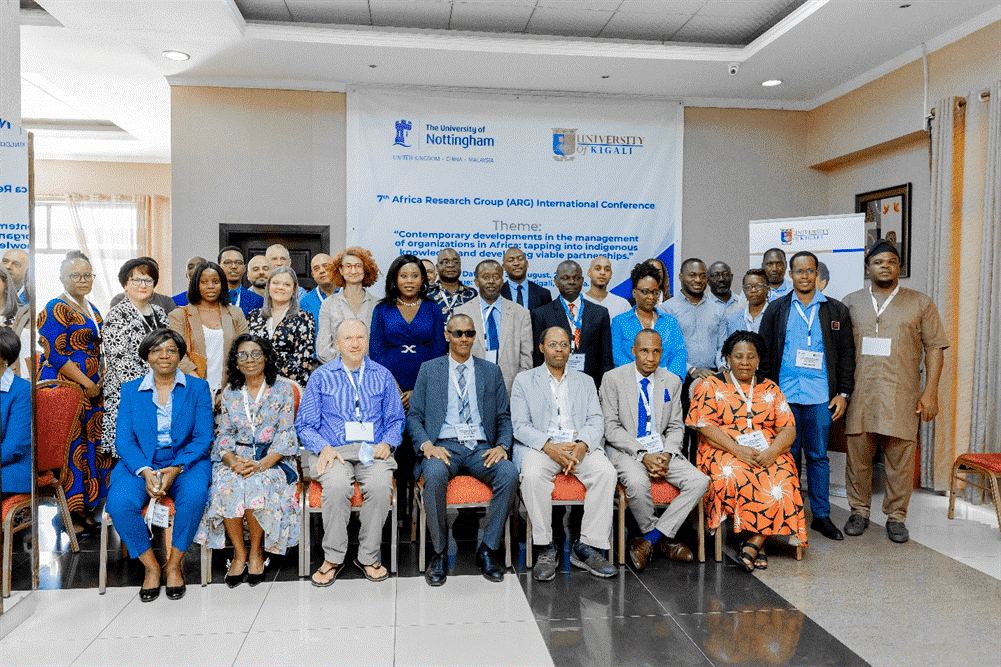
International Conference on Green and Sustainable Development Conference Dates: March 10-12, 2025 Conference Outcomes The joint conference seeks to achieve the following outcomes: Promote Knowledge Exchange: Facilitate dialogue and the exchange of ideas among scholars, practitioners, and policymakers on challenges and solutions in sustainable development. Showcase Research: Provide a platform for researchers to present their work on sustainability, green technology, and environmentally friendly practices, fostering an academic exchange between the two universities. Encourage Collaboration: Build networks among academics, industry experts, government officials, and NGOs to foster partnerships and collaborative projects, enhancing regional cooperation. Support Policy Development: Contribute to the formulation of evidence-based policies that promote sustainability and environmental stewardship across Africa. Enhance Capacity Building: Equip participants with the skills and knowledge necessary to implement sustainable practices in their respective fields and communities. Key Themes and Topics The conference will focus on several key themes related to green and sustainable development: Sustainable Business, Management, and Economics Green entrepreneurship and innovation Circular economy practices Sustainable finance and investment Projects on dynamic environments. Sustainable supply chain management Green Technologies and Innovation Emerging technology: Application of Artificial Intelligence, Internet of things and Robotics Sustainable materials and design Waste management and recycling innovations Smart cities and green building technologies Environmental Policy and Governance Policy frameworks for sustainable development International agreements and local implementation Role of governments and NGOs in promoting sustainability Social Equity and Sustainable Development Financial Inclusion Gender and social inclusion in sustainable practices Community-led conservation efforts Addressing inequality in access to resources Sustainable Agriculture and Food Systems Innovative farming techniques Food security and sustainable nutrition Agroecology and permaculture Climate Change Mitigation and Adaptation Climate-resilient infrastructure Renewable energy solutions Carbon footprint reduction strategies Conference Format The conference will include a mix of keynote speeches, panel discussions, paper presentations, workshops, and networking sessions: Keynote Speeches: Delivered by prominent experts and thought leaders in sustainable development, with representation Panel Discussions: Featuring diverse perspectives on critical sustainability issues, including policy, research, and practice. Paper Presentations: Researchers will present their papers on various themes, followed by Q&A sessions. Workshops: Interactive sessions focusing on practical skills and knowledge in sustainability, such as green technology application and sustainable project management. Poster Sessions: Displaying innovative research and projects, with authors available for discussion. Networking Events: Opportunities for participants to connect, exchange ideas, and explore collaboration possibilities. Target Audience The conference aims to attract a diverse audience, including: Academics and researchers in environmental sciences, engineering, social sciences, and economics Government officials and policymakers Industry professionals and entrepreneurs in green and sustainable sectors Non-Governmental Organizations (NGOs) and civil society organizations Graduate students and early-career researchers International organizations and development agencies Call for Papers and Submissions Submission Deadline: November 30, 2024 Notification of Acceptance: December 15, 2024 Final Paper Submission: February 15, 2025 Submission Guidelines: Abstracts should be 300-500 words and clearly outline the research objectives, methodology, findings, and implications for sustainable development. Full papers should be between 4,000 and 6,000 words, following the APA referencing style. Submissions will be peer-reviewed by an international panel of experts from both universities. Key Dates Conference Announcement: October 2024 Call for Papers: October 2024 Early Bird Registration: November 1, 2024 – December 31, 2024 Regular Registration: January 1, 2025 – February 10, 2025 Participant rates Individual Presenter Registration Package Corporate Price: $500 (Early Bird: $450) Faculty Price: $300 (Early Bird: $250) Postgraduate Student Price: $200 (Early Bird: $150) Emerging researchers or professionals : $200 (Early Bird: $150) Individual Non-Presenter Registration Package Corporate Price: $350 (Early Bird: $300) Faculty Price: $250 (Early Bird: $200) Postgraduate Student Price: $150 (Early Bird: $100) Emerging researchers or professionals : $150 (Early Bird: $100) Corporate Sponsorship Platinum Sponsor Package: $10,000 Gold Sponsor Package: $5,000 Silver Sponsor Package: $3,000 Bronze Sponsor Package: $2,000 Add-On Sponsorship Opportunities Conference Bag Sponsor: $2,000 (Sponsor’s logo on all attendee bags). Lunch Sponsor: $1,500 per day (Branding during lunch sessions). Please click here to submit your abstract.
Student Exchange at DHBW: A Transformative Learning Experience for UoK Student from School of Business!
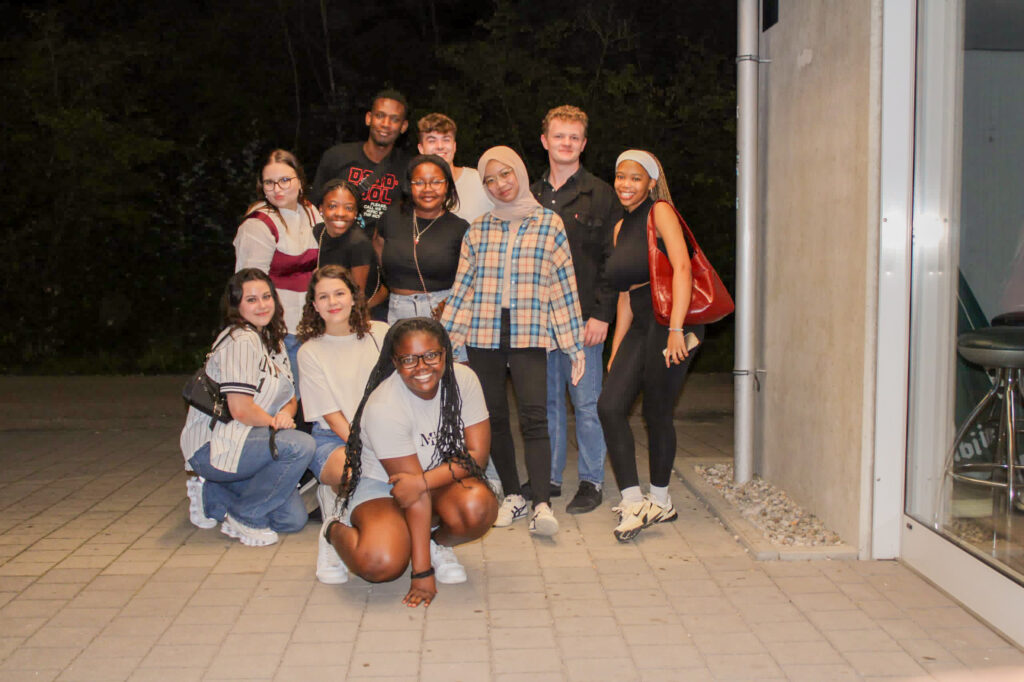
Student Exchange at DHBW: A Transformative Learning Experience for UoK Student from School of Business! Our University proudly supports international exchange programs that offer students unique opportunities to expand their academic horizons and gain valuable intercultural experiences. One of our students participated in a three-month exchange program (from July to September 2024) at our partner institution, DHBW (Duale Hochschule Baden-Württemberg) in Germany, fully funded by our esteemed partners at DHBW. The exchange not only strengthened our academic ties but also enriched the student’s personal and professional growth. During the exchange, the student attended an academic writing course with fellow exchange students from other universities and local students from DHBW. The course offered diverse perspectives and allowed the participants to collaborate across cultures, enhancing their academic skills and fostering a global mindset. The program extended beyond the classroom, offering moments of relaxation and connection with international students through outings. One notable outing included a memorable day at a picturesque lake, where the student bonded with peers from around the world, exchanging stories and building lifelong friendships. These moments of leisure allowed the students to immerse themselves in the local culture while forming a global network of connections. The warmth and inclusiveness of the DHBW community were evident when one of the lecturers personally invited the students for an ice cream gathering. This informal interaction fostered a supportive learning environment, offering students the chance to engage with faculty on a more personal level, building rapport and encouraging open dialogue. A highlight of the exchange was the heritage tour with local German students, offering our student a deep dive into Germany’s rich history and cultural heritage. This hands-on learning experience complemented their academic journey, providing valuable insights into the history and cultural fabric of the host country, while also promoting cross-cultural understanding and appreciation. The exchange concluded with a send-off event, celebrating the completion of the program. This gathering brought together faculty, local students, and international participants, marking the end of an enriching journey filled with academic achievement, cultural exchange, and personal growth. Participating in such exchange programs offers tremendous benefits for our students. These include: academic enrichment, cultural exchange, networking opportunities and personal growth etc. At the UoK, we believe in the power of international partnerships to shape the leaders of tomorrow. Our collaboration with DHBW and similar institutions helps ensure that our students are well-prepared for the global stage. We are deeply grateful to DHBW for their generosity in funding this life-changing experience and look forward to continuing this fruitful partnership. For more information on our student exchange programs, visit https://uok.ac.rw/our-strategic-partnerships/
The University Certificate for Higher Education Practice (UCHEP)
At UoK, we are acutely aware that, although all our academic staff are subject experts, not all of them have pedagogical training and background to enhance their instructional effectiveness. The University Certificate for Higher Education Practice (UCHEP) was developed specifically to fill that gap. As a university deeply committed to delivering quality educational experiences to our students, UCHEP was designed to nurture the development of critical pedagogical skills in our academic staff and is based on the following content areas: Exploring the basic theories of learning in HE Examining the fundamentals of effective teaching and learning in HE Critically examining the role of technologies in adopting blended teaching and learning Effective assessment for learning and of learning in HE The nexus between teaching, the law, equity, and social justice in HE Launching an effective research career in HE Working in increasingly multidisciplinary contexts in HE The role of AI in teaching and learning in the 21st century. The course enrolled eight staff in 2024 and 5 survived to the end, having achieved 100% attendance. The students are assessed through portfolio assessment, which involves critical reflection and documentation of the impact of the course topics on academic practice. Every student will also have an opportunity to present a 20-minute summary of their thoughts to the wider staff group and respond to staff questions as members of a panel. The staff will receive a university certificate, which in due course will be a pre-requisite for anyone seeking promotion in the university. The potential certifcands in 2024 include: Mr Bernadine Bukomeko; Ms Mercy Nyakundi; Mr Straton Ndyamuba; Ms Shilpa Nair and Mr Umar Luzinda. Congratulations on going through the course under the most difficult circumstances. I look forward to having more participants in 2025.
UNIVERSITY OF KIGALI GUILD COUNCIL POSITIONS

Over 7,000 students voting, 11 years after the first UNIVERSITY OF KIGALI GUILD COUNCIL POSITIONS . Every 1st week of the new academic year when classes start as per UoK students’ constitution revised in September 2022, Article 15. Section A, Pages 11-15, the University of Kigali elections of class representatives, heads of promotion, and students in the guild council take place. The Guild Council committee is responsible for overseeing and advocating for the welfare of the students and other students’ issues and raising their voices to the University Management to address them. Becoming a student council leader allows you to bring about the change you’d like to see in your university. It also looks impressive on your resume. Participating in an extra-curricular activity while at university has substantial career benefits, yet graduate employers often look for something more. Assuming a more active role within the students’ council is a good idea. There are eight elected positions in total, such as Guild president, vice-president, minister of education, minister of finance, minister of sports, culture, and welfare, minister of women empowerment, minister of information and public relations, and minister of international students that are being held for one year. Additionally, the democratic processes in the student council show the influence that leaders and student representatives have. The guild council elections are important for several reasons: They ensure that the voices of students are heard in decision-making processes. Guild council members play a crucial role in shaping university policies, budgets, and strategic plans through which decisions can have long-lasting impacts on the universities’s direction and priorities. The elected representatives are answerable to those they serve, which can help maintain trust and integrity within the institution. A diverse council can bring a range of viewpoints, fostering more holistic and inclusive decision-making thus this diversity can enhance the university’s ability to address complex issues effectively. Participation in elections encourages civic engagement among the university community, helping individuals understand governance processes and their role within the institution. Running for and holding leadership positions helps students develop essential skills, such as public speaking, teamwork, and conflict resolution. Student leaders often advocate for important issues, such as mental health resources, campus safety, and diversity initiatives. Elections create opportunities for students to connect, collaborate, and build relationships across different backgrounds and disciplines, fostering a stronger campus community. Elections promote transparency and accountability in university governance. Elected representatives are answerable to those they serve, which can help maintain trust and integrity within the institution. A diverse council can bring a range of viewpoints, fostering more holistic and inclusive decision-making. This diversity can enhance the university’s ability to address complex issues effectively. Participation in elections encourages civic engagement among the university community, helping individuals understand governance processes and their role within the institution. Running for and holding leadership positions helps students develop essential skills, such as public speaking, teamwork, and conflict resolution. Student leaders often advocate for important issues, such as mental health resources, campus safety, and diversity initiatives. Elections create opportunities for students to connect, collaborate, and build relationships across different backgrounds and disciplines, fostering a stronger campus community.
Staff and Student Exchange between University of Kigali and North West University
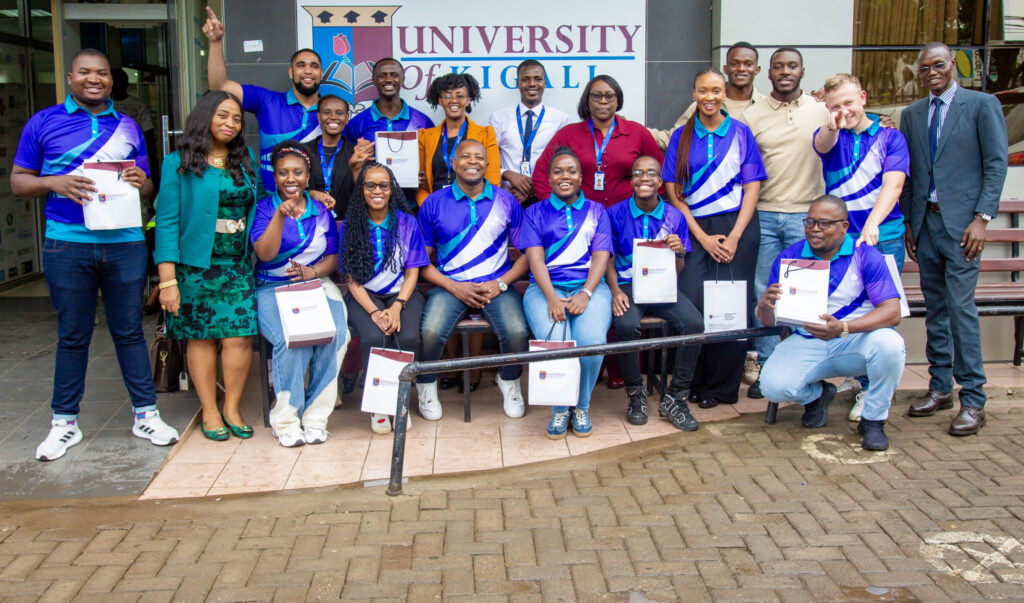
Staff and Student Exchange between University of Kigali and North West University Our University proudly hosted a successful Staff and Student Exchange Program with North West University (NWU) in October 2024. This exchange provided an enriching platform for academic collaboration, leadership development, and the exploration of best practices in student life, community engagement, entrepreneurship, and sustainability. The NWU delegation, consisting of 11 visiting staff members and student leaders, engaged with UoK Executive team, administrators, and student leaders over three days of dynamic discussions, presentations, cultural exchanges, and a visit to the Kigali Genocide Memorial. The visit aimed to promote mutual learning and lay the foundation for future collaborations between the two institutions. Program Highlights: Day 1 kicked off with a campus tour, followed by a meeting with our Vice-Chancellor. Presentations on UoK’s history, achievements, and student/staff exchange programs were led by Director of International Affairs and Partnerships. The Deputy Vice-Chancellors elaborated on UoK’s sustainability initiatives, community engagement efforts, and the university’s approach to promoting good citizenship in Rwanda. The Director of Research and innovation discussed our joint research initiatives and innovation hubs. The day was concluded with a presentation from the Resource mobilization manager who discussed the entrepreneurship initiatives and our resources management systems. Day 2 centered on student leadership, featuring discussions led by the Dean of Students and student leaders, covering student life, leadership structures, and residence management. The NWU team presented on their history, student enrollment, the Student Leadership Academy, entrepreneurship programs, and sustainability initiatives. The day ended with a round table discussion exploring collaborative opportunities. Key takeaways included the COIL program, integrating sustainability into the curriculum, PhD scholarship offers, and the development of an enterprise platform. Day 3 the delegation took a deeply impactful heritage tour to the Kigali Genocide Memorial, where the delegation learned about Rwanda’s history, and the country’s incredible journey toward reconciliation and unity. This visit provided invaluable insights into the concept of good citizenship as practiced in Rwanda, which NWU had identified as an area of interest. This exchange reflects UoK’s commitment to promoting global partnerships. It provides its students and staff with opportunities for growth and learning beyond borders, with the objective of driving innovation, sustainability, and leadership development at both institutions. For more information on our international partnerships, visit or contact us at https://uok.ac.rw/our-strategic-partnerships/.
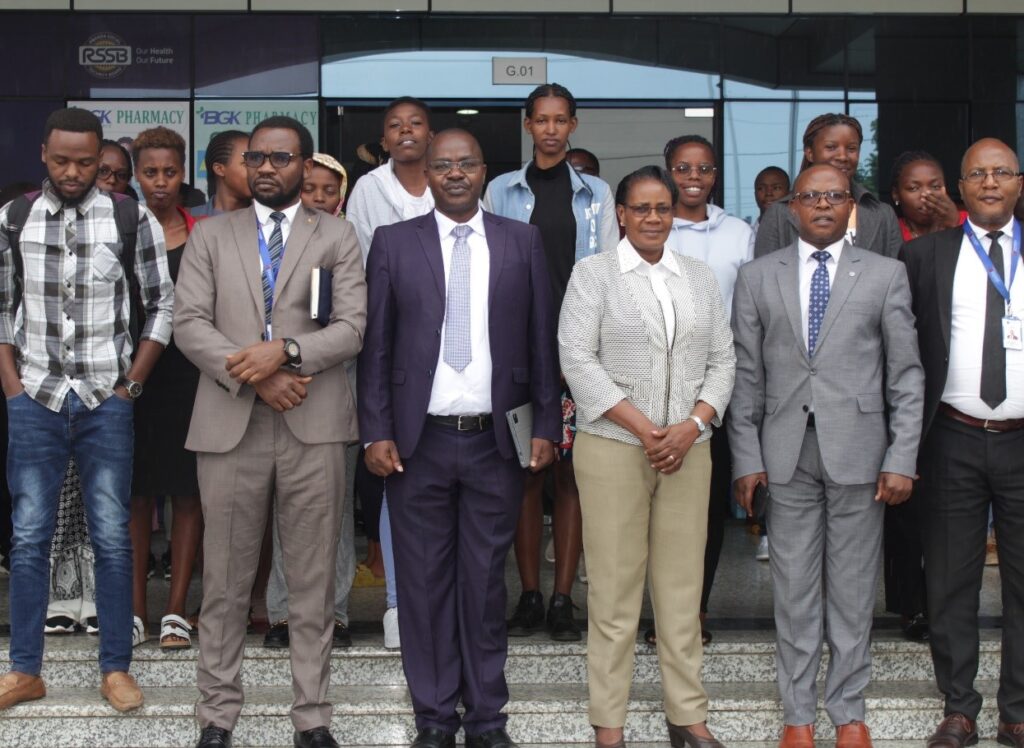
The VC (Prof. George KIMATI) and his delegation, after a meeting with all UoK-MUSANZE CAMPUS Academic and Administrative staff and students.
REMARKS BY VICE-CHANCELLOR, UNIVERSITY OF KIGALI, DURING THE OFFICIAL THREE-DAYS VISIT TO UOK-MUSANZE CAMPUS. (The Vice Chancellor of the University of Kigali, Prof. George KIMATHI, addressing the students and staff at Musanze Campus ) From Thursday, October 10th to 12th, 2024, The University of Kigali- Musanze campus was abuzz with excitement as the esteemed Vice-Chancellor (VC), Professor George KIMATHI, accompanied by the Deputy Vice Chancellor of Academics(DVCA), and Associate Deputy Vice Chancellor of Academics(ADVCA), graced the institution with their presence on a two-day visit from July 10th to 12th, 2024. The visit held great significance as it provided an opportunity for the leadership to engage directly with students and staff, fostering a sense of unity and collaboration. The visit followed their recent appointments, aimed at meeting, interacting, and gaining first-hand insight into the activities and programs being implemented at the campus. Throughout the visit, the Vice Chancellor met with students from various study sessions including day, evening, and weekend. This inclusive approach ensured that a wide representation of the student body could interact directly with university leadership. Additionally, meetings were also held with dedicated staff members who play a crucial role in shaping the academic environment at the Musanze campus. The visit followed their recent appointments, aimed at meeting, interacting, and gaining first-hand insight into the activities and programs being implemented at the campus. He assured the campus of support from the top management of the University to address ongoing challenges and urged campus administrators to work towards increasing student numbers. In his remarks, the Vice Chancellor expressed excitement about the visit, emphasizing its purpose of meeting people and understanding the unique circumstances of the Musanze Campus. The Vice-Chancellor encouraged students to focus on their studies, take advantage of professional courses offered by the University of Kigali, especially the ICDL (International Certification in Digital Literacy), and maintain high values. The Vice-Chancellor was optimistic about additional enrollments by introducing some additional programs, such as Bachelor’s degrees in Education and Tourism, etc, which are highly requested at the campus. In recognition of this momentous occasion during his welcoming remarks, Dr Leopord HAKIZIMANA, the Principal of Musanze Campus expressed gratitude to the Vice Chancellor and delegation, highlighting the staff’s enthusiasm for their presence. He provided an overview of the campus and briefed them on various challenges and strategies to overcome them. The campus principal noted that this gesture exemplified solidarity within UoK’s leadership, fostering a sense of unity and shared commitment toward the academic growth and success of the institution. The visit also served as an opportunity for students and staff to engage in open dialogue with university leadership, allowing for the exchange of ideas, concerns, and aspirations. This transparent communication channel is crucial in ensuring that all stakeholders feel heard and valued within the university community. The Campus Principal’s word of welcome to the Vice Chancellor and delegation to address the students and staff In brief remarks, Prof. Margaret Oloko, Deputy Vice-Chancellor in charge of Academic Affairs, highlighted the importance of maintaining quality education. She suggested engaging students more and providing timely support in their academic pursuits, striving to promote academic excellence by maximizing resources for holistic development and mentorship of learners capable of critical thinking and independent positioning in the job market. (Prof. Margaret Oloko, Deputy Vice-chancellor in charge of Academic affairs) informed students to abide by quality, standards, and values during their academic journey at UoK-MUSANZE CAMPUS as per HEC requirements Addressing the students, Dr. Samuel Sindayigaya, The Associate Deputy Vice Chancellor of Academics, encouraged them to embrace the opportunities ahead, engage actively in their studies, and utilize the support systems available. He emphasized that choosing to learn at the University of Kigali is a significant step in further developing their academic disciplines. He acknowledged the dedication and hard work of the staff members, whose commitment to excellence in teaching and service forms the foundation of the University’s success. (Dr. Samuel Sindayigaya, The Associate Deputy Vice Chancellor of Academics reminds the students about their obligations and rights. The VC, DVCA, and ADVCA engaged with students and campus officials. Some concerns raised by students included the Complaints and Appeals Procedures, Through the VC office guidance, he stated that they are going to streamline and shorten the process for approving some critical matters at the campus level to avoid delays. VC’s message and Interaction with the students from various schools alongside staff This visit coincided with the end of customer service week, and the visitors joined students for a celebratory event that marked the conclusion of the week-long activities. VC celebrating Customer Service Week with students and staff. The VC (Prof. George KIMATHI) and his delegation, after a meeting with all UoK-MUSANZE CAMPUS Academic and Administrative staff and students The Vice-Chancellor said: “As we conclude our time together, He expressed to all sessions that as they continue their academic journey, he encourages them to embrace challenges, stay curious, and never stop learning. The world is evolving rapidly, and it is up to them to adapt, innovate, and lead with integrity and resilience. He is sure to look forward to witnessing the remarkable achievements that will undoubtedly come from this vibrant and dynamic campus. Together, they will continue to build a strong and thriving university community that makes a difference in Rwanda and beyond. He thanked all the students once again for their hospitality and for being a source of inspiration and inviting them to keep striving for excellence and know that the entire university community is there to support them every step of the way after he closed the agenda by conveying the best wishes for their continued success. The VC’s three-day visit ended on October 12th, 2024 with a tour of different classrooms and offices to notice the status of the needs as presented to him previously and promised to work on them and satisfy them shortly given the UoK’s available financial means. The visit left an indelible mark on the UoK-MUSANZE CAMPUS, serving as a testament to