Global Partnerships in Action
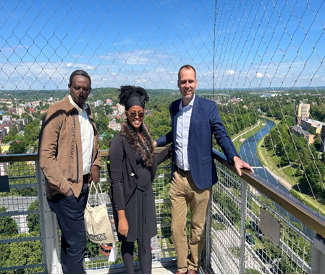
Global Partnerships in Action: From 19th–23rd May 2025, our University took a bold stride in its internationalisation agenda through a high-impact staff exchange visit to the University of Ostrava, Czech Republic, under the Erasmus+ International Credit Mobility Programme. Represented by the Dean, School of Computing and IT (SCIT) and the Director of International Affairs and Partnership, the UoK delegation engaged in a week of strategic collaboration, cultural exchange, and academic innovation. The team was welcomed by the Vice-Dean for Development and Internationalization. This was followed by a comprehensive campus tour led by the International Student Services Specialist for Exchange, offering insights into the University of Ostrava’s infrastructure and internationalisation strategy. Subsequent meetings included: A brief encounter with the Erasmus + Institutional Coordinator. A roundtable with the VIA Programme Head and other International Cooperation Officers; where possibilities for reciprocal student mobility was explored. Participation in the Workshop on European University Alliances, which highlighted innovative models for expanding multilateral academic partnerships. Highlights of the Visit: Laid groundwork for reciprocal student and staff mobility between UoK and the University of Ostrava. Possibility of PhD scholarships in emerging trends for SCIT faculty. Initiated talks on the possibility of collaborating on curriculum development Initiated the launch of a Collaborative Online International Learning (COIL) programme, hosted by UoK’s Centre for Modern Languages, promoting global virtual classrooms aligned with Sustainable Development Goals (SDGs). Reflected on the transformational experience of UoK students currently on exchange in Ostrava—highlighting personal growth, academic enrichment, and global exposure. Cultural bonds were deepened through a meaningful exchange of gifts and a heritage tour guided by the Vice-Dean for Development and Internationalization and UoK Director of international Affairs and partnership, symbolising mutual respect and a shared vision for long-term cooperation. What’s Next? The outcomes of this exchange go far beyond networking; they are already shaping tangible future actions: Strategic engagement with the VIA Programme to support sustained exchanges. Official rollout of the COIL programme in Q1 2026. Post-exchange evaluations to refine and scale impact across future mobility programmes. Global Partnerships in Action At the University of Kigali, global engagement is more than a goal—it’s a practice. This partnership with the University of Ostrava underscores how strategic collaboration transforms not only institutions, but also the students and faculty who lead the change.
Advancing Collaboration & Academic Exchange
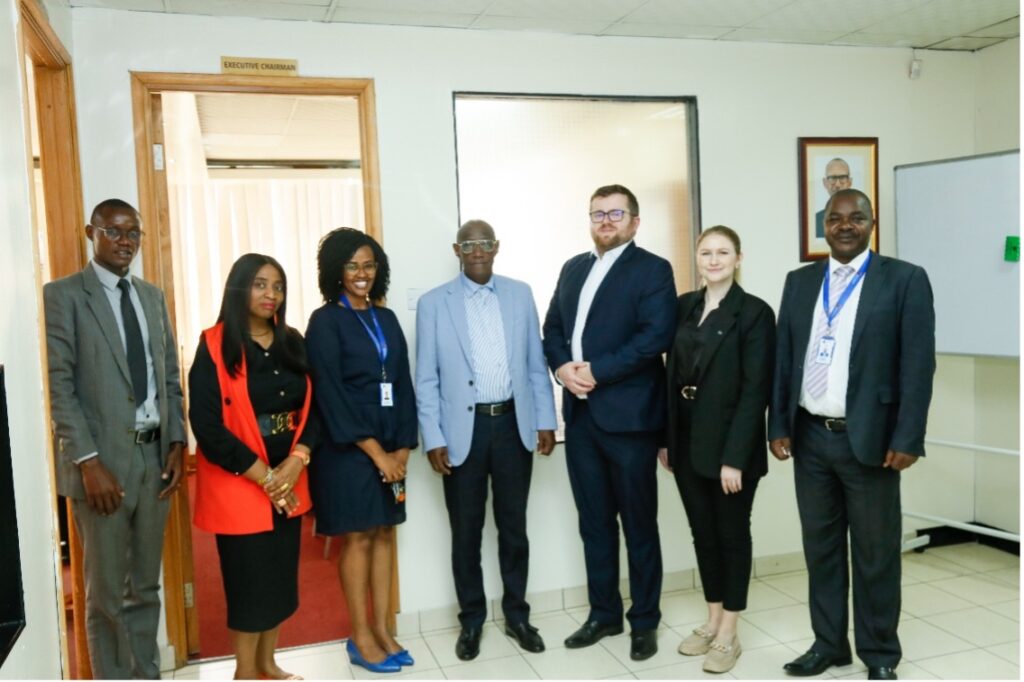
Advancing Collaboration & Academic Exchange: The University of Kigali was delighted to host visiting staff from Wyzsza Szkola Gospodarki (WSG), Poland, and Ostrava University, Czech Republic, as part of a four-day mobility program focused on deepening academic partnerships, collaborative research, and staff-student exchange. The visit underscored UoK’s commitment to building impactful international relationships and fostering a global academic community. A Week of Strategic Collaboration and Innovation Day 1 – Strategic Introductions & Foundation Building (March 24th) The WSG delegation was welcomed at the University by the Director of International Partnerships and met with the Vice Chancellor and UoK’s leadership team. The Day featured: Institutional presentations and overviews. Discussions on research commercialization and inclusive education. Presentations on entrepreneurship support and funding opportunities. Roundtable discussions set the tone for future collaboration. Day 2 – Triangular Engagement: UoK–WSG–Ostrava (March 25th) The second day of the mobility program saw an exciting expansion of dialogue as Ostrava University joined the exchange. Together with WSG and UoK, the visiting teams participated in a dynamic day of collaboration. Key highlights included: A meeting between the WSG team and the Chairman of UoK’s Governing Body focused on joint research, blended learning, and student/staff mobility. Interactive guest lectures and knowledge-sharing sessions with SCIT students, led by Dr. Pavel and Dr. Vladimir from Ostrava University, promote vibrant academic exchange. In-depth discussions around curriculum development, particularly in Artificial Intelligence and other emerging academic trends. Dialogue on enhancing inclusive education, language development, and resource mobilization. Please insert the two lecturers from Ostarva. The tri-university partnership envisions continued collaboration in international academic events, notably WSG’s International Week in May 2025 and Ostrava University’s professional training Week, which will provide further cross-cultural and professional exchange platforms. Day 3 – Academic Engagement & Student Innovation (March 26th) The third day featured a forum on AI, innovation, and emerging academic trends. UoK students showcased their innovation projects in an engaging session that stimulated dialogue around funding and mentorship in academic entrepreneurship. Day 4 – Collaborative Outlook & Future Opportunities (March 27th) The final day opened with open discussions on: Challenges faced by international students. Upcoming mobility and exchange programs. Participation in global academic events. Please Insert the office Pic The WSG delegation concluded with a presentation on curriculum innovation, research development, and faculty growth strategies.
UoK Hosts Ostrava Dinner

UoK Hosts Ostrava Dinner. As part of the enriching staff mobility exchange between the University of Kigali and the University of Ostrava, the final evening was marked with a warm and elegant dinner reception held at Khana Khazana Restaurant in Kigali. This special gathering was an opportunity to celebrate the strong academic and cultural bonds that had been forged during the week. UoK was honored to host our guests from the University of Ostrava alongside senior management members. The evening began with introductions from all guests, followed by a speech by Prof. George Kimathi, the Vice Chancellor, who welcomed everyone as UoK Hosted Ostrava Dinner. The highlight of the evening was a powerful and inspiring address by Prof. Manasseh Nshuti, Chairman of the Board of Promoters, who reflected on his academic journey in the United Kingdom and the values that continue to shape his commitment to higher education. He passionately emphasized the importance of: Nurturing young minds for leadership in an ever-changing world Promoting a culture of academic excellence and professional development Championing youth entrepreneurship as a pathway to economic transformation Empowering students to not only excel in their careers but also build their own enterprises His message resonated deeply with both the UoK and Ostrava teams, reinforcing the shared values of academic collaboration and societal impact. As the evening drew to a close, Prof. Nshuti and Prof. Kimathi led a special gift handover ceremony, presenting tokens of appreciation to the University of Ostrava delegation. This symbolic gesture sealed the spirit of partnership, mutual respect, and the anticipation of continued academic cooperation. The dinner was a celebration of shared vision, cultural unity, and the exciting prospects of global collaboration!
Empowering future Professionals
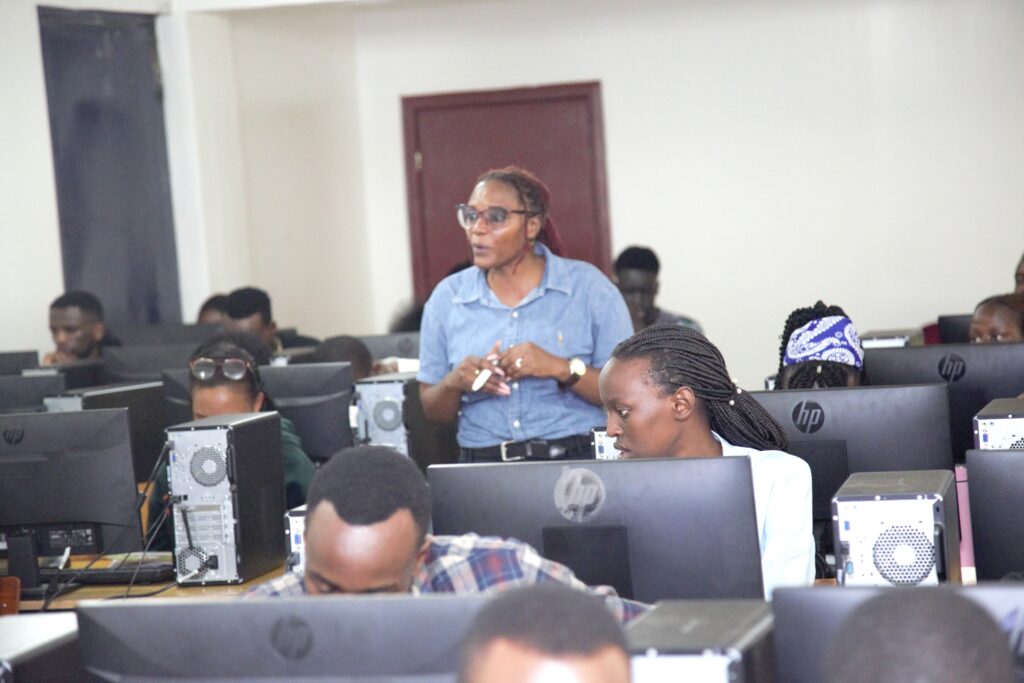
Empowering future Professionals: At the University of Kigali, we recognize that transitioning from University to the professional world can be a daunting journey. To equip our students with the skills, confidence, and opportunities needed to thrive, we conducted two impactful initiatives: an Employability Programme and a Recruitment Drive, in partnership with Harambee Youth Employment Accelerator. Held as part of our ongoing efforts to enhance professional development, the Employability Programme provided Year 3 undergraduate students (Class of 2024) with essential tools to navigate the job market and by empowering future professionals. The sessions covered: Employability Skills Development – Enhancing workplace readiness; Job Application Preparation – Crafting standout resumes and cover letters Job Interview Techniques – Mastering interview etiquette and strategies Personal Branding – Building a compelling professional identity Insights into Job Market Trends – Understanding evolving industry demands Language Proficiency Tests – Assessing communication skills for competitive career paths Through this initiative, students gained real-world insights and practical skills that will help them confidently step into the workforce, whether pursuing employment or launching their own ventures. Strategic Recruitment Drive in Partnership with Harambee Further reinforcing our commitment to student employability, we partnered with Harambee-Youth Employment Accelerator for a recruitment drive that provided our students with direct access to employment opportunities. Candidates underwent rigorous English and French language proficiency assessments, ensuring they met the linguistic requirements for roles at our partner’s client, CCI. Those who successfully passed the tests were invited for final-stage interviews at Harambee’s premises. The event provided students with first-hand exposure to hiring processes, real-world job requirements, and direct employment opportunities, reinforcing our commitment to producing work-ready graduates. At UoK, we remain dedicated to promoting a learning environment that extends beyond the classroom. Through strategic partnerships, hands-on training, and career-focused initiatives, we continue to empower our students to excel in their careers, whether in employment or entrepreneurship.
Strengthening Global Ties
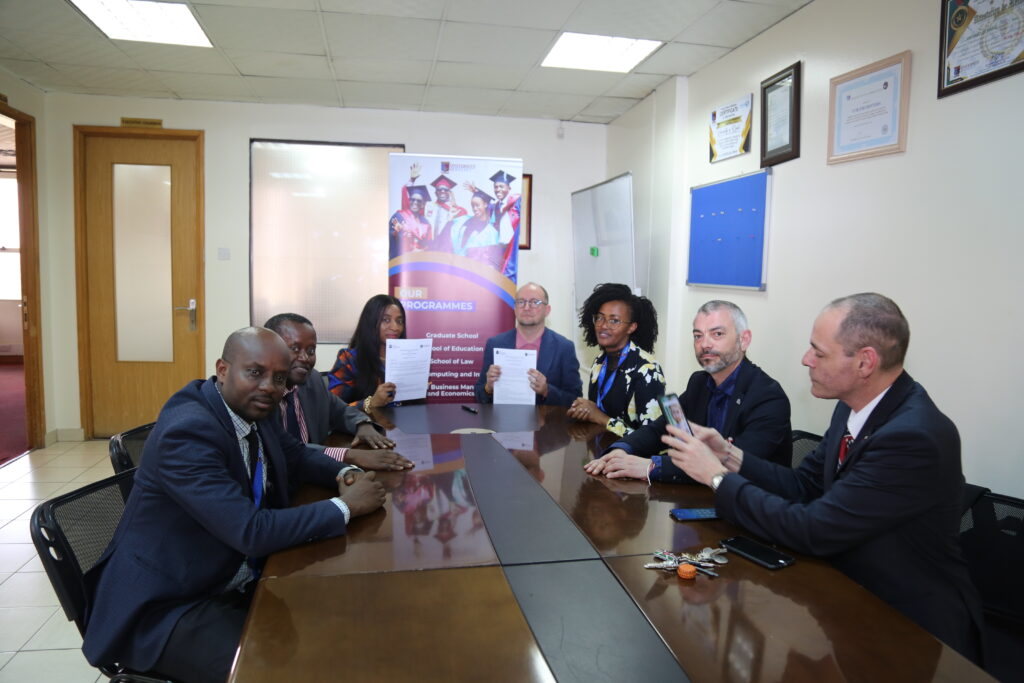
Strengthening Global Ties UoK Welcomes University of Fort Hare for a brief campus tour & signs New MoU with New Bulgarian University! Following a highly successful three-day conference, our University was honored to host briefly the University of Fort Hare (UFH) and New Bulgarian University (NBU) on 13th March 2025, for a campus tour and strategic discussions. During their visit on March 13th, 2025, the University of Fort Hare expressed keen interest in future staff exchange programs, reinforcing their commitment to promoting international academic cooperation. This marks a promising step toward expanding knowledge-sharing initiatives between the two institutions. On March 14th, 2025, UoK hosted the delegation from New Bulgarian University, engaging in a series of enriching discussions covering: UoK’s Institutional Partnership overview Language Enhancement & Inclusive Education Student Entrepreneurship & Resource Mobilization The visit culminated in a roundtable discussion, paving the way for strategic collaboration. UoK and NBU officially signed a Memorandum of Understanding (MoU), marking the beginning of a promising partnership focused on academic excellence, executive studies, research innovation, and mobility opportunities. With this milestone, New Bulgarian University becomes UoK’s youngest international partner, joining a growing network of institutions committed to global education and impactful collaborations.
Student Exchange to Unic-Cyprus and WSG-Poland
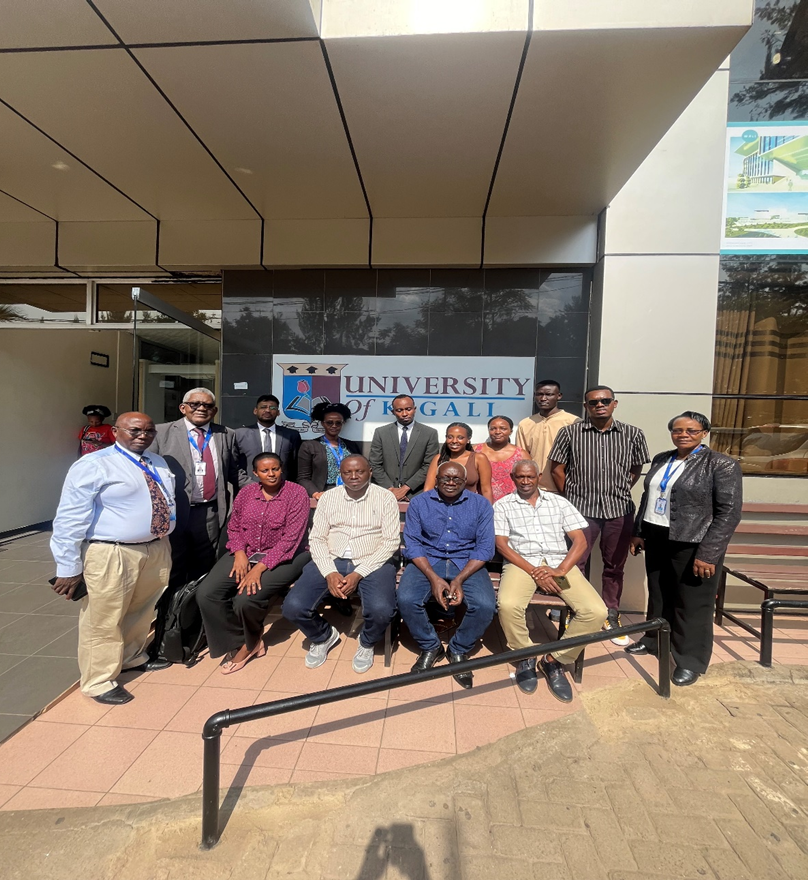
The University of Kigali continues to set itself apart as one of Rwanda’s most globally connected institutions, offering students unprecedented opportunities to study beyond borders. In a remarkable milestone, a group of top-performing students from the School of Business management and Economics, has embarked on a fully-funded exchange program at the University of Nicosia, Cyprus—an initiative made possible through the university’s strong international partnerships and Erasmus+ funding. This comes after the arrival of our business school students from WSG University, who participated in a three-month exchange program from November 2024 to February 2025. During their time in Poland, they engaged in cross-cultural learning, attended specialized business courses, and collaborated with peers on international projects. The experience not only broadened their academic perspectives but also allowed them to build valuable global networks, equipping them with insights that will enhance their future careers. As one of the most active institutions in Rwanda when it comes to international student exchange, UoK has consistently provided students with access to transformative global experiences. This latest cohort traveling to Cyprus is part of a broader vision by the University to ensure their students are globally competitive and exposed to world-class learning environments. The initiative was spearheaded by UoK’s International Affairs and Partnership Office, which plays a key role within the broader Institutional Development, Research & Innovation (IDRI) portfolio under the leadership of Deputy Vice Chancellor,Institutional Development, Research & Innovation (IDRI), Prof. Maringe. Highlighting the importance of the exchange program, Prof. Maringe stated, “This program is designed to provide students with international exposure, academic enrichment, and cultural exchange. It offers them a unique opportunity to broaden their perspectives, experience diverse educational methodologies, and build global networks that will shape their professional futures. At the University, we are committed to equipping our students with the skills and experiences necessary to thrive in a globalized world.” For many students, this marks their first journey beyond Rwanda’s borders, a once-in-a-lifetime opportunity to experience a new culture, new academic systems, and expand their career prospects. Sabina Gitarama, one of the selected students, shared her enthusiasm: ‘This is more than just an exchange; it’s a chance to challenge myself academically, meet people from around the world, and prepare for a truly global career. I am beyond excited and grateful to the UoK for making this possible!’” Mr. Athanase GAKIRE., a proud guardian of one of the selected students, praised the UoK for its commitment to merit-based opportunities. ‘I am thrilled that my child is part of such a prestigious program. The University of Kigali not only delivers quality education but also provides international exposure that most universities don’t offer. This is why I strongly encourage parents to consider UoK for their children’s higher education—it’s a University that opens doors to the world.’” Director of International Affairs and Partnerships, emphasized the significance of the exchange program, “As these students begin their journey in Cyprus, they are paving the way for future cohorts to dream bigger and aim higher. UoK remains committed to promoting global academic excellence, ensuring that its students are not just educated but are globally competitive and career-ready. For ambitious students seeking international exposure and academic excellence, our University is the gateway to a world of opportunities.”
GBS Knowledge Sharing Session: Empowering Rwanda’s Future Workforce.
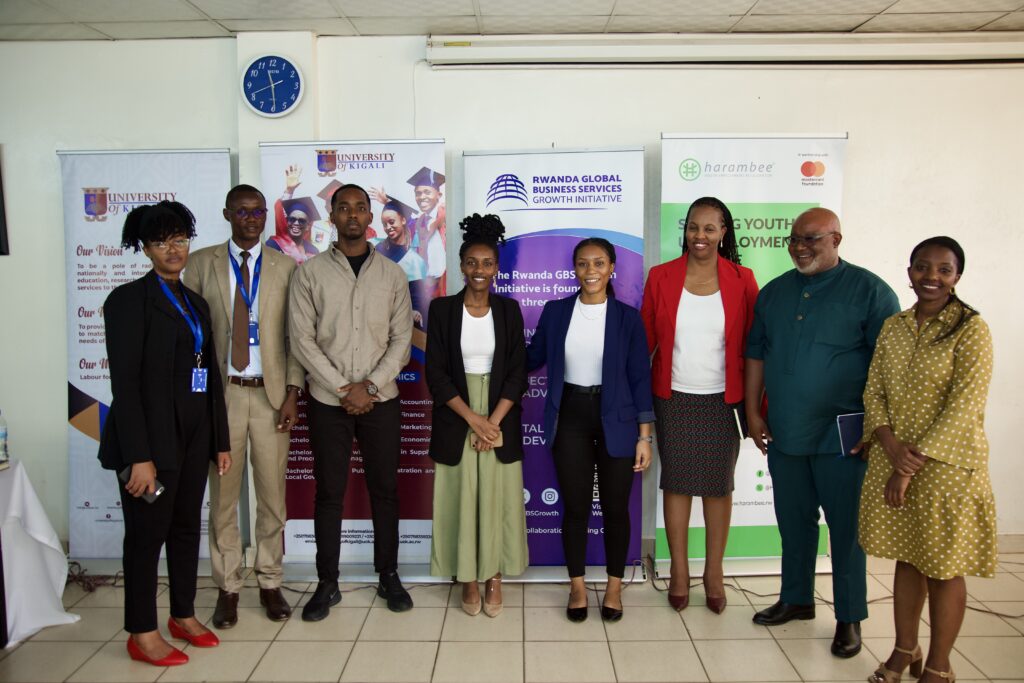
GBS Knowledge Sharing Session: Empowering Rwanda’s Future Workforce On 19th September 2024, our University, in collaboration with our partner Harambee Youth Employment Accelerator, hosted a GBS Knowledge Sharing Session aimed at preparing University students for opportunities in the rapidly growing Global Business Services (GBS) sector. Recognizing University students as the future of Rwanda’s workforce, the partners” mission was to ensure they are informed and prepared for career opportunities in this dynamic labour market. Opening the session, the Director of International Affairs and Partnerships, warmly welcomed the attendees and introduced the UoK team, setting the agenda for the day. The event was officially started off by our DVC-Academics, followed by an introduction to the GBS sector by Leah Munezero, who highlighted its scope, key players, and the language assessment registration process. Mireille, a current UoK student working at DERIV, shared her inspiring journey of balancing work in the GBS sector with her studies. Her real-life success story resonated with the students, offering valuable insights into achieving both professional and academic success. The highlight of the session was a panel discussion featuring prominent GBS players, including Yannick Kabayiza from Awesomity Labs, Victor Feh from CSR Rwanda, Sandra Umulisa from the Rwanda Development Board, and Sandrine Iradukunda from the Rwanda GBS Growth Initiative, who moderated the panel. The panelists shared invaluable insights into the skills and competencies required in the GBS sector and addressed opportunities and expectations from the government’s perspective. The session included a Q&A segment, where the panel addressed the audience’s queries and provided further clarity on career pathways in the GBS sector. Sandra delivered a comprehensive summary of the day’s discussions, highlighting key takeaways and actionable insights for the students. Chancellor for Institutional Development, Research, and Innovation (DVC-IDRI) concluded the session, emphasizing the importance of equipping students with the right skills to meet the demands of the evolving job market. He also emphasised that Rwanda’s youth stand to benefit from numerous career opportunities in industries like finance, technology, healthcare, and telecommunications. The event wrapped up with a networking tea break, providing a platform for students and key players in the GBS sector to connect and explore further future potential collaborations opportunities. The GBS Knowledge Sharing Session underscored UoK’s commitment to equipping its students with the skills necessary to thrive in competitive sectors like GBS, ensuring they are ready to take advantage of Rwanda’s evolving economic landscape. For more information on our strategic partnerships, please visit https://uok.ac.rw/our-strategic-partnerships/
Student Exchange at DHBW: A Transformative Learning Experience for UoK Student from School of Business!
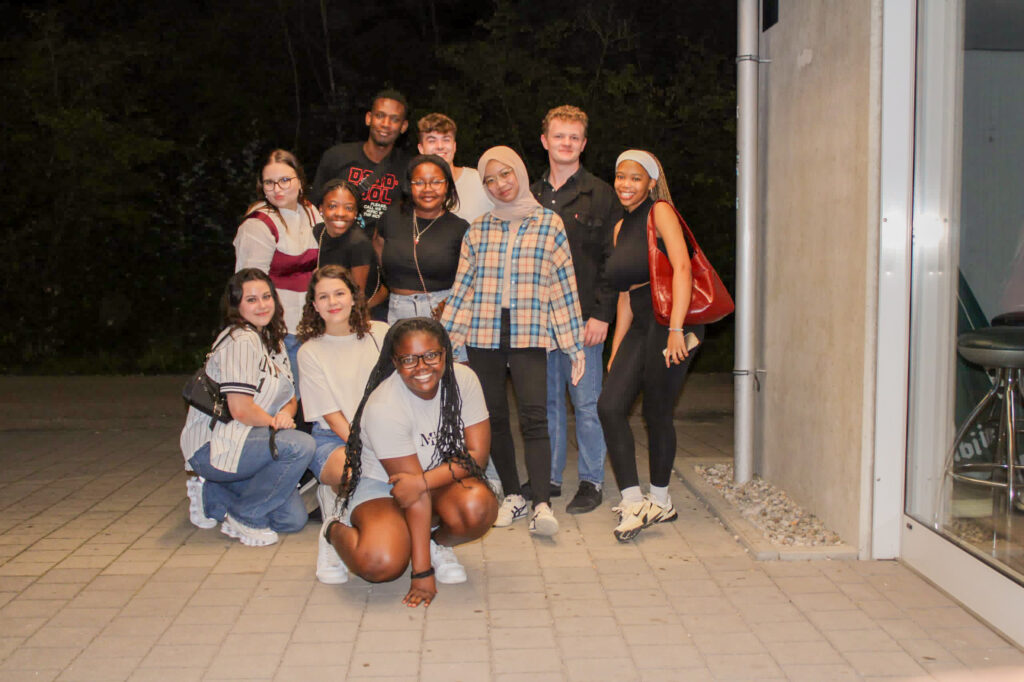
Student Exchange at DHBW: A Transformative Learning Experience for UoK Student from School of Business! Our University proudly supports international exchange programs that offer students unique opportunities to expand their academic horizons and gain valuable intercultural experiences. One of our students participated in a three-month exchange program (from July to September 2024) at our partner institution, DHBW (Duale Hochschule Baden-Württemberg) in Germany, fully funded by our esteemed partners at DHBW. The exchange not only strengthened our academic ties but also enriched the student’s personal and professional growth. During the exchange, the student attended an academic writing course with fellow exchange students from other universities and local students from DHBW. The course offered diverse perspectives and allowed the participants to collaborate across cultures, enhancing their academic skills and fostering a global mindset. The program extended beyond the classroom, offering moments of relaxation and connection with international students through outings. One notable outing included a memorable day at a picturesque lake, where the student bonded with peers from around the world, exchanging stories and building lifelong friendships. These moments of leisure allowed the students to immerse themselves in the local culture while forming a global network of connections. The warmth and inclusiveness of the DHBW community were evident when one of the lecturers personally invited the students for an ice cream gathering. This informal interaction fostered a supportive learning environment, offering students the chance to engage with faculty on a more personal level, building rapport and encouraging open dialogue. A highlight of the exchange was the heritage tour with local German students, offering our student a deep dive into Germany’s rich history and cultural heritage. This hands-on learning experience complemented their academic journey, providing valuable insights into the history and cultural fabric of the host country, while also promoting cross-cultural understanding and appreciation. The exchange concluded with a send-off event, celebrating the completion of the program. This gathering brought together faculty, local students, and international participants, marking the end of an enriching journey filled with academic achievement, cultural exchange, and personal growth. Participating in such exchange programs offers tremendous benefits for our students. These include: academic enrichment, cultural exchange, networking opportunities and personal growth etc. At the UoK, we believe in the power of international partnerships to shape the leaders of tomorrow. Our collaboration with DHBW and similar institutions helps ensure that our students are well-prepared for the global stage. We are deeply grateful to DHBW for their generosity in funding this life-changing experience and look forward to continuing this fruitful partnership. For more information on our student exchange programs, visit https://uok.ac.rw/our-strategic-partnerships/
Staff and Student Exchange between University of Kigali and North West University
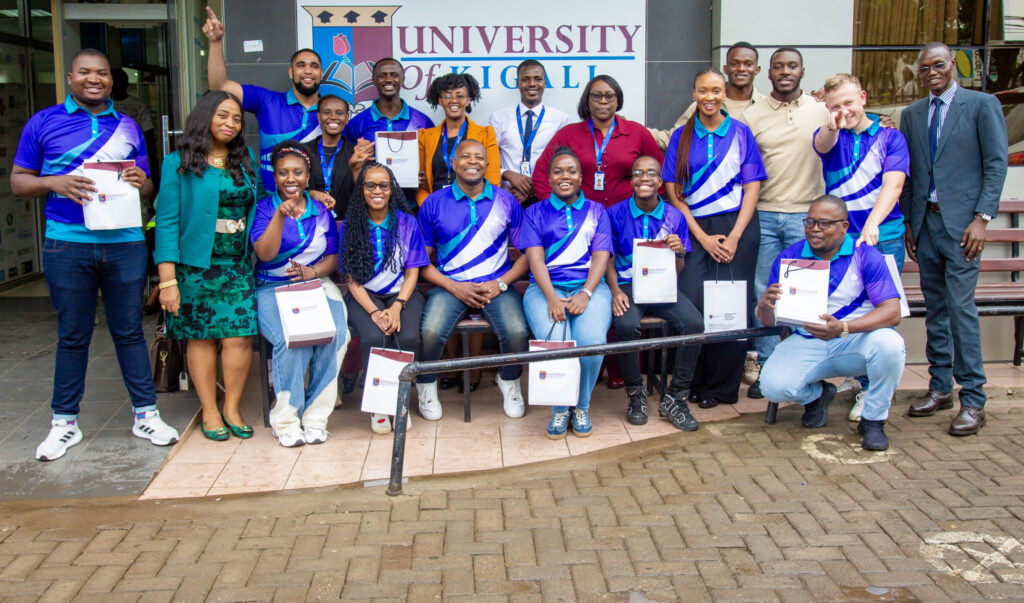
Staff and Student Exchange between University of Kigali and North West University Our University proudly hosted a successful Staff and Student Exchange Program with North West University (NWU) in October 2024. This exchange provided an enriching platform for academic collaboration, leadership development, and the exploration of best practices in student life, community engagement, entrepreneurship, and sustainability. The NWU delegation, consisting of 11 visiting staff members and student leaders, engaged with UoK Executive team, administrators, and student leaders over three days of dynamic discussions, presentations, cultural exchanges, and a visit to the Kigali Genocide Memorial. The visit aimed to promote mutual learning and lay the foundation for future collaborations between the two institutions. Program Highlights: Day 1 kicked off with a campus tour, followed by a meeting with our Vice-Chancellor. Presentations on UoK’s history, achievements, and student/staff exchange programs were led by Director of International Affairs and Partnerships. The Deputy Vice-Chancellors elaborated on UoK’s sustainability initiatives, community engagement efforts, and the university’s approach to promoting good citizenship in Rwanda. The Director of Research and innovation discussed our joint research initiatives and innovation hubs. The day was concluded with a presentation from the Resource mobilization manager who discussed the entrepreneurship initiatives and our resources management systems. Day 2 centered on student leadership, featuring discussions led by the Dean of Students and student leaders, covering student life, leadership structures, and residence management. The NWU team presented on their history, student enrollment, the Student Leadership Academy, entrepreneurship programs, and sustainability initiatives. The day ended with a round table discussion exploring collaborative opportunities. Key takeaways included the COIL program, integrating sustainability into the curriculum, PhD scholarship offers, and the development of an enterprise platform. Day 3 the delegation took a deeply impactful heritage tour to the Kigali Genocide Memorial, where the delegation learned about Rwanda’s history, and the country’s incredible journey toward reconciliation and unity. This visit provided invaluable insights into the concept of good citizenship as practiced in Rwanda, which NWU had identified as an area of interest. This exchange reflects UoK’s commitment to promoting global partnerships. It provides its students and staff with opportunities for growth and learning beyond borders, with the objective of driving innovation, sustainability, and leadership development at both institutions. For more information on our international partnerships, visit or contact us at https://uok.ac.rw/our-strategic-partnerships/.
AfricaLive Interview with Prof. Felix Maringe, Acting Vice-Chancellor(DVC-IDRI), and CPA Dorcas Kamau, Director of International Affairs and Partnership, University of Kigali, Rwanda.
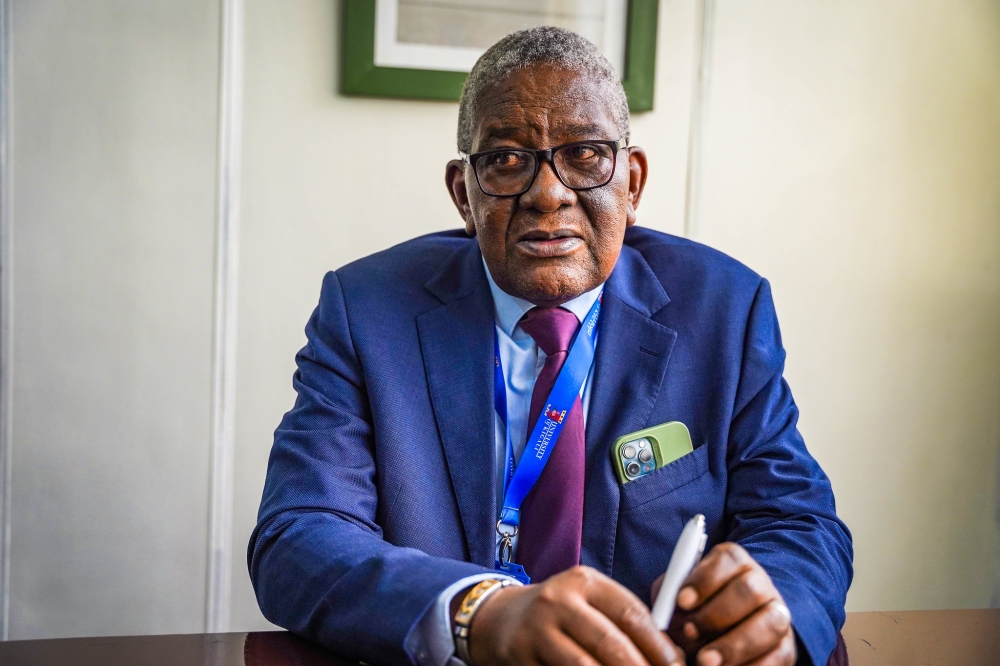
“We need to democratise the idea and thinking around innovation to create more space for thinking by more people. This involves adopting ideas that have not been done in our own spaces but have the potential to distribute value to the people.” – Prof. Felix Maringe Key Points: In the context of Rwanda’s rapidly growing youth population and the need for economic diversification, the University of Kigali’s philosophy is centred around preparing students for future roles in the labour markets, considering the influence of artificial intelligence and the internet of things. The University emphasises the importance of placing humans at the centre of decision-making when it comes to emerging technologies, while leveraging technology to facilitate processes and achieve goals. The University of Kigali is working on expanding access to education and entrepreneurship opportunities for the youth in Rwanda, recognizing the need for new curricula and skill development. The University is developing a Green University project, focusing on green construction, education, research, and community engagement, to promote sustainability and environmental consciousness. AfricaLive: Prof. Maringe, could you briefly summarise what you consider the educational identity or philosophy of the University of Kigali to be? Prof. Felix Maringe: The philosophy or identity of the University of Kigali stems from its motto, which is preparing people for their future roles in the labour markets. Our degree programs focus not just on the state of the labour markets today but also try to create perspectives and insights into what the labour markets are likely to be. Our thinking around future labour markets is strongly influenced by issues related to artificial intelligence and the internet of things, and how these dimensions of progress are likely to alter the labour markets. That becomes the backbone of the University of Kigali – preparing students for the labour markets of the future. AfricaLive: How do you believe that when it comes to the Fourth Industrial Revolution and emerging technologies, the human can be placed at the centre of development rather than the machine or the corporation? Prof. Felix Maringe: The human should always be at the centre of our decisions. It should not be the technology that makes decisions on our behalf. We should be able to say how much technology we want and the direction we would like technology to help us with. Strategic decisions about where we want to go, how we want to do it, and with whom we are going to work should remain the prerogative of human beings. We see humans occupying a very important role in the future labour markets, with technology also playing an extremely important role in facilitating the decisions we want to make, the processes we want to accomplish, and the speed with which we want to get our results. However, we need to be mindful of the waste materials produced as a result of processes happening too quickly and think sufficiently about their disposal or recycling. AfricaLive: How is the University of Kigali working to expand access to education and ensure that the youth have the opportunity to pursue quality skills development or higher education? Prof. Felix Maringe: This question is important not just for the University of Kigali but for all Universities in Rwanda. The demand for higher education far outstrips the supply of places and opportunities for young people. As a collective within Rwanda, our Universities need to do more to expand opportunities for young people to join Universities. However, it should not just be about joining Universities. It should also be about joining opportunities for becoming entrepreneurs. Universities in Rwanda and Africa, in general, have not been highly successful in teaching the skills and knowledge required by young people to be entrepreneurs. We need to turn our attention to ways in which we can create new curricula and opportunities for our youth to influence and affect development markets. AfricaLive: How do you seek to develop a culture of innovation or entrepreneurship on the campus at the University of Kigali? Prof. Felix Maringe: The word “innovation” often instils fear, as it appears to be something that can only be done by a few in the top 10-15% of our population. However, innovation is, to a large extent, adopting ideas that may have been tried elsewhere but never in our own context. When we adopt these ideas because we believe they will bring value and opportunity to our context and add quality of life to a large group of people, we are innovating. We need to democratise the idea and thinking around innovation to create more space for thinking by more people. This involves adopting ideas that have not been done in our own spaces but have the potential to distribute value to the people. Of course, groundbreaking new ideas should also be allowed space and funding whenever they are innovative. AfricaLive: What are the flagship projects at the University of Kigali that you would like to draw attention to? Prof. Felix Maringe: One flagship project we are developing is the notion of the Green University. We have strategically decided to become a Green University, coinciding with the construction of our new campus. Our Green University concept is built around four pillars: Green construction: Using materials with smaller carbon footprints. Green education: Aiming to become a paperless University within the next three years. Green research: Leading thinking around the growth of green finance, human resources management, and green curricula across different disciplines. Green community engagement: Making the community an integral part of our research and innovation processes, moving away from treating them merely as subjects or objects of research. Dorcas Kamau: I’d like to add that we have made deliberate efforts to achieve zero waste reduction, appreciating our country’s initiatives in reducing waste and promoting recycling. We have set aside an area in our new campus to showcase our zero waste efforts. Another aspect is taking care of biodiversity. Rwanda has done much in this regard, such as incorporating the Green City Kigali. We have also set