
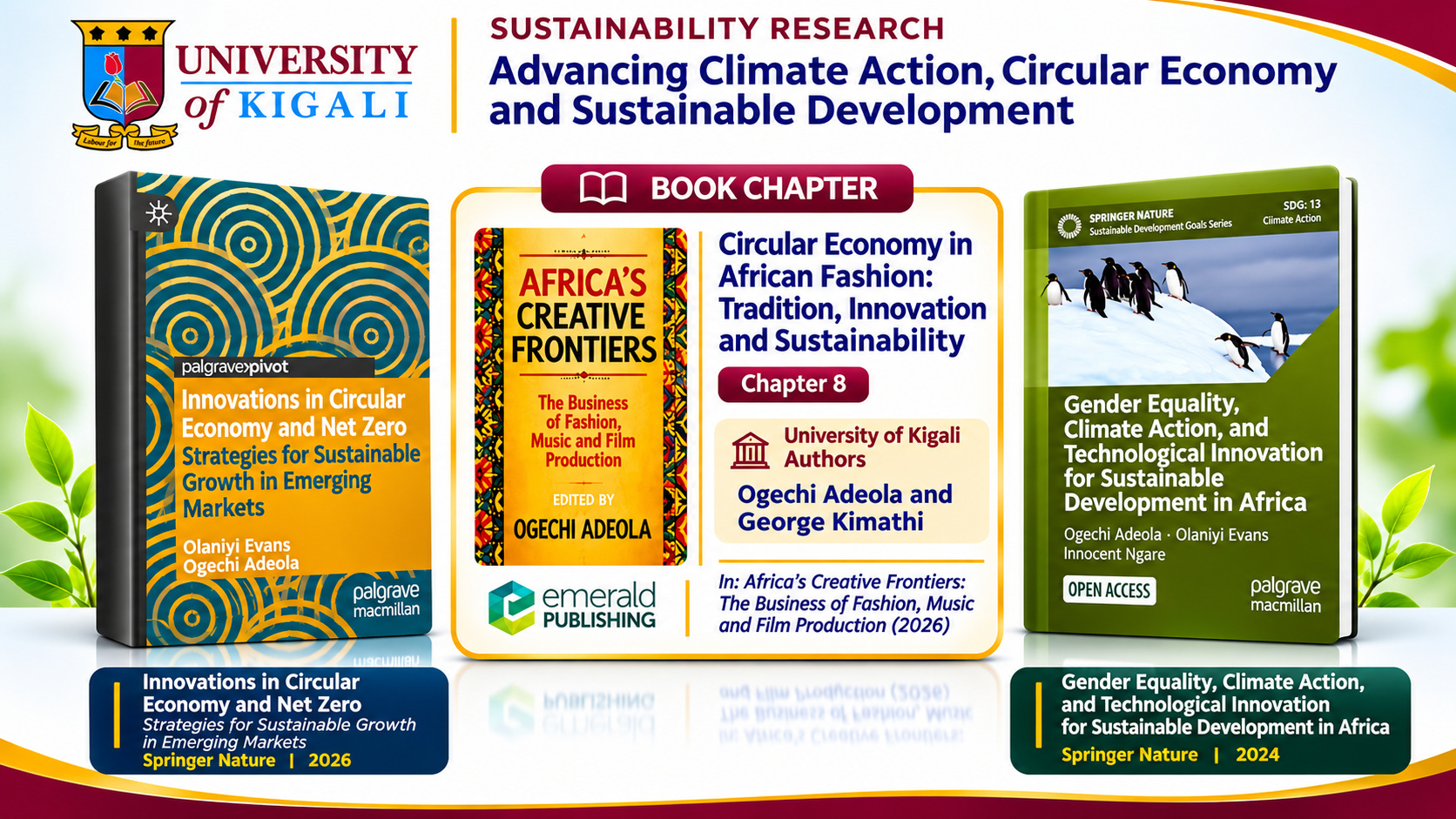
The University of Kigali (UoK) continues to strengthen its contribution to sustainability research through scholarly publications addressing climate change, circular economy transitions, technological innovation and inclusive development. Three publications by University scholars, developed in collaboration with international researchers and published by Springer Nature and Emerald Publishing, offer insights into pressing environmental and socioeconomic challenges facing Africa and other emerging economies.
The publications feature contributions from Professor Ogechi Adeola, Deputy Vice-Chancellor for Research, Innovation and Enterprise, and Professor George Kimathi, Vice-Chancellor of the University of Kigali, alongside international academic collaborators. Together, they demonstrate the University’s engagement in research that connects environmental sustainability, economic transformation, and policy development.
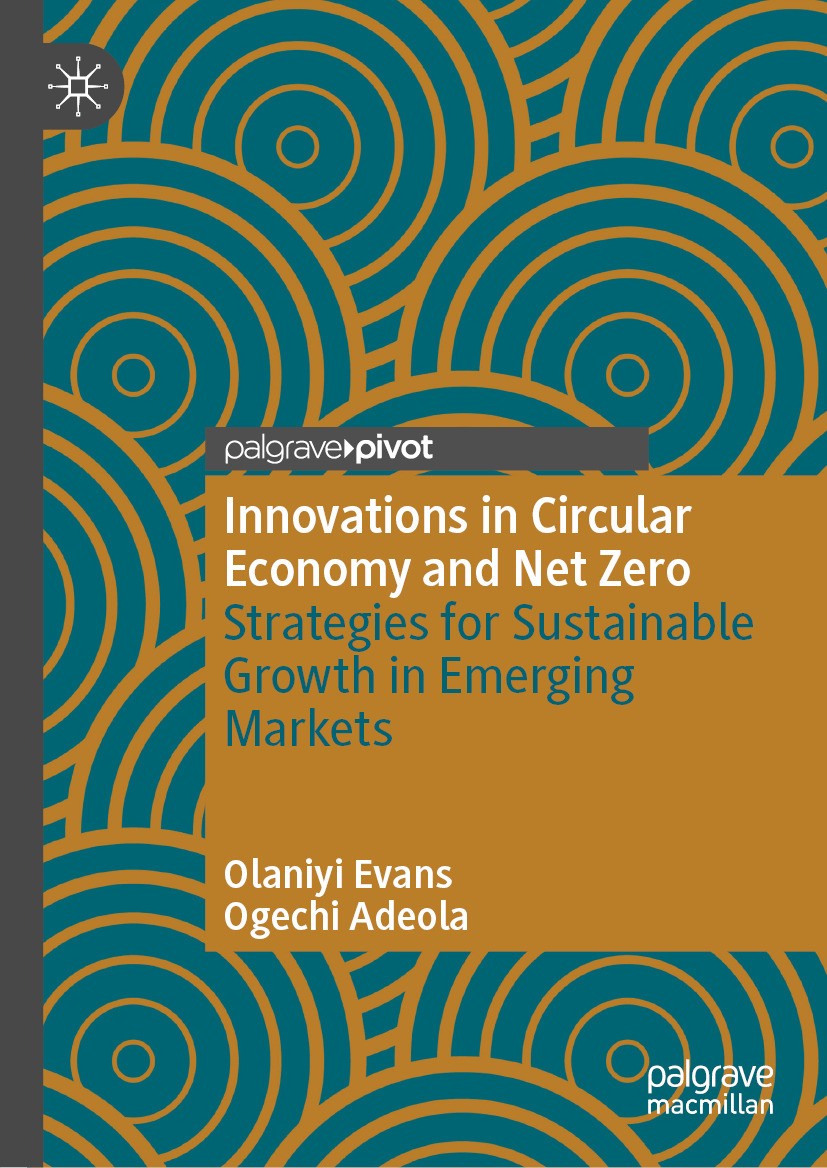
A recent contribution is the 2026 Springer Nature book, Innovations in Circular Economy and Net Zero: Strategies for Sustainable Growth in Emerging Markets, co-authored by Professor Ogechi Adeola and Dr Olaniyi Evans of Pan-Atlantic University, Nigeria. The book examines how circular economy principles and net-zero strategies can support sustainable economic growth, particularly in Sub-Saharan Africa, Southeast Asia and Latin America.
Drawing on perspectives from digital technologies, corporate strategy, green finance and public policy, the publication explores practical pathways for reducing environmental impact while promoting economic development. It addresses sustainability transitions across sectors including food systems, urban development and corporate operations, offering recommendations for policymakers, businesses and development practitioners.
The research contributes to discussions surrounding Sustainable Development Goal (SDG) 9 on Industry, Innovation and Infrastructure, SDG 12 on Responsible Consumption and Production, and SDG 13 on Climate Action.
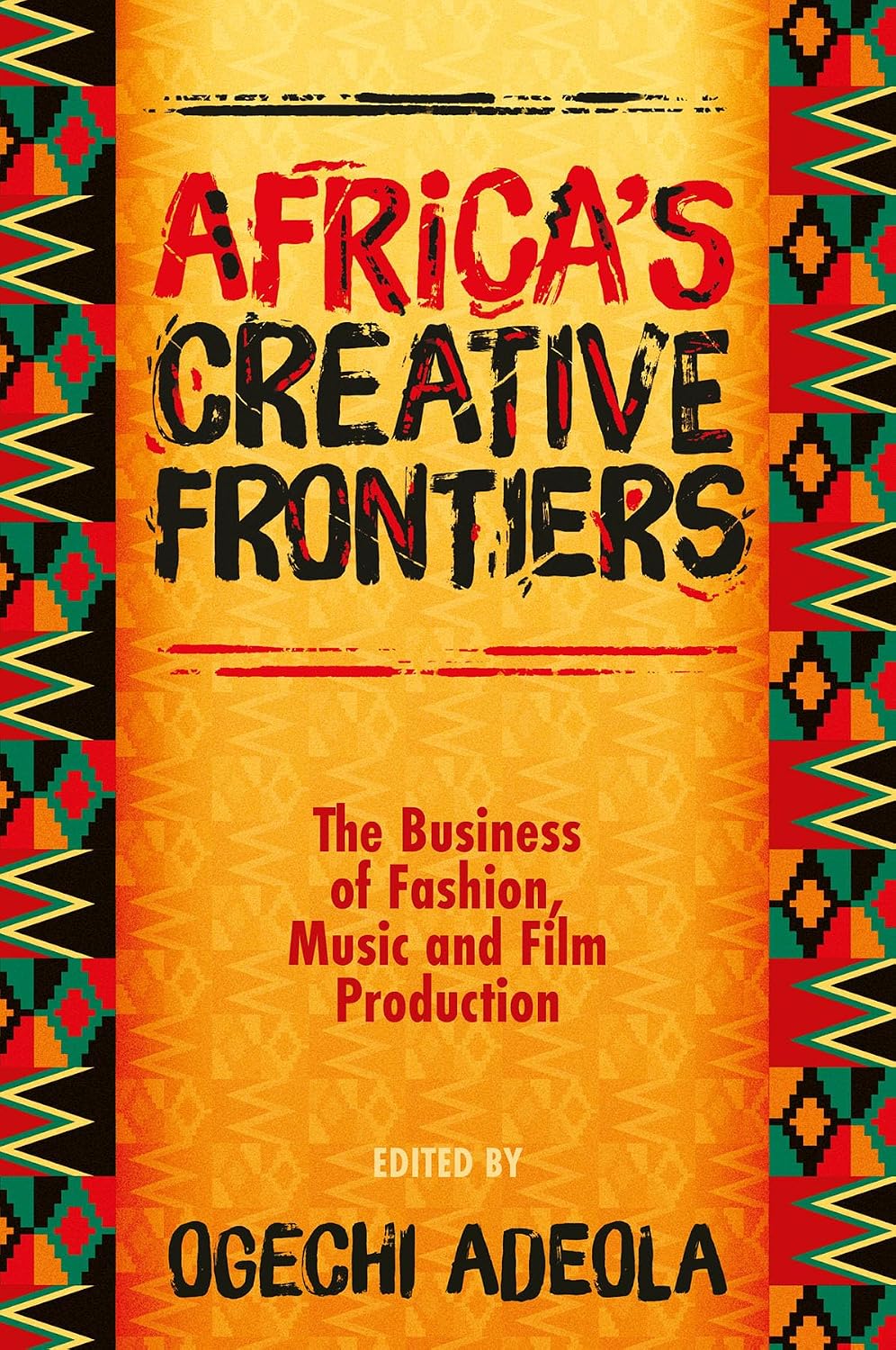
Another contribution is the chapter Circular Economy in African Fashion: Tradition, Innovation, and Sustainability, published in 2026 by Emerald Publishing in the edited volume Africa’s Creative Frontiers: The Business of Fashion, Music and Film Production. The chapter was co-authored by Professor Ogechi Adeola and Professor George Kimathi of the University of Kigali, alongside Dr Deogratias Bugandwa Mungu Akonkwa of Université de Goma, Dr Emmanuel Mogaji of Keele University, and Dr Olaniyi Evans of Pan-Atlantic University.
The chapter examines how Africa’s fashion industry can transition towards more sustainable production and consumption practices through approaches such as upcycling, garment repair, remanufacturing and circular supply chains. It highlights the importance of indigenous knowledge and existing resource-reuse practices while identifying challenges relating to financing, consumer behaviour and policy support.
By connecting traditional practices with contemporary sustainability strategies, the research offers perspectives on how African fashion enterprises can reduce waste, improve resource efficiency and strengthen inclusive economic opportunities. Its findings are particularly relevant to SDG 12 on Responsible Consumption and Production, alongside broader goals relating to innovation and sustainable economic growth.
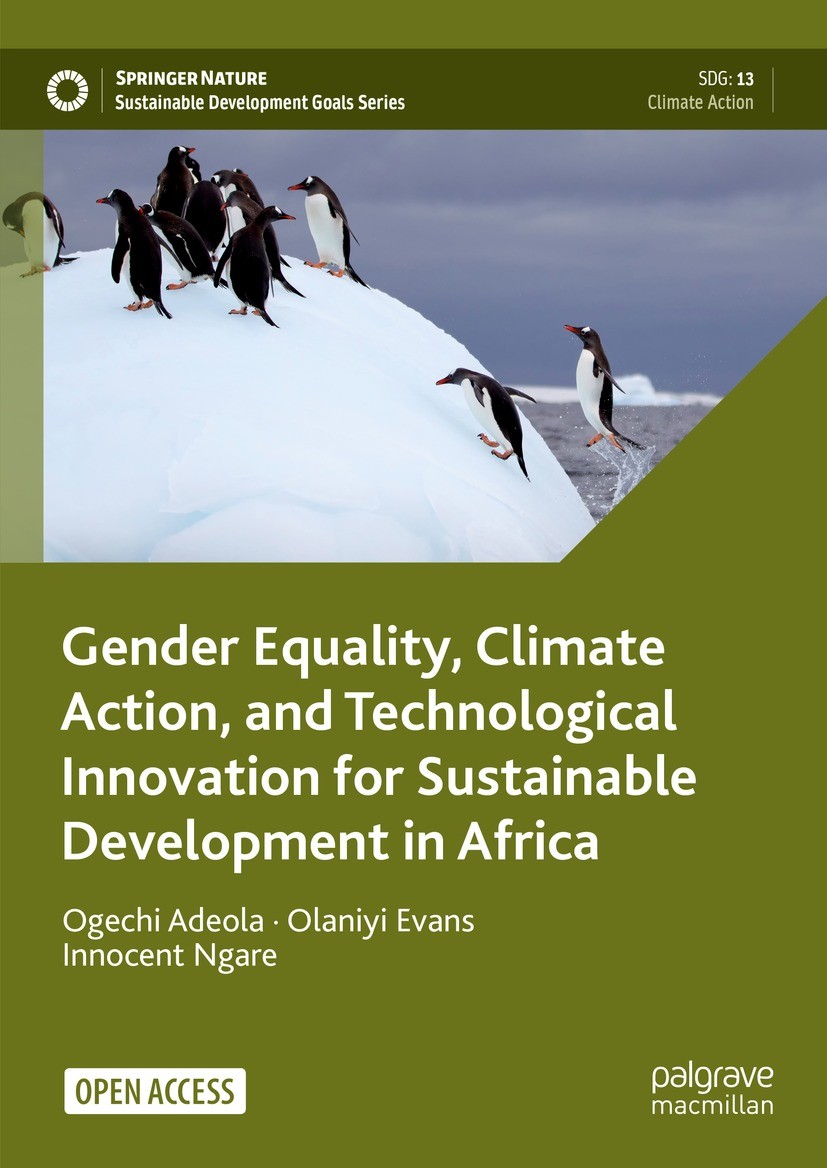
Complementing these publications is the 2024 open-access book, Gender Equality, Climate Action, and Technological Innovation for Sustainable Development in Africa, authored by Professor Ogechi Adeola, Dr Olaniyi Evans and Dr Innocent Ngare, and published by Springer Nature.
The book examines the intersection of climate change, gender inequality and technological innovation, with particular attention to the disproportionate effects of environmental challenges on women and girls in Africa. It explores the potential of climate-smart technologies, digital innovation, indigenous knowledge and inclusive policies to strengthen women’s participation in climate adaptation and mitigation.
The publication also highlights the importance of empowering women as active contributors to environmental solutions, rather than viewing them solely as vulnerable populations. Its recommendations offer insights for governments, development organisations, researchers and practitioners working to advance gender-responsive climate action.
As an open-access publication, the book is freely available to readers worldwide, supporting broader access to sustainability research and knowledge. Its contribution is closely aligned with SDG 5 on Gender Equality and SDG 13 on Climate Action.
Collectively, these publications demonstrate the value of interdisciplinary and international research collaboration in addressing sustainability challenges. They connect environmental concerns with questions of social inclusion, technological innovation, entrepreneurship, resource efficiency and economic development, while offering perspectives grounded in African and emerging-market realities.
The scholarly contributions also reflect the University of Kigali’s commitment to research and innovation excellence, the Green University Ambition and strategic internationalisation, as articulated in its 2025–2029 Strategic Plan.
Through research collaborations and international scholarly publications, the University continues to contribute to knowledge development, policy dialogue and the search for practical solutions that support a more inclusive, resilient and sustainable future.
Featured Publications
1. Innovations in Circular Economy and Net Zero: Strategies for Sustainable Growth in Emerging Markets (Springer Nature, 2026)
https://doi.org/10.1007/978-3-032-22094-3
2. Circular Economy in African Fashion: Tradition, Innovation, and Sustainability (Emerald Publishing, 2026)
https://doi.org/10.1108/978-1-80592-781-520261008
3. Gender Equality, Climate Action, and Technological Innovation for Sustainable Development in Africa (Springer Nature, 2024)
https://doi.org/10.1007/978-3-031-40124-4
