The 2026 to 2029 programme will widen international mobility opportunities for students and staff in computing, business and education.
The University of Kigali has secured a new Erasmus+ exchange programme with the University of Ostrava in the Czech Republic for the 2026–2029 period, opening further international learning and professional-development opportunities for students and staff.
The successful application will benefit the School of Computing and Information Technology (SCIT), the School of Business Management and Economics (SBME), and the School of Education (SOE). By bringing three schools into one mobility framework, the programme connects digital skills, enterprise and teaching—three areas that are central to Rwanda’s development priorities.
From a school initiative to a university opportunity
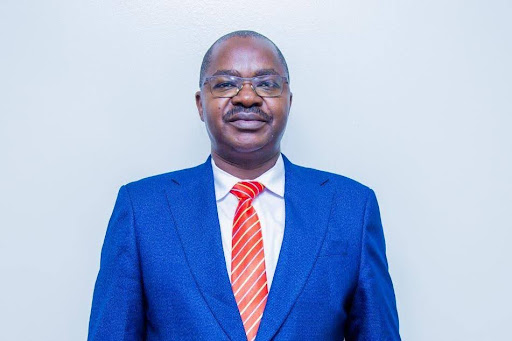
Dr Musoni Wilson, Dean of SCIT, played a leading role in preparing and advancing the application. Importantly, he supported an approach that extended the opportunity beyond SCIT and incorporated SBME and SOE. This widened the potential reach of the programme and positioned the partnership as an institutional initiative rather than an activity serving only one academic unit.
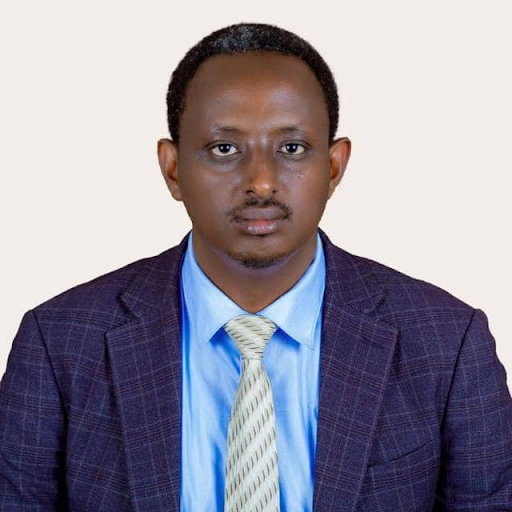
Vice Chancellor Professor George Kimathi provided the strategic direction and executive support required to move the application forward. His leadership reinforced the University’s focus on international partnerships that improve teaching, research, staff development and the student experience.
The approval builds on the relationship between the University of Kigali and the University of Ostrava and gives both institutions a platform for sustained cooperation during the four-year programme cycle.
What the programme means for students and staff
Subject to annual calls, available placements and the applicable selection criteria, eligible students and staff will be able to compete for Erasmus+ mobility opportunities during the 2026–2029 period. The University will communicate application procedures, timelines and eligibility requirements through its official channels.
For students, international mobility can provide exposure to new learning environments, teaching approaches and cultures. It can also strengthen independence, communication, adaptability and professional networks. These capabilities are increasingly important to graduates entering regional and global employment markets.
For academic and administrative staff, the programme can support teaching exchanges, professional training, curriculum dialogue, research networking and the sharing of institutional practices. Staff who participate will be encouraged to transfer their learning to colleagues and students at UoK through seminars, classroom activities and collaborative initiatives.
Three schools with complementary strengths
SCIT will be positioned to deepen engagement in digital transformation, artificial intelligence, data science, cybersecurity, software development and technology-enabled learning. The exchange will complement the School’s work to align computing education with emerging technologies and industry requirements.
SBME will gain an avenue for engagement in entrepreneurship, management, economics, innovation and contemporary business practice. Its participation can help connect technological innovation with enterprise development, responsible leadership and the commercialisation of ideas.
SOE will be able to engage around teaching practice, curriculum development, educational leadership, digital pedagogy and inclusive learning. Knowledge gained through staff and student exchanges can contribute to the preparation of educators who are ready to work in increasingly technology-supported learning environments.
The participation of all three schools creates possibilities for interdisciplinary activity. Future collaboration may include joint research, guest lectures, academic workshops, innovation challenges and student projects at the intersection of technology, business and education.
A transparent and inclusive selection process
Mobility opportunities will not be automatic. Applicants will be assessed in accordance with Erasmus+ requirements, academic relevance, merit and the number of placements available in each call. UoK will provide official guidance before each selection round so that interested students and staff understand the requirements and deadlines.
Leadership that widened access
The achievement illustrates the value of leadership that looks beyond individual departments. Dr Musoni’s contribution was especially important in broadening the proposed beneficiaries to include colleagues and students from other schools. His role helped turn an initial SCIT-led effort into a wider university opportunity.
Professor Kimathi’s support provided the institutional backing needed to align the application with UoK’s wider internationalisation agenda. Together, academic initiative and executive leadership enabled the University to present a multidisciplinary programme with benefits across computing, business and education.
Turning mobility into institutional impact
The value of the programme will be measured not only by the number of participants who travel, but also by how their experience improves learning and institutional practice after they return. UoK plans to encourage knowledge-sharing through presentations, mentorship, curriculum discussions and collaborative projects.
The partnership can also create opportunities for longer-term cooperation in research, curriculum improvement and innovation. Regular academic engagement between the two universities will help identify common interests and develop activities that can continue beyond individual mobility visits.
For Rwanda, international academic exchanges contribute to the development of graduates and institutions that can respond to changing technological, educational and economic needs. They also strengthen the visibility of Rwandan higher education and create professional networks that support future collaboration.
The next steps
With the programme approved for 2026–2029, UoK will now move to implementation. Official calls will provide details on eligible categories, selection criteria, documentation, mobility periods and the number of available places. Students and staff are advised to rely on announcements issued through the University’s authorised communication channels.
The University of Kigali recognises the contributions of all colleagues and partners involved in the successful application. Special recognition is accorded to Dr Musoni Wilson for leading the application process and promoting the inclusion of SBME and SOE, and to Vice Chancellor Professor George Kimathi for his strategic leadership and institutional support.
The new Erasmus+ programme marks a practical step in UoK’s effort to give its academic community greater international exposure while ensuring that knowledge gained abroad produces measurable value in Rwanda.