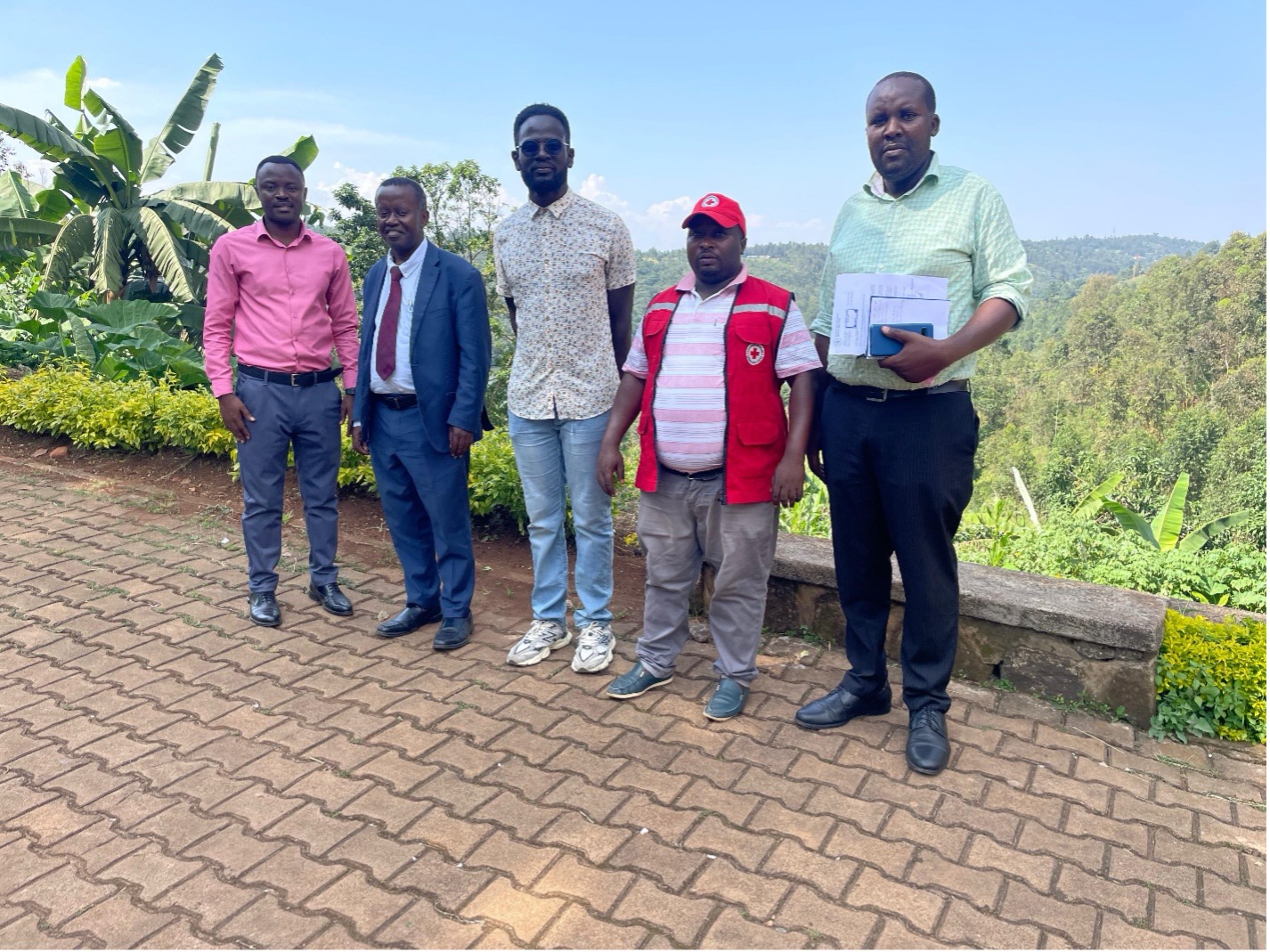
The University of Kigali (UoK) has officially embarked on a Circular Economy – Waste Analysis and Characterization Study in Rusizi and Nyamasheke Districts in collaboration with University of Lay Adventists of Kigali (UNILAK) funded by European Union through Spanish Red Cross and Rwanda Red Cross Society. The Waste Analysis and Characterization Study which is part of a three-year Circular Economy project is aimed at strengthening environmental protection, improving public health, and building inclusive waste-based markets across the South Kivu region.
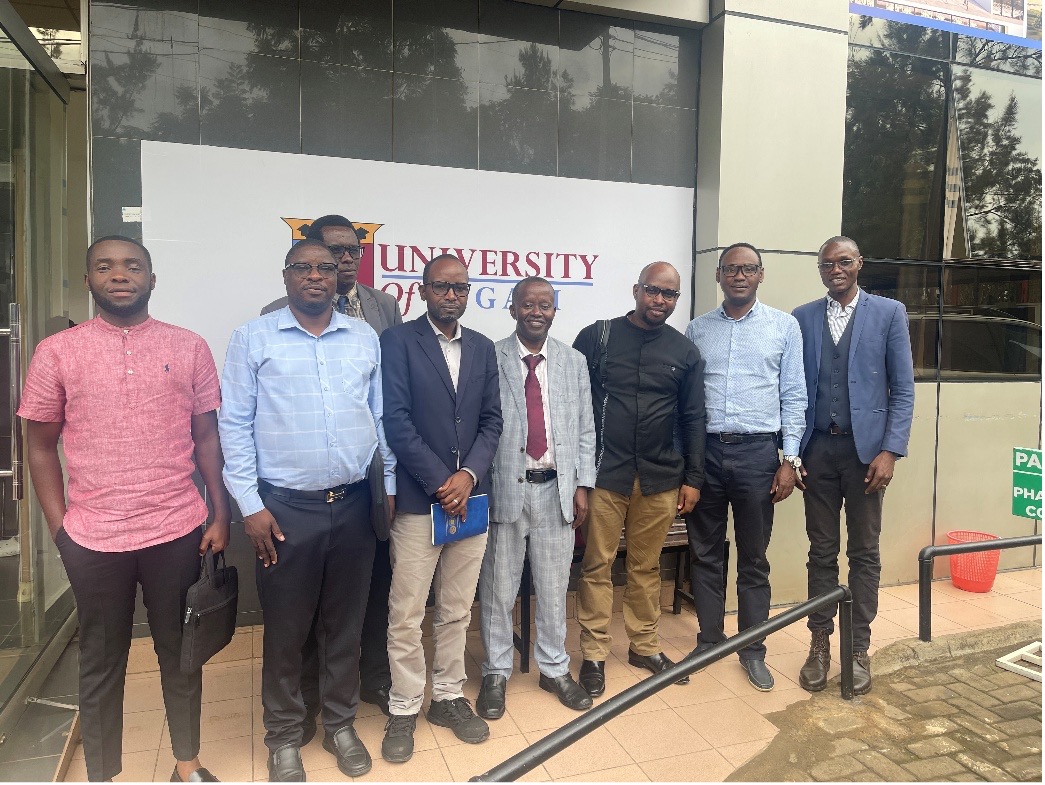
University of Kigali Embarks on Circular Economy Initiatives
Speaking at the project launch, Dr Ronald Kwena, the Associate Deputy Vice Chancellor Research, Innovation and Enterprise, University of Kigali and the Lead Researcher for the Waste Analysis and Characterization Study emphasized that the initiative responds to the twin challenges of environmental degradation and unemployment, while unlocking economic value from waste streams. “This project is not only about cleaning our cities and protecting ecosystems; it is about transforming waste into wealth, creating jobs, improving health outcomes, and embedding circular economy principles into local development,” said a senior UoK official.
The Project forms part of UoK’s Green Ambition Strategy and its growing regional leadership in sustainability, climate resilience, and circular economy innovation. The project is designed to support both informal and formal waste collectors, local authorities, cooperatives, and private sector actors by creating an integrated and inclusive waste management and resource recovery system.
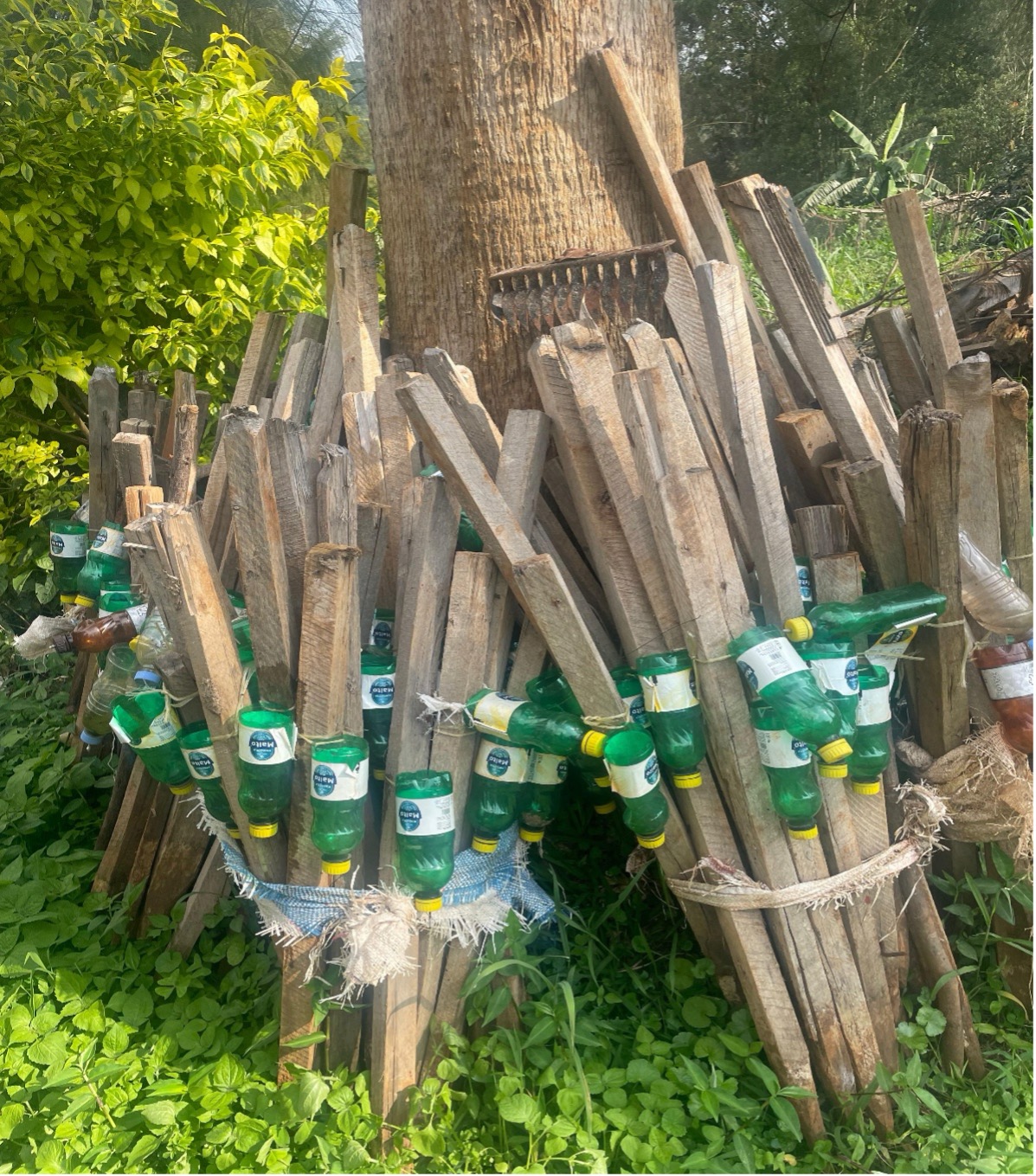
Beyond operational improvements, the Study will serve as a living laboratory for research, innovation, and capacity building in circular economy and sustainable urban systems. UoK students and researchers in environmental science, engineering, business, supply chain management, and public policy will actively participate in field studies, data analytics, and solution design.
By integrating academic excellence with community-based action, the University of Kigali aims to position Rusizi and Nyamasheke as regional models for inclusive, climate-smart, and economically viable waste management systems in the Great Lakes Region.
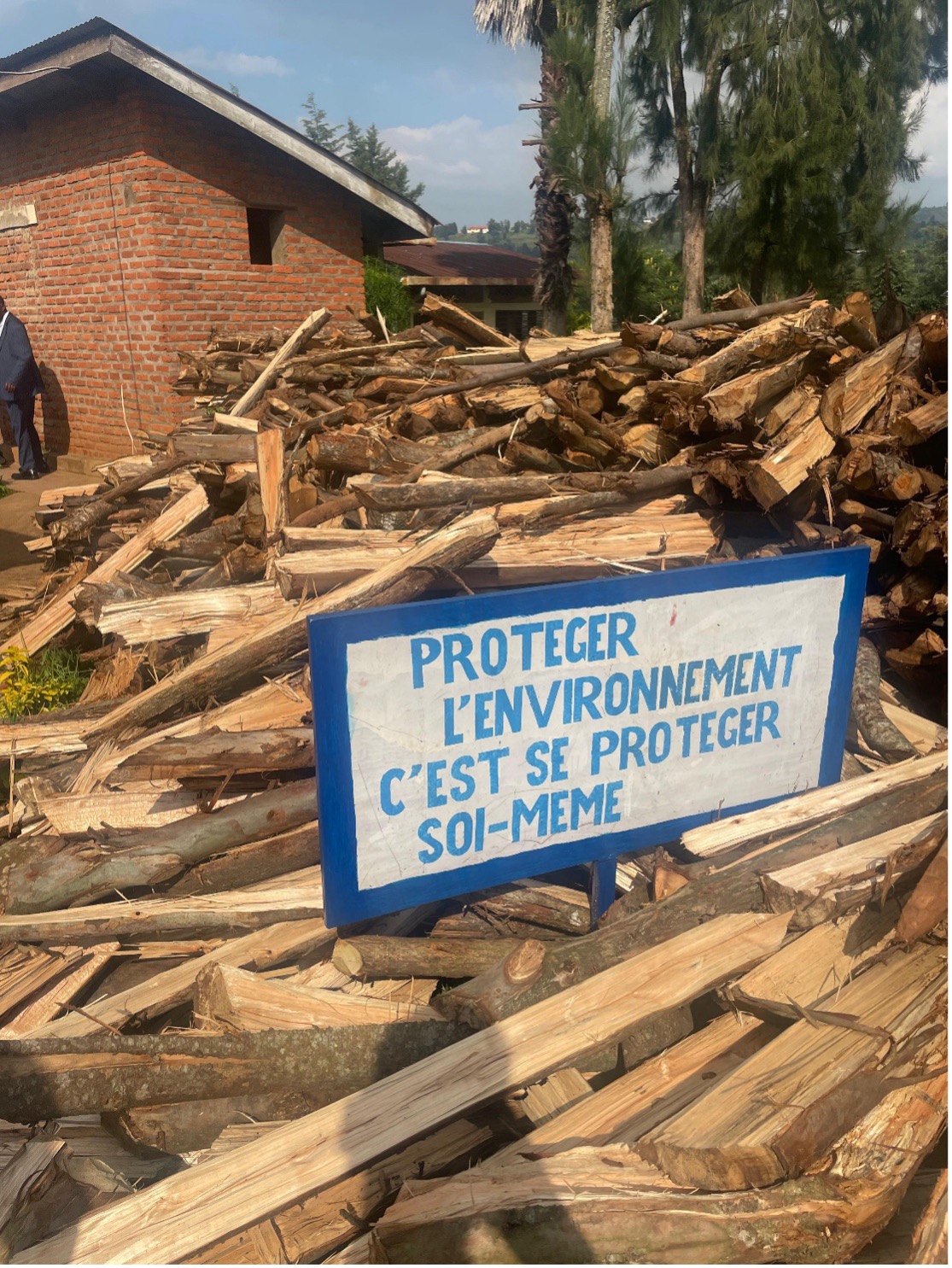
The initiative is expected to contribute directly to Rwanda’s Green Growth and Climate Resilience Strategy, the Sustainable Development Goals (SDGs), and regional efforts to build resilient, circular, and low-carbon economies.