The University of Kigali (UoK) is steadily redefining its research and innovation landscape. Strategic investment, deliberate institutional reforms, and expanding industry partnerships are translating into measurable growth in research productivity, enterprise engagement, and postgraduate capacity. What was once an emerging research portfolio is now evolving into a structured, impact-oriented ecosystem anchored in Research, Innovation and Enterprise (RIE).
The strengthening of the Research, Innovation and Enterprise function marked a strategic shift for UoK,” they noted. “It allowed us to move from fragmented research activities to a coordinated, performance-driven system aligned with national development priorities.
This structural strengthening has yielded visible results. Research output has grown consistently, supported by improved internal review systems, clearer publication incentives, and strengthened postgraduate supervision structures. Faculties in Business and Economics, Computing, Law, Education, and Health Sciences are contributing to a rising volume of peer-reviewed publications, policy briefs, and applied research outputs aligned with Rwanda’s transformation agenda.
Behind this progress is a fit-for-purpose Research, Innovation and Enterprise Unit tasked with research capacity development, grant mobilisation, ethics oversight, intellectual property management, and industry linkages. Over the past three years, the unit has institutionalised research guidelines, streamlined proposal development support, enhanced postgraduate dissertation monitoring systems, and introduced structured research seminars to cultivate a vibrant academic culture.
Academic depth has simultaneously expanded. The proportion of permanent academic staff holding doctoral qualifications continues to rise, strengthening supervision capacity and enhancing the quality of postgraduate training. This deliberate investment in academic qualifications directly supports timely completion rates and improves the research experience of Master’s and emerging doctoral candidates. As the leadership emphasises, “strong supervision capacity is central to student success and institutional credibility.”
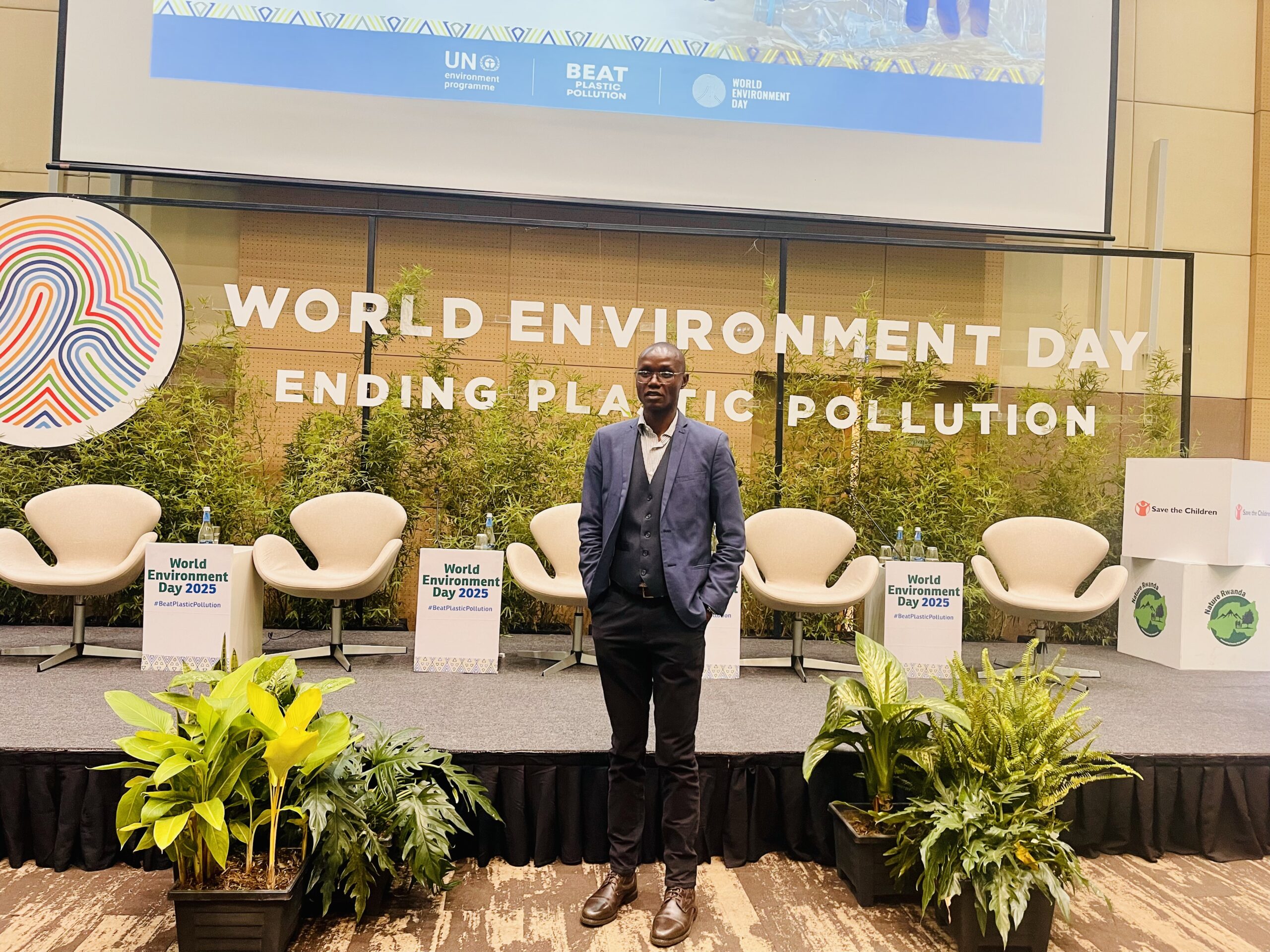
Funding diversification has also become a defining feature of UoK’s growth. The University has broadened its engagement beyond traditional tuition-based financing to include private-sector partnerships, climate finance collaboration, logistics sector engagement, and applied research contracts. Partnerships in plastic recycling, waste management analysis in Rusizi, sustainable agriculture innovations, electric mobility research collaboration, and climate-focused conferences demonstrate the University’s ability to translate academic knowledge into real-world solutions.
In particular, UoK’s positioning as both a Green University and a Financial University reflects its commitment to linking sustainability, enterprise, and applied research. The proposed Climate Action and Sustainable Development Innovation Research Centre further exemplifies this ambition by integrating climate research, youth entrepreneurship, ESG compliance capacity building, and green finance pipeline development.
The University’s logistics and supply chain management ecosystem has also gained momentum. Through industry partnerships and the Centre for Applied Logistics and Supply Chain Management, students engage in practical learning models that connect theory to warehouses, transport corridors, and e-commerce systems. This integration of applied learning with research strengthens graduate employability while deepening industry trust.
Institutional governance frameworks have matured alongside these developments. Since 2022, updated policies have been introduced to govern research ethics, intellectual property, research rewards, data management, and research centre operations. Ethical review processes have been stabilised and formalised, ensuring that all research activities meet national and international standards.
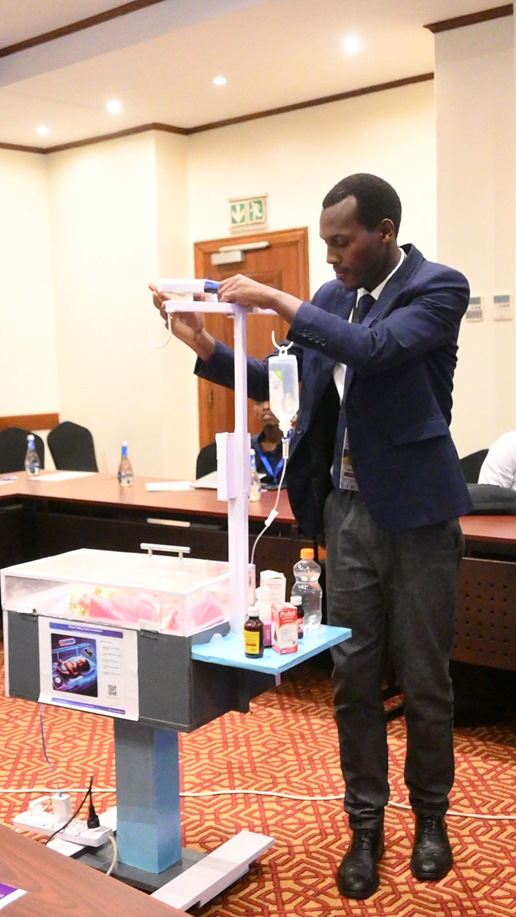
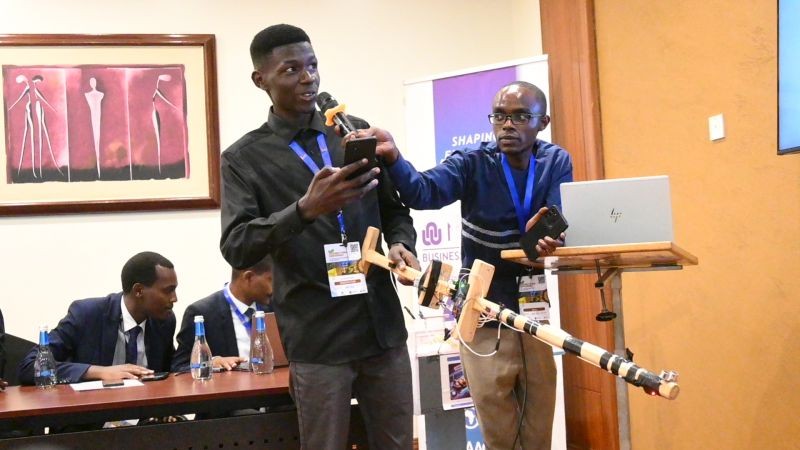
Innovation and commercialisation pathways are equally strengthening. The University is progressively building mechanisms to protect intellectual property, support prototype development, and explore patent registration opportunities. Enterprise incubation efforts within logistics, circular economy, agri-processing, and digital innovation are beginning to generate revenue streams that reinforce institutional sustainability.
Digital transformation has added further efficiency to the research lifecycle. Online research tracking systems, digital dissertation submission platforms, and electronic ethics clearance processes are shortening turnaround times and enhancing transparency in research management.
Taken together, these milestones represent more than incremental improvement. They reflect an institution intentionally building a research culture anchored in accountability, partnership, and national relevance. The trajectory demonstrates that UoK is transitioning from a primarily teaching-focused institution into a dynamic, innovation-oriented university that contributes directly to Rwanda’s economic transformation.
As the leadership affirms, “The University of Kigali is not merely expanding its research footprint; it is strategically positioning itself as a hub for applied research, enterprise development, and sustainable innovation. Our focus is measurable impact, strengthened governance, and research that responds to national and regional priorities.”
With growing academic depth, expanding partnerships, and structured research governance, the University of Kigali is advancing confidently toward its goal of becoming a recognised centre of excellence in research, innovation, and enterprise in the region.