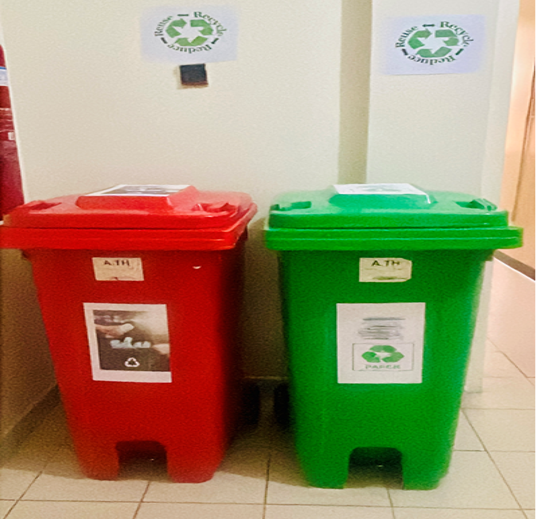
The University of Kigali (UoK) has officially launched a bold initiative to combat plastic pollution and promote circular economy practices in Rwanda, positioning itself as a leading academic institution in environmental sustainability and innovation. The project also has a paper recycling component. The launch, which coincides with the university’s broader ambition to become Rwanda’s first Green University, marks a significant step toward integrating sustainability into higher education, research, and community engagement.
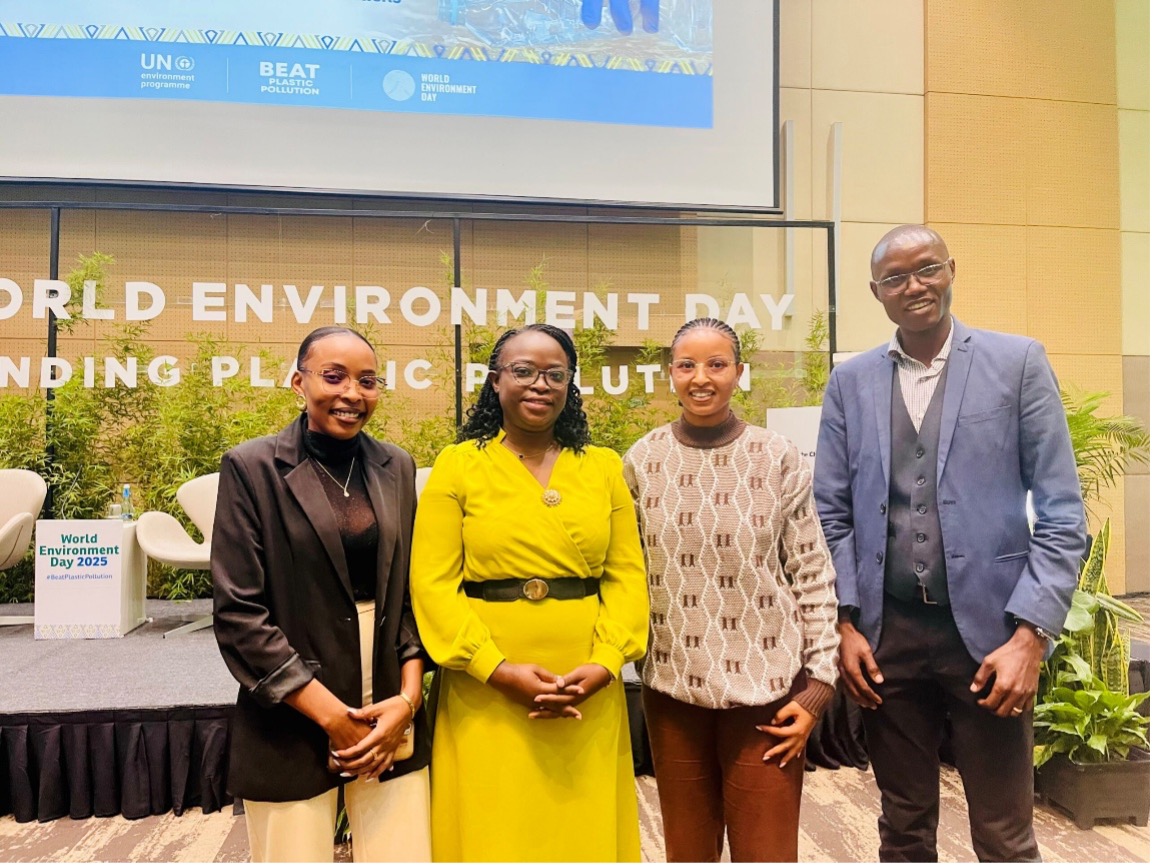
During the 2025 World Environment Day celebrations, UoK’s leadership reaffirmed its commitment to environmental responsibility by participating in a high-level dialogue on ending plastic pollution. Dr. Ronald Kwena, Associate Deputy Vice Chancellor for Research, Innovation, and Enterprise, led the university delegation and underscored the importance of research-driven solutions to plastic waste challenges.
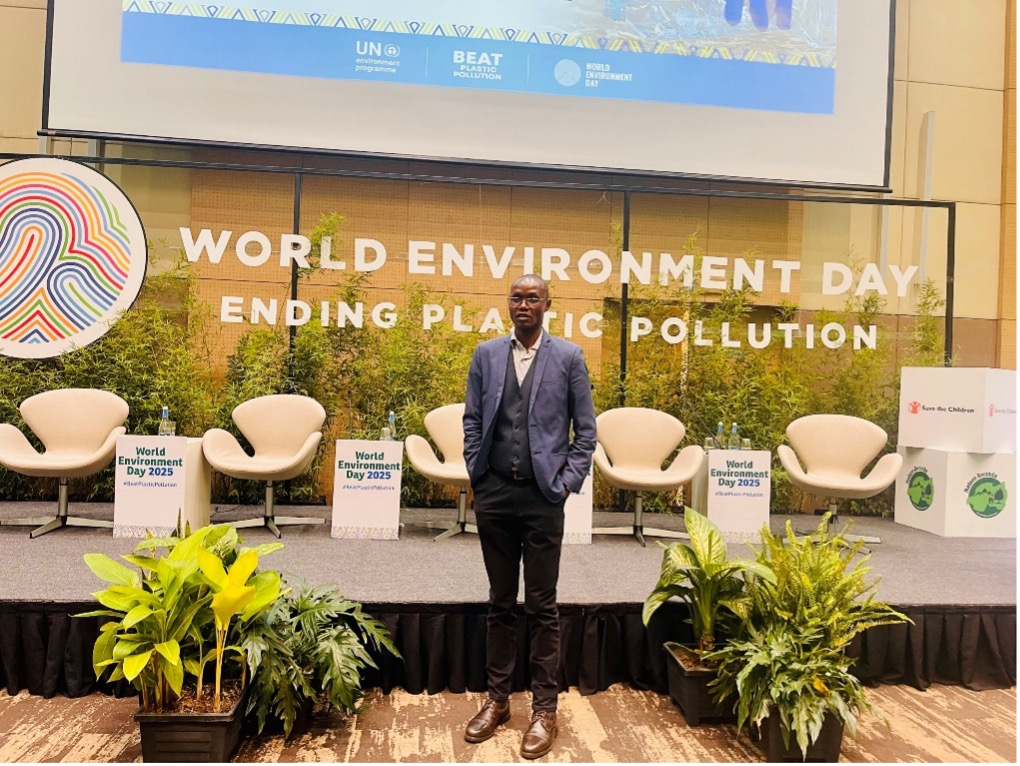
“Plastic pollution is not just an environmental issue, it’s a development challenge. As a university, we are committed to equipping our students and researchers with the tools and knowledge to lead Rwanda’s circular transition,” said Dr. Kwena.
The University of Kigali’s initiative complements the Government of Rwanda’s recently launched National Circular Economy Action Plan and Roadmap, which outlines strategic interventions for achieving a carbon-neutral, resource-efficient economy by 2050. Rwanda’s broader waste-to-resource strategy includes increasing the recovery rate of organic and plastic waste and promoting green job creation in the recycling sector.
The university’s plastic and paper recycling project is part of a larger institutional transformation. Plans are underway to construct a state-of-the-art Green Campus in Kimihurura, Kigali, which will incorporate eco-friendly buildings, solar energy, and sustainable water management systems.
Furthermore, UoK’s Directorate of Research and Innovation is integrating circular economy themes into teaching and research, particularly through the new Centre for Applied Logistics and Supply Chain Management, which addresses sustainability in manufacturing and distribution.
The university will also roll out student-led recycling workshops, community clean-up campaigns, and academic competitions to design innovative plastic reuse solutions. These efforts aim to foster environmental awareness and practical skills among young Rwandans.
“Our students are passionate about making a difference,” said a student leader from the Environmental Club. “This program gives us the opportunity to not only study sustainability but to live it.”
As Rwanda pushes toward becoming a zero-waste society by 2035, the University of Kigali is positioning itself at the forefront of research, education, and civic engagement in support of the circular economy.
With the launch of this initiative, UoK joins a growing movement of institutions transforming Africa’s waste challenges into opportunities for innovation, employment, and sustainable development.