
Researchers from the University of Kigali have secured funding to advance research in Logistics and Supply Chain Management, marking a significant step toward evidence-based solutions for economic development in Africa. The funding, awarded under LEARN Logistics by Kühne Foundation, Germany Memorandum of Understanding (MoU) advances Logistics and Supply Chain Management capacity. This funding highlights the growing research capacity of the University of Kigali and its commitment to addressing critical development challenges through applied, policy-relevant Research.
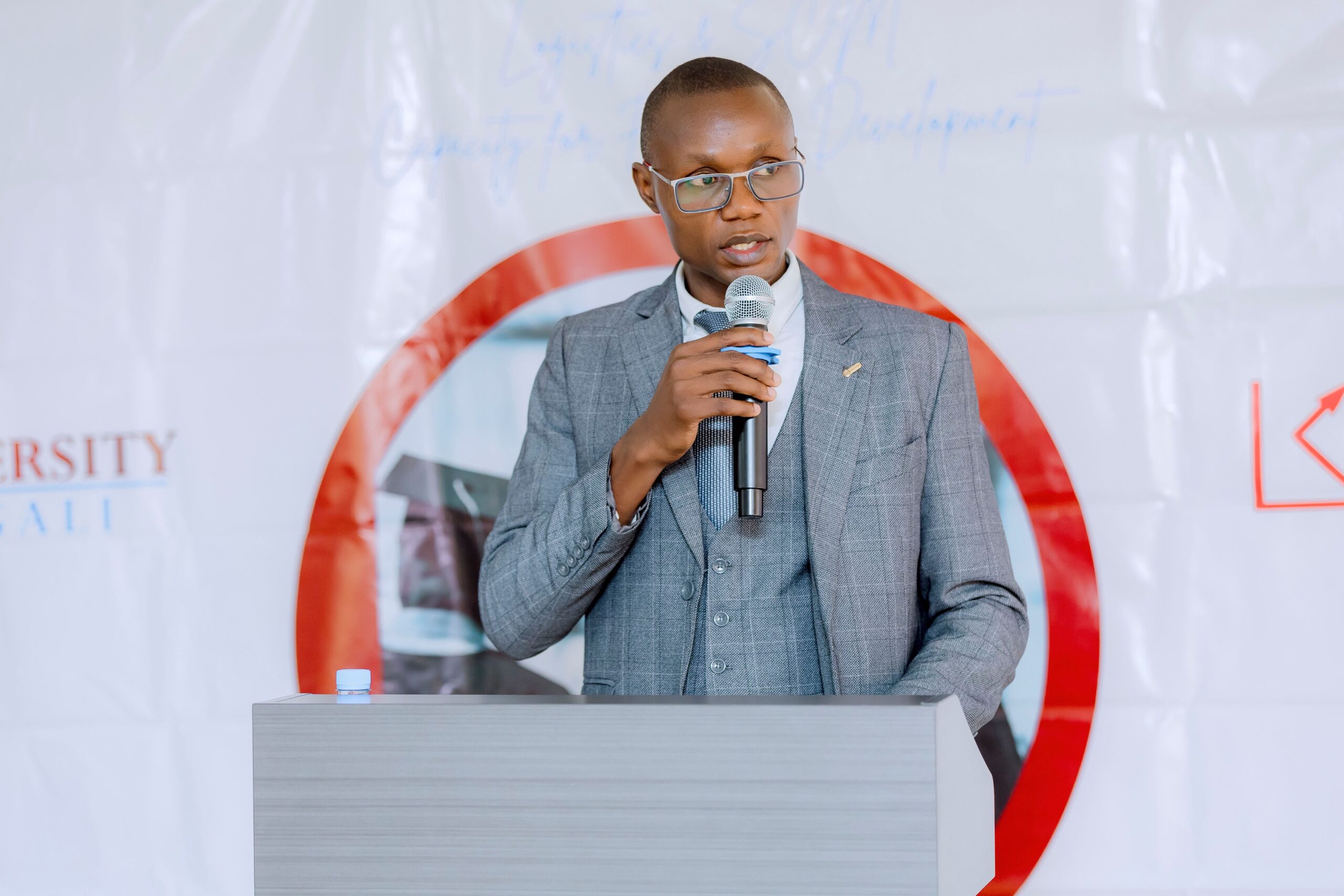
Leading the Research are Dr Ronald Kwena and Dr Joseph Akumuntu, who will undertake a project titled Design and Evaluation of an Integrated Urban Waste Logistics Model. Their research focuses on optimizing waste collection, transportation, and disposal systems within rapidly urbanizing environments. By integrating data-driven route optimization, stakeholder coordination, and sustainable waste management practices, the project aims to improve operational efficiency while reducing environmental impact. The findings are expected to inform municipal waste management strategies and contribute to cleaner, more resilient urban systems.
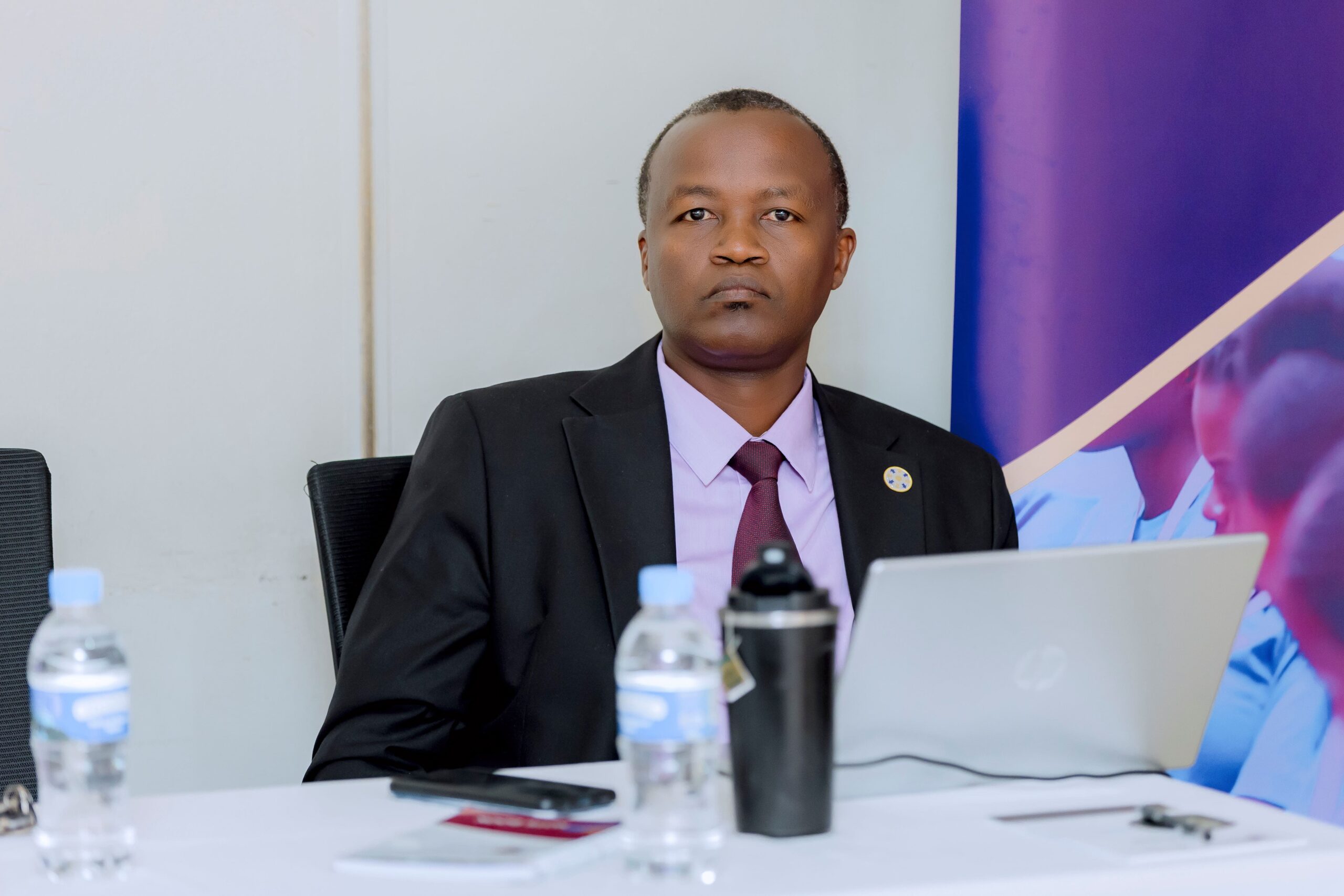
Complementing this work, Dr Martin Gachukia will lead a study on Assessing the Effects of Non-Tariff Barriers on Cross-Border Supply Chain Efficiency under the AfCFTA Framework. This research examines how regulatory, administrative, and procedural barriers affect the movement of goods across African borders, particularly in the context of the African Continental Free Trade Area. By identifying bottlenecks and quantifying their impact on trade efficiency, the study aims to provide actionable insights for policymakers, regional bodies, and private sector stakeholders seeking to enhance intra-African trade and economic integration
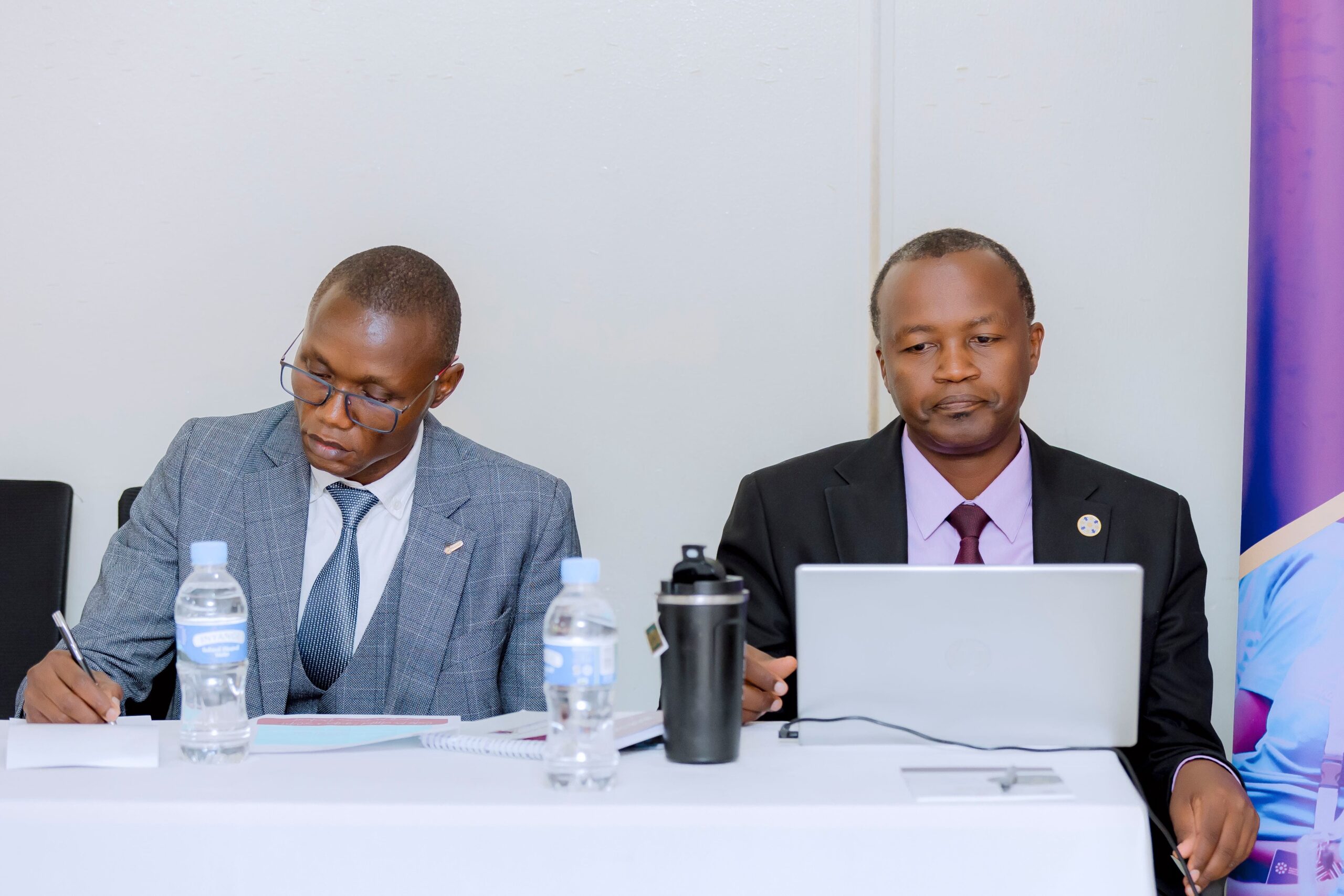
The LEARN Logistics programme offers not only financial support but also access to international expertise, collaborative networks, and capacity-building opportunities. Through this platform, the University of Kigali researchers will engage with global peers, exchange knowledge, and contribute to cutting-edge discussions in logistics innovation and supply chain resilience. The partnership underscores the strategic importance of logistics as a driver of economic transformation, particularly in emerging markets where infrastructure, policy alignment, and operational efficiency remain key challenges.
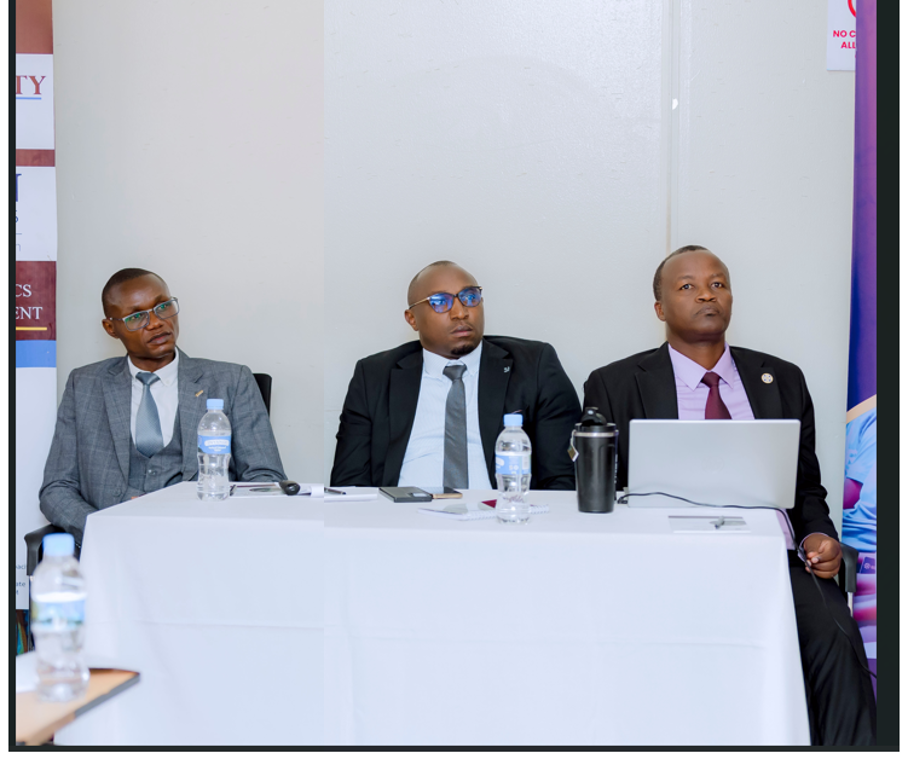
This funding success reinforces the University of Kigali’s role as a hub for impactful research in East Africa. By aligning academic inquiry with real-world challenges ranging from urban waste management to cross-border trade efficiency the institution continues to position itself at the forefront of research-driven solutions for sustainable development.